Drug development is predicated on the identification of therapeutic targets, typically proteins or nucleic acids, that play a causal role in a disease and are ‘druggable’, i.e., amenable to pharmacological action by the drug. The drug development process is generally long, risky, and costly and typically takes longer than 10 years from discovery to approval of a new drug.
Moreover, only a very small percentage of the many drug candidates under development each year make it to clinical trials and are approved by regulatory bodies. Identifying and isolating a therapeutic target and characterizing its properties and targeted interactions requires multiple processes and characterization techniques that contribute to long development timelines.
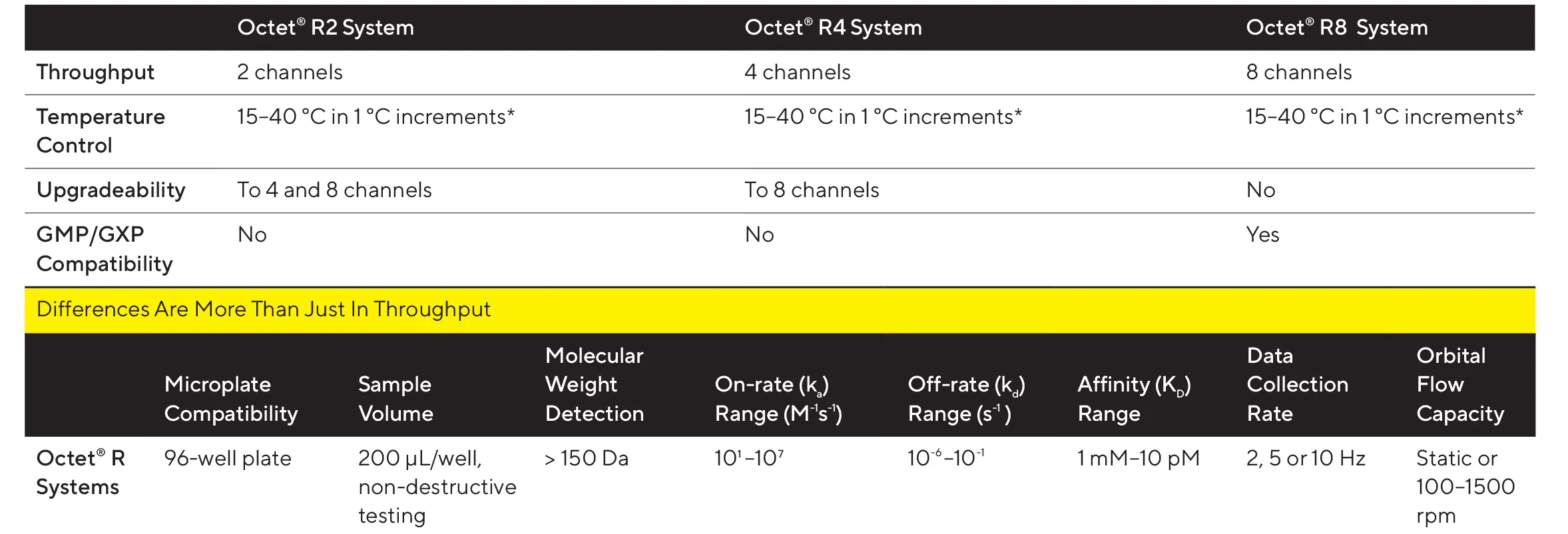
Modern label-free and plate-based analytical techniques such as BLI are designed for real-time analysis and high-throughput capabilities, which can significantly reduce the time to the discovery, streamlining the selection of optimal drug candidates with the best chances of success downstream.