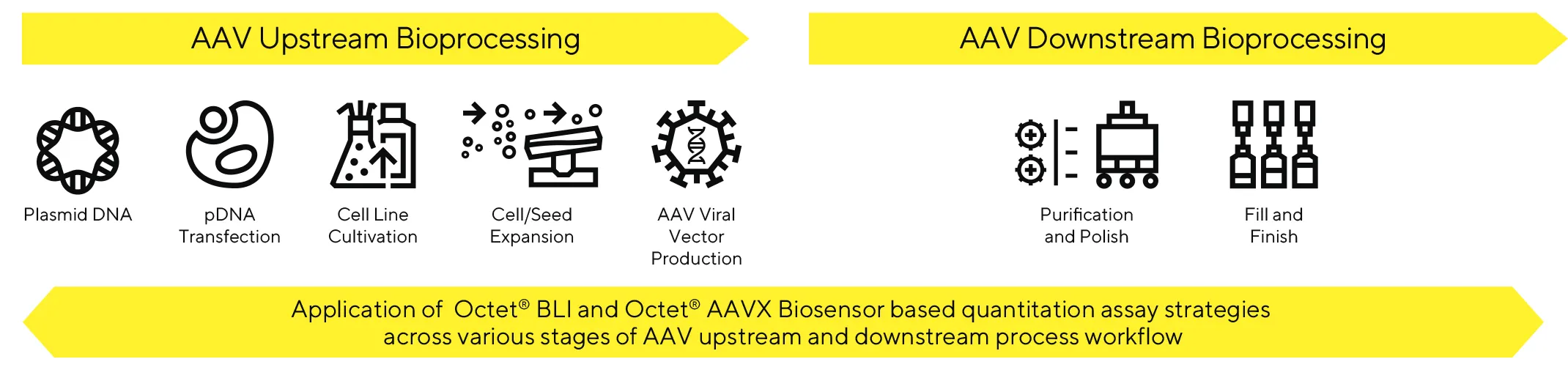
Considerable advancement in technology used in gene manipulation, editing and gene delivery has led to a rapid development of viable therapeutics based on gene therapy strategies. As of 2022, the FDA has approved eight gene therapy products for clinical use.1 Candidates for gene therapy include cancers, hematological conditions, ocular diseases, neuromuscular disease, immunodeficiencies and frequently, rare or inherited disorders.
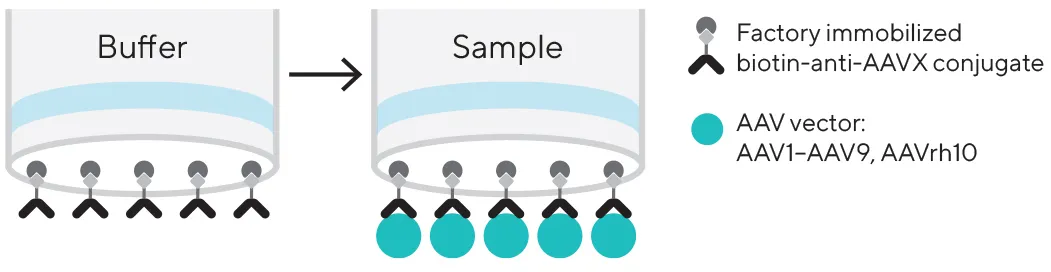
Key to the success of a gene therapy strategy is the development of an efficient process or method to deliver the gene product to the intended cell, tissue, or organ. Among the different viral vectors, the use of wild type and recombinant Adeno-associated viral (AAV and rAAV respectively) vectors has grown significantly. Production of AAV vectors at industrial scale requires the accurate measurement of the viral capsid concentration in both upstream and downstream AAV bioprocessing.