

What Is Pharmaceutical Logistics? Top 7 Pharmaceutical Logistics Challenges and Solutions
Introduction
Pharmaceutical logistics is an important part of the health system's ecosystem and ensures that drugs and medical products that are conscious of patients safely, effectively and on time. In the core, pharmaceutical logistics management includes planning, implementation and control of movement and storage of pharmaceutical goods in the supply chain. Given the sensitive nature of these products, it is necessary to maintain the integrity of the supply chain, from vaccines to life-saving medicines. A skilled pharmacy chain is not just about goods that go from point A to B; it is about preserving the quality of the product in accordance with strict rules and being adapted to market requirements. However, this area faces many challenges that can interfere with the spontaneous distribution of medication. This article examines the top 7 pharmaceutical logistics challenges and provides practical solutions to remove them.
What Is Pharmaceutical Logistics?

Pharmaceutical logistics is the strategy of managing the whole supply chain (flow) of pharmaceutical products, from the manufacture of the product until it reaches the end user (hospital, pharmacy, clinic, etc.). Pharmaceutical logistics has more strict compliance requirements than normal logistics and must not only meet temperature specifications but must also ensure product quality during transport due to regulations and security measures.
Keeping medication in a precise temperature variety (cold chain management) throughout transport and storage is important for temperature-sensitive medicine, consisting of many drugs, to control biologics or immune responses. In addition to temperature, extensive documentation, tamper-evident containers, and monitoring strategies throughout the manufacturing and transport technique are used to ensure transparency and traceability of the product and patient safety. In brief, pharmaceutical logistics is about retaining the method of protecting the drugs so that they're in excellent condition and efficacious when they reach the end user.
Top 7 Pharmaceutical Logistics Challenges & Solutions

Challenge: One of the most critical and complicated elements of pharmaceutical logistics is maintaining a stable cold chain. Temperature-sensitive drugs which includes vaccines and biologics need to be stored within narrowly described temperature stages. Any deviation can reduce drug efficacy or render them unusable. Ensuring temperature manage entails specialized refrigerated packing containers, continuous monitoring devices that offer real-time indicators, and trained personnel to manage those systems. Breakdowns in cold chain control chance no longer only product loss however also patient protection.
Solution: To maintain chain integrity, many organizations are adopting advanced technology consisting of IoT-enabled temperature sensors and automated monitoring structures. This equipment offers real-time information and signals, allowing on-the-spot corrective actions whilst temperature deviations occur. Using smart packaging answers also enhances temperature manage in the course of transit.
2. Regulatory Compliance & Documentation
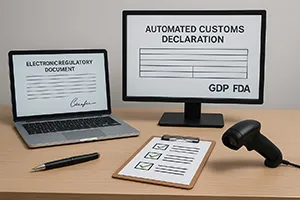
Challenge: Pharma logistics need to observe strict guidelines globally—Good Distribution Practice (GDP), FDA rules, and EU rules, amongst others. These legal guidelines cover documentation, storage conditions, handling protocols, and security features. Navigating the regulatory landscape can be complex, especially when delivering across borders where exclusive nations have various necessities.
Solution: Digital transformation can simplify regulatory compliance. Electronic documentation, automatic customs declarations, and compliance management software reduce manual errors and speed up clearance procedures. Staying up-to-date with regulatory changes through specialized platforms allows making sure of non-stop compliance.
3. Inventory Management
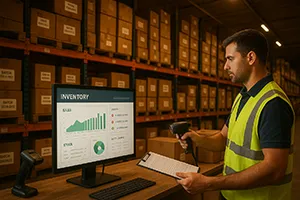
Challenge: Managing pharmaceutical inventory involves monitoring inventory levels, expiry dates, and batch tracking to prevent shortages or extra stock. Overstocks cause waste, especially with short shelf-life products, even as stockouts disrupt affected patient treatment. Effective inventory management structures ought to support correct forecasting, real-time facts updates, and seamless integration with deliver chain partners.
Solution: Implementing advanced inventory management systems powered by way of automation and predictive analytics facilitates hold optimal stock levels. Real-time inventory monitoring, expiry alerts, and batch-level traceability reduce errors and enhance forecasting accuracy. Integration with supply chain partners and ERP systems ensures visibility throughout warehouses, distributors, and healthcare companies, minimizing the risk of shortages or wastage even as enhancing operational efficiency.
4. Transportation and Distribution
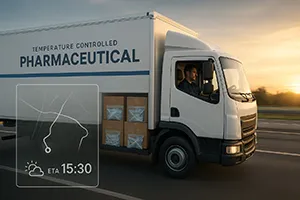
Challenge: Transporting pharmaceuticals poses risks inclusive of delays, theft, damage, or exposure to unsuitable conditions. Unexpected occasions like traffic congestion or weather disturbances compound those demanding situations. Choosing optimized routes, secure packaging, and leveraging GPS monitoring are essential to minimizing those risks while ensuring timely delivery.
Solution: Secure and efficient transportation utilize GPS tracking, route optimization software program, and tamper-evidence packaging to enhance security, less delays, and enhance transport reliability.
5. Technology Integration
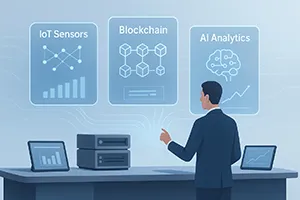
Challenge: With growing supply chain complexity, integrating advanced technologies like IoT sensors, blockchain for traceability, and AI-powered analytics is vital but challenging. Incorporating new systems requires investment, staff training, and alignment across stakeholders. Data accuracy and system interoperability are also common barriers that need ongoing attention.
Solution: Technology integration invest in interoperable platforms combining blockchain for product traceability, IoT for environmental monitoring, and AI for supply chain analytics to enhance transparency and operational efficiency.
6. Supply Chain Visibility and Risk Management

Challenge: Limited real-time visibility across the supply chain hinders quick reaction to disruptions such as recalls, product damages, or shortages. Robust risk management involves predictive analytics, contingency plans, and constant monitoring to maintain supply continuity. Lack of transparency can lead to delayed response times and increased costs.
Solution: Implementing real-time tracking systems powered by GPS, RFID, or blockchain technology improves supply chain transparency. These tools allow stakeholders to monitor shipments at every stage, anticipate bottlenecks, and provide accurate delivery estimates, enhancing overall supply chain efficiency.
7. Sustainability and Green Logistics

Challenge: The pharmaceutical industry faces rising pressure to reduce environmental impact. Logistics operations contribute to carbon emissions through transportation and packaging waste. Achieving sustainability goals involves adopting energy-efficient modes of transport, eco-friendly packaging materials, and optimizing routes to reduce fuel consumption while maintaining drug safety standards.
Solution: Green logistics initiatives adopt eco-friendly packaging, enhance warehouse energy efficiency, and transition to low-emission transportation modes to reduce the environmental footprint of pharmaceutical logistics.
Best Practices for Pharmaceutical Logistics Management
Successful pharmaceutical logistics requires a holistic approach:
- Adopt Advanced Technologies: Utilize IoT, AI, and automation to enhance accuracy, speed, and reliability in logistics operations.
- Maintain Strong Collaboration with all Stakeholders: Maintain transparent communication among manufacturers, distributors, and healthcare providers to anticipate and resolve issues quickly.
- Prioritize Training and Compliance Updates: Regularly train staff on regulations and new technologies to stay compliant and efficient.
By following these best practices, companies can build resilient supply chains that safeguard product quality and patient health.
Conclusion
Pharmaceutical logistics is important to the healthcare industry, ensuring life-saving medications attain patients in good quality. It calls for balancing strict regulatory compliance, advanced technology adoption, and risk management throughout international supply chains. By overcoming challenges together with cold chain management, regulatory complexity, inventory management, and sustainability needs, the pharmaceutical industry can assure product integrity and patient protection. Ongoing investment in innovative solutions and best practices will prepare organizations to meet the changing demands of the marketplace goals and while increasing the quality and reliability of the global pharmaceutical supply chain.
This comprehensive system of pharmaceutical logistics, based on practical challenges and their solutions, empowers industry stakeholders to re-evaluate their businesses, while reduce costs, and hold the high standards of healthcare delivery.