Cold Chain Logistics for Pharmaceuticals: A Complete Guide to Compliance, Technology, and Best Practices
In the pharmaceutical industry, preserving the integrity of temperature-sensitive products is crucial. Cold chain logistics for pharmaceuticals play a vital role in ensuring that vaccines, biologics, and other temperature-sensitive medicines reach patients safely and effectively. This complete guide explores pharmaceutical cold chain management, focusing on compliance, innovative technology, and industry best practices that help safeguard product quality throughout the supply chain.
Introduction: Why Does Cold Chain Logistics Matter More Than Ever in Pharma?
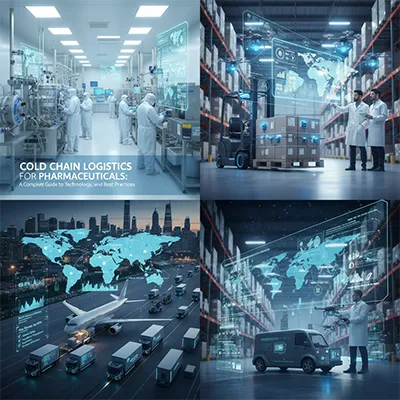
In an era where cutting-edge biologics, vaccines, and gene therapies are transforming healthcare, how can pharmaceutical companies guarantee that these life-saving medicines retain their potency from factory to patient? The answer lies in mastering cold chain logistics — a complex, high-stakes supply chain discipline that ensures temperature-sensitive pharmaceuticals are stored, handled, and transported within strict temperature ranges. Failure to maintain this cold chain can mean the difference between effective treatment and compromised patient safety. This guide dives deep into the critical world of pharmaceutical cold chain logistics, exploring how compliance, technology, and best practices converge to safeguard product integrity and ultimately, human lives.
What Is Cold Chain Logistics in Pharmaceuticals?
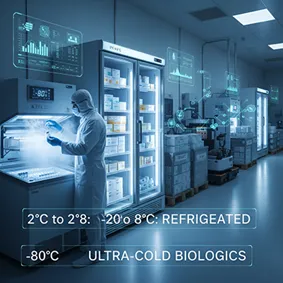
Pharmaceutical cold chain logistics refers to the process of storing, handling, and transporting temperature-sensitive drugs under controlled conditions. The temperature ranges typically include:
- 2°C to 8°C for refrigerated medicines,
- –20°C for frozen products, and
- –80°C or lower for ultra-cold biologics.
Any deviation from these parameters can degrade active ingredients, compromising drug safety and efficacy. For this reason, pharma cold chain management is not a logistical afterthought—it’s a clinical necessity and a regulatory obligation.
Understanding Pharmaceutical Cold Chain Management and Compliance
One of the pillars of effective pharmaceutical cold chain management is strict adherence to cold chain compliance pharma standards. Regulatory bodies such as the FDA, EMA, and WHO have established guidelines like Good Distribution Practices (GDP) to ensure temperature-sensitive products are handled appropriately.
Cold chain regulations in the pharmaceutical industry define specific requirements for packaging, storage conditions, transport, and documentation. Non-compliance can result in product spoilage, costly recalls, legal liabilities, and most importantly, harm to patients.
A practical cold chain compliance checklist for pharmaceutical cold chain logistics typically includes:
- Validated temperature-controlled storage and transport equipment
- Continuous temperature monitoring and data logging
- Staff training on cold chain procedures
- Proper packaging materials with insulating properties
- Robust documentation and audit trails for traceability
The Real-World Cost of Non-Compliance
Failing to adhere to cold chain regulations is not a mere administrative misstep; it has dire, tangible consequences:
- Patient Safety Crises: Compromised drugs can lose their efficacy, leading to ineffective treatments. For a cancer patient, this could mean a failed therapy. For a child, a spoiled vaccine could mean vulnerability to a preventable disease.
- Catastrophic Financial Loss: A single temperature excursion can lead to the write-off of an entire shipment, representing millions of dollars in lost product and revenue. This is compounded by the immense costs of a product recall, which can run into tens of millions.
- Regulatory and Legal Repercussions: Companies face severe penalties, including hefty fines, product seizures, and even injunctions that halt manufacturing or distribution. The FDA's Form 483 observations and Warning Letters can publicly damage a brand's reputation.
- Irreparable Brand Damage: News of a major recall or regulatory action erodes trust with healthcare providers, patients, and investors, a blow from which some brands never fully recover.
- A practical cold chain compliance checklist is essential, including validated equipment, continuous monitoring, trained staff, proper packaging, and robust, tamper-evident documentation.
Importance of Cold Chain Logistics in the Pharma Supply Chain
The pharmaceutical supply chain's reliance on temperature-controlled logistics is exploding, driven by the boom in biologics, cell and gene therapies, and personalized medicines. These advanced treatments are often exceptionally fragile, demanding an unbroken cold chain.
Effective temperature-controlled logistics enables pharmaceutical companies to:
- Maintain product integrity and ensure patient safety.
- Dramatically reduce financial wastage from spoilage.
- Achieve and demonstrate regulatory compliance.
- Build a transparent, accountable, and resilient supply chain.
Expanding on Real-World Challenges in Cold Chain Logistics
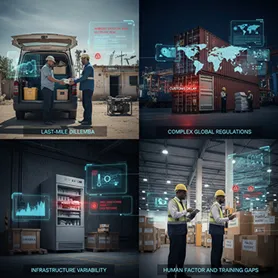
Beyond the known risks, the day-to-day operation of a global cold chain presents persistent, gritty challenges:
- The "Last-Mile" Dilemma: The final leg of delivery to a clinic, pharmacy, or patient's home is often the most vulnerable. Multiple hand-offs, exposure to ambient temperatures during unloading, and a lack of specialized equipment at the destination create significant risk.
- Complex Global Regulations: Navigating a patchwork of international regulations, customs procedures, and import/export requirements can delay shipments, increasing the risk of temperature excursions.
- Infrastructure Variability: In many regions, unreliable power grids, limited airport tarmac refrigeration, and a lack of qualified local partners can jeopardize product stability.
- Human Factor and Training Gaps: Despite automation, human error remains a risk. Inconsistent training across global teams in procedures for loading, unloading, and handling exceptions can lead to costly mistakes.
Cold Chain Technology Pharma: Innovations Driving Supply Chain Integrity
The adoption of cold chain technology in pharma has revolutionized temperature-controlled logistics. Traditional manual monitoring methods have given way to automated, real-time systems that drastically reduce risks of temperature excursions.
Cold chain monitoring systems in pharma now commonly use IoT-enabled temperature sensors that provide continuous tracking throughout the product journey. These devices transmit data to cloud platforms where AI-powered analytics can detect anomalies and predict potential failures.
The role of IoT and AI in pharmaceutical cold chain logistics includes:
- Real-time alerts for temperature excursions enabling immediate corrective action
- Predictive maintenance of refrigeration equipment to prevent breakdowns
- Enhanced visibility for stakeholders across the supply chain
- Detailed reporting to support compliance audits and regulatory inspections
Integrating these technologies not only improves product safety but also streamlines operations, reducing costs associated with spoilage and delays.
Key Technologies Driving Pharmaceutical Cold Chain Efficiency
Innovation has transformed how the pharmaceutical industry manages its cold chain. Technology in cold chain logistics enhances visibility, reduces risk, and improves efficiency.
1. IoT and Real-Time Monitoring
IoT-enabled sensors and cloud-based dashboards now provide continuous, real-time temperature and location data. This ensures any deviation is instantly flagged, preventing costly losses.
2. RFID and GPS Tracking
Radio-frequency identification (RFID) and GPS systems enable seamless tracking of shipments, providing transparency from warehouse to destination.
3. Automation and Data Analytics
Automation reduces manual errors and improves response times. Predictive analytics can forecast potential risks—like route delays or equipment failure—allowing proactive decision-making.
4. Blockchain for Supply Chain Integrity
Blockchain ensures tamper-proof data for regulatory audits, enhancing traceability and accountability across supply chain partners.
Addressing Real-World Challenges in Cold Chain Logistics for Pharmaceuticals

Despite advancements, cold chain logistics challenges in pharmaceutical distribution persist. The complexity of managing temperature-sensitive products across multiple geographies and handling points introduces risks such as:
- Temperature excursions due to equipment malfunction or human error
- Delayed shipments causing exposure to suboptimal conditions
- Inaccurate or incomplete temperature data compromising traceability
Effective pharmaceutical cold chain risk management strategies involve:
- Investing in reliable temperature monitoring and alert systems
- Partnering with experienced logistics providers specializing in pharma cold chain
- Conducting thorough risk assessments and continuous process improvements
- Utilizing data analytics to identify trends and potential vulnerabilities
Addressing these challenges head-on protects product quality and strengthens supply chain resilience.
Case Studies: Lessons from the Front Lines
- The Pfizer COVID-19 Vaccine Rollout: Pfizer's development of a thermal shipper that could maintain ultra-cold temperatures for up to 10 days was a logistical marvel. It relied on GPS-tracked, temperature-monitored packages and a dedicated control tower for real-time oversight, showcasing how innovation can overcome extreme cold chain challenges at a global scale.
- A Major Biologics Recall: A few years ago, a leading pharmaceutical company recalled a blockbuster biologic product after it was discovered that a significant number of shipments had been exposed to freezing temperatures during transport—a temperature excursion for a refrigerated product. The root cause was traced to inadequate packaging validation for specific transit routes and a failure in the monitoring system's alert escalation protocol. This case underscores the critical importance of end-to-end validation and robust, responsive monitoring.
Best Practices for Pharmaceutical Cold Chain Logistics Management
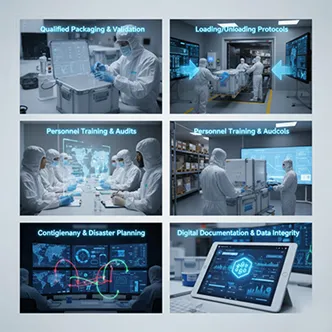
Implementing structured and validated cold chain practices ensures long-term reliability:
- Use qualified packaging systems with thermal validation
- Maintain strict loading/unloading protocols
- Conduct continuous personnel training and audits
- Establish risk-based contingency and disaster recovery plans
- Maintain data integrity through digital documentation systems
Selecting Cold Chain Logistics Service Providers and Software Solutions

Choosing the right partner is a strategic decision. When evaluating cold chain logistics service providers for pharma, scrutinize their:
- GDP Compliance Certification
- Track Record with similar products and geographies.
- Technological Capability and data reporting transparency.
Modern cold chain logistics software for pharma should offer:
- End-to-end visibility on a single dashboard.
- Automated reporting for audit readiness.
- Configurable real-time alerting.
The Future of Cold Chain Logistics in Pharmaceuticals

The next generation of pharmaceutical cold chains will be intelligent, autonomous, and sustainable.
Emerging Trends and Innovations
- AI-driven route optimization to minimize transit risk
- Smart packaging that adjusts temperature automatically
- Blockchain-integrated traceability networks across global suppliers
- Carbon-neutral refrigeration technologies for sustainability
- Collaborative cloud platforms linking regulators, manufacturers, and distributors in real time
The convergence of AI, IoT, and sustainable design will reshape how medicines move—from lab to life.
Conclusion
Cold chain logistics in pharmaceuticals is a dynamic and critical discipline where precision meets responsibility. It is the vital link that ensures modern medicine fulfills its promise. By embracing a strategy built on unwavering compliance, strategic technology adoption, and a culture of continuous improvement, pharmaceutical companies can not only mitigate risk but also build a resilient, transparent, and sustainable supply chain capable of delivering the next generation of life-saving therapies to patients worldwide.