The Role of European Pharma in Global Healthcare Advancements
Sarah Richards, Editorial Team, Pharma Focus Europe
International research also shows that European pharma industries contribute significantly to the global health system by providing for most of the drugs available across the nations and the continuous fight against the prevalent diseases such as those caused by bacteria and virus, to the constant discovery of treatments for terminal illnesses. By working together with innovation and using new technologies together with an emphasis on sustainability, they enhance the availability of healthcare services in areas it is lacking and promote equity and innovation all over the world.
Introduction:
Europe is one of the largest players in the international market for health care due to research, development and innovation, and competitive pharmaceutical industries. Some of these European pharma, medical research organizations and health care systems have continually provided valuable solutions to the welfare of people globally. It is an increasingly important role for them to play given that they take up the role of confronting global healthcare issues that range all the way from chronic illnesses to new epidemic threats. Here in this article, let’s discuss how European pharma has advanced the medical field in some ways in various areas.
1. Innovation in Drug Development
A major responsibility of the European pharma is steering the drug development process. Most of the radical treatments to the sickness including cancer, diabetes, and cardiovascular diseases among others begun with Europe based firms. The region has some of the major pharmaceutical companies in the world and they are as follows; Novartis, Sanofi, Glaxo Smith Kline, AstraZeneca among others. Here, to identify these new treatment for their client, these firms use several millions of dollars annually on R & D. For example, effort has been made to the advancement of the line of work of personified medication that in view of this is concerned with medication that suits the patient.
2. Combating Infectious Diseases
As with other facets of life, European firms have led the fight against diseases such as the current COVID 19 or the flu. Read this as biological technology companies such as BioNTech in Germany and AstraZeneca in the UK were firmly at the forefront in developing the vaccines that assisted in managing the spread of the pandemic.
To regular observers of the policy game, this was not the first time that European pharma has sought a rematch in a pinch. Between 1950 and 2000 European countries either invested in search for disease cures for such diseases as tuberculosis, malaria, HIV/AIDS or worked through development partnerships to ensure these cures were made available to millions of people in the developing world.
3. Research and Development Collaboration
The method that Europe has encouraged for scientific research and innovation is partnership based. The EU thus encourages collaborations between pharmaceutical industries, academic institutions, and other government institutions to kick start the new treatment discovery process. Horizon Europe, the EU’s research and innovation program, supports hundreds of healthcare innovations. Together with partners like the World Health Organization (WHO), it is guarantee that new treatments and drugs get to the appropriate people in low and middle income countries.

4. Tackling Rare Diseases
It also has seen evolution in how it has covered or approaches what are referred to as ‘orphan’ diseases, those that afflict a very limited number of people. Also due to the low demand most companies may not invest in these drugs due to lack of a large market for them. Nonetheless, European firms have been at the forefront in the formulation of remedies for almost all exotic ailments right from cystic fibrosis to Huntington’s disease. This begs the question, treatments for which diseases are rare and what has the EU Orphan Drug Regulation done to encourage companies to develop the products, which are only used in certain diseases?
5. Commitment to Sustainable and Affordable Healthcare
European pharma-organizations have also are more and more involved in making their health care products sustainable and affordable. Some have pledged oversized steps to going green through sustainability in production and reduction of wastage. Further, European pharma is in the process of making the cost of healthcare accessible to people in the developing world. In lower income regions, tier price mechanisms as well as affiliations with non-Governmental organizations (NGOs) have availed affordable prices of essential medications.
For instance, firms supply vaccines and other valuable remedies to African and Asian nations at fairness value.
6. Driving Technological Innovation
The pharmaceutical sector in Europe is also taking advantage of latest technology in advancing health systems. AI, Big data and Genomics is now on the used to fast track drug development, diagnostics, and treatments. Machine learning is used to predict new drugs and analysis of human genome is used to track diseases at a genetic level and develop treatments for them. This new technology places Europe in the vanguard of the direction of healthcare development.
7. Improving Global Health Equity
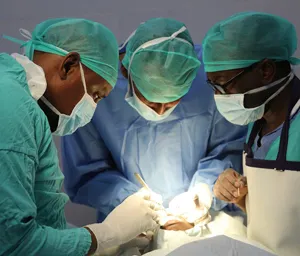
Joining their efforts in the development of new medication and prevention of diseases, pharmaceutical companies from Europe are implementing their strategies for crossing the healthcare divide between developed and underdeveloped nations. Local populations are being provided with medicine, vaccines and better health care facilities through partnerships charities worldwide. European pharma firms have been keen to ensure that people across the world can afford the needs most often required and therefore have the chance to lead a healthy life as should be the case without regards with their financial standing.
Conclusion:
For many years the European pharmaceutical industries have continued to act as a key driver towards the improvement of world health standards. Their work has been critical in advancing medicine from developing effective treatments for life threatening conditions to approaches to managing rare diseases and delivering medical products to the global poor. Through constant funding in research, partnerships and technology, the European pharma will still keep on being influential in combating some of the leading health challenges globally. It is evident that due to their passion of innovation, sustainability as well as global healthcare their services are crucial to help enhance health care for the overall population.

Sarah Richards, Editorial Team at Pharma Focus Europe, leverages her extensive background in pharmaceutical communication to craft insightful and accessible content. With a passion for translating complex pharmaceutical concepts, Sarah contributes to the team's mission of delivering up-to-date and impactful information to the global Pharmaceutical community.