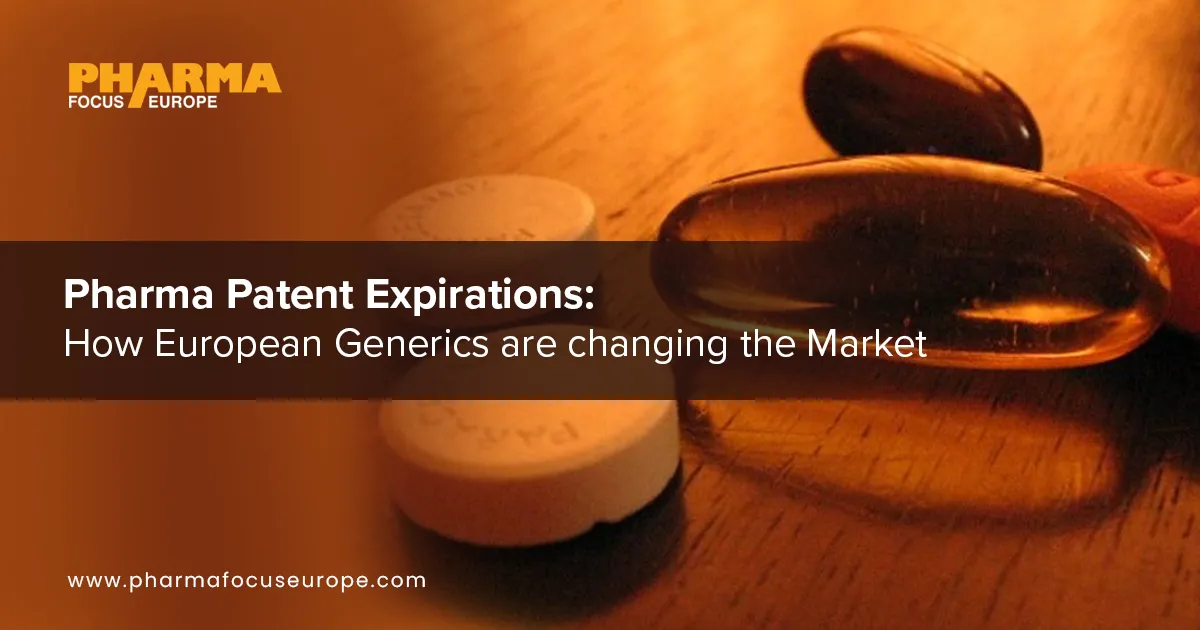
Pharma Patent Expirations: How European Generics are changing the Market
Kate Williamson, Editorial Team, Pharma Focus Europe
Due to recent patent liberalizations in Europe, new generics of essential drugs are available and at the same time affordable. This adaptive alteration is advantageous to both the health organizations and patients since it cuts cost while at the same time expanding the variety of ways through which a health issue could be addressed. Nevertheless, there are some problems the generics have to face, such as competition and perception by the public, patient organizations, and physicians, generics are a crucial component of healthcare systems in sustainable Europe, as the data demonstrate.
Introduction:
The industry whereby most products are pharmaceuticals is usually fueled by innovation, research and last but not the least patents. Patents enable drug manufacturers to sell a new drug for a certain amount of time, so they can indeed recover their research and development costs. However, once the patents for the medicine expire, any different company can legally manufacture the copy of the same drug a copy which will cost much lesser. Especially in Europe, due to expiring patents, there are market bearing changes of significant dimension. This article discusses about the effects of European generics in the pharmaceutical industry and examines the consequences on all stakeholders, including care providers, consumers and the entire market.
1. Understanding Pharma Patents and Their Role in Innovation
Drug patents are among the critical ways through which innovation is promoted. This process usually requires more than ten years, and it is not cheap – it might cost billions of euros. To be able to recoup these cost, governments offer patents to these companies for a specified time, usually 20 years, allowing the company to market their drug unchallenged. This time exclusivity enables the company to charge very high prices that include the cost of developing the drug besides its expensive research, clinical trials and approval.
In Europe, the exclusivity of patents is further rolled over in the first period by Supplementary Protection Certificates (SPCs), which holds up to five additional years. However, these extensions have bases once they expire and the drug is open to other manufacturers to copy and market at throwaway prices. It brings generics into focus in a drastic manner.
2. The Emergence of Generics in the European Market
If one company has the patent on the drug for a certain term, no other company can market the same drug, but once they get out of the patent, other cheap manufacturers can develop it. A generic substance has the same strength of the first movant and to be marketed, the FDA has laid down conditions that the product be as effective and safe as the patented product. EMA stands for European Medicines Agency institutions which supervises these approvals in Europe.
Thus, generic drugs have managed to change the face of the pharmaceutical industries in Europe since they are cheaper to patients and the healthcare systems. As the prices of generics are normally cheaper when compared to the branded drugs, as they range from 20%-80% cheaper and more people can afford the treatments. It also helps healthcare systems to cut billion of euros of costs, which can be reinvested in other pressing healthcare needs.
3. Impact of Patent Expirations on the Pharmaceutical Market
With generics in the market players’ strategies can turn the entire pharmaceutical industry upside down. Nearly all brand-name drug manufactures suffer a major loss of sales revenue after patents expire. For instance, a most selling drug that records annual revenue of up to one plus billion euros will experience a significant decline in its market share within a mere few months after the patent expiry.
Accordingly, a variety of brand-name producers attempt to lessen these losses employing tactics like launching second-generation or the next in line versions of their drugs, modifying their medicines, or producing coactive therapies that would prolong patent protection. In fact, certain manufacturers engage original equipment manufacturers, who then create authorized generics, thus getting a slice of the generic market while at the same time regulating the price somewhat.
4. Benefits of Generics for European Healthcare Systems and Patients
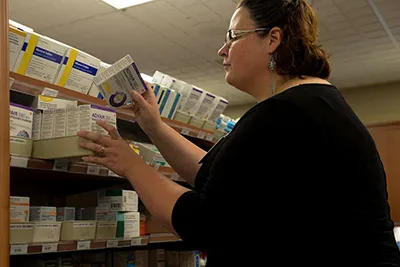
In general, generics are critically important for Europe’s healthcare systems with their predominantly limited budgets. In view of high costs of medical care, generics are more plausible in the long-term chronic diseases including; diabetes, hypertension, and heart disease. Every time clinicians and healthcare organizations manage to trim their costs, they can then funnel the money towards, for example, preventive measures, or towards new treatment methods.
Generics are also an advantage to patients as they provide ready market access to medicines that may otherwise had been expensive because of the branded drug. This is well illustrated in nations with publicly funded health system since these are the countries where the cost of these medications is borne by the government. It means that governments and insurance providers can afford to put into their plans everything that can be useful to citizens and do this without overloading people with the additional expenses.
5. Challenges Facing the Generic Market in Europe
Although generics bring evident advantages, there are also certain difficult issues. The problem with this formula is the rivalry that may be present within the generic market sector that makes the particular financial margin for manufacturers very slim. At times, this competition is severe that it makes small firms to pull out of the market thus decreasing the supply chain category of providers. Further, it may lead to low inventory if companies conclude that a given product is not commercially viable, and it is cheaper to recall it than manufacture it.
The other difficulty is associated with the attitude toward generics. Despite sufficient evidence that shows that generics are as efficacious as branded drugs, there remains prejudices among some patients and clinicians that branded drugs are more effective. This is quite a large misconception that may inhibit the utilization of generics mostly in very sensitive or critical medicines that need brand reputation.
6. Regulatory Landscape and Support for Generics in Europe
EU rules are generally favorable to generics, and generic companies have low-barrier mechanisms in place to secure entry into the market after the patents’ expiry. In this context, the regulatory authority such as the EMA makes it almost impossible to have substandard products in the generics’ market. Europe also sets policies which address doctors and incentivize them to prescribe generic medicines and pharmacists to recommend generics.
As a result of the pressures created within many European countries to cut the cost of health care, governments have implemented policies that either prescribe or promote the use of generics. For instance, French and German pharmacists have no option than to dispense generics if the doctor does not recommend the brand. They have increased the quality of generics, with Europe emerging as one of the biggest markets for generics.
7. Future Trends: Biosimilars and Specialty Generics
When patents for original biologic drugs are set to expire, biosimilars are anticipated to follow the same growth trajectory - biosimilar is what generics are to biologic drugs. Biologics are large molecules used to manage diseases including cancer and autoimmune diseases, and they are tougher to produce than bespoke small-molecule drugs. This makes biosimilar products to have a somewhat higher cost of production than other conventional biologics; however, they still possess great potential for saving costs from the original biologic products.
Another area likely to increase is specialty generics, which are generics for such things as complex active pharmaceutical ingredients or delivery mechanisms. These counter current include specific drugs with formulation like extended-release tablets; inhaler and any other injectable form of medication. The services of specialty generics are slightly different and these drugs are launched into the market to meet the needs of certain patients who need certain drugs that may cost them a lot of money in the normal market.
8. The Role of Generic Drugs in Europe’s Healthcare Strategy
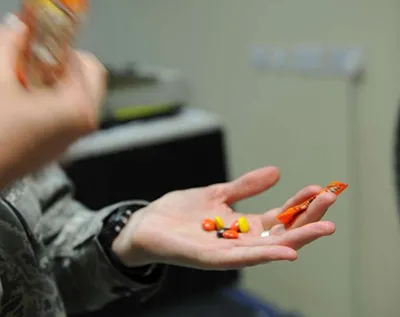
The European population continues to age because of improved health care, making demand for long term and cheaper treatment even more compelling. The future seems more certain for generics and those vendors willing to do business with them: indeed, these products are set to become more important in supporting the health care systems of Europe. Many nations are adopting strategies that incorporative generic medicine not only because they reduce spending but are an excellent approach to guarantee a constant availability of important medicine across EU nations.
Most European governments consider generics to be an essential element of their health care policy especially in the areas of minimal reliance on branded medicines and drug security. Europe is better placed to tackle future health challenges by promoting the local generic manufacturing and also working toward increasing the public’s acceptance of generic products.
Conclusion: A New Era of Accessibility and Affordability
In conclusion, losing pharma patents and beginning of generics in Europe is one of the key trends which are important for the development of pharmaceutical market. Use of generics reduces the efforts of patients and healthcare systems in terms of cost of access to the essential drugs. As we realize the remaining obstacles, such as rivalry and misconceptions regarding generics, generic drugs’ potential is obvious.
The European model of supporting innovative developments creates a guide for other regions that want to combine the creation of innovative products with reasonable prices. As generics continue to gain ground, they promise a future where high-quality treatments are within reach for more people, contributing to a healthier and more equitable society.
.webp)
Kate, Editorial Team at Pharma Focus Europe, leverages her extensive background in pharmaceutical communication to craft insightful and accessible content. With a passion for translating complex pharmaceutical concepts, Kate contributes to the team's mission of delivering up-to-date and impactful information to the global Pharmaceutical community.