How AI Is Addressing Drug Development Challenges in Rare Diseases?
Kate Williamson, Editorial Team, Pharma Focus Europe
Drug development for rare diseases that affect less than 0.1% of the population proves challenging because of restricted data availability and small patient numbers and high project expenses. Modern drug discovery alongside clinical trials and personalized medicine receive significant advancement through artificial intelligence (AI). This examination demonstrates how AI drug discovery deployments along with AI-powered platforms and machine learning algorithms and AI-derived insights tackle important restrictions for treating rare diseases while simultaneously lowering developmental costs and accelerating processes for precision medicine development.

Introduction:
Healthcare struggles with persistent obstacles to treat and understand rare diseases which societies call orphan diseases. While affecting a minority portion of individuals these rare diseases make therapy discovery difficult because of scarce research data and expensive evaluation costs alongside multifaceted disease pathways. The rising use of artificial intelligence (AI) drives a transformative change in drug development and it extends new hope to worldwide populations of millions of patients.
The execution of medical therapies could become faster through AI technology because pharmaceutical companies together with scientists will break past conventional research blockers.
The Challenge of Rare Diseases

Research indicates that worldwide there exist more than 7,000 rare conditions which impact millions of individuals throughout the world. However, only a small fraction have approved treatments due to challenges like:
- Limited data availability: Smaller samples of patients produce split data and unfulfilled research data.
- High costs: Pharmaceutical businesses frequently find developing pharmaceuticals for specific niche markets incapable of yielding financial success.
- Time constraints: Specific drug development methodologies spanning thirteen years frequently meet failure before approval.
The solution to pharmaceutical development challenges emerges through artificial intelligence because AI-powered platforms and machine learning algorithms rewrite traditional drug discovery methods.
1. Overcoming Limited Data Availability with AI
The development of rare disease therapies faces significant hurdles because of limited patient research information. Small population numbers create challenges for researchers to obtain datasets which are both meaningful enough and abundant enough. Research insights generated through artificial intelligence prove key to closing these information gaps.
Mining and Analyzing Data
Computer systems use their strong analytical abilities to process broken and missing datasets in order to generate useful information. Machine learning tools help detect recurring patterns between genetic data along with medical records and patient registries to provide researchers with more profound disease mechanism insights.

Real-World Applications
Healx and Insilico Medicine employ artificial intelligence platforms to alastra various information sources from which new therapeutic goals can be extracted. Device-driven drug discovery uses artificial intelligence to process small datasets that are essential for rare diseases research.
2. Accelerating Drug Discovery with AI-Based Tools
Artificial intelligence enhances drug treatment development through advancements which specifically target rare diseases. Traditional drug discovery techniques burden the process with excessive time requirements and demand substantial financial resources spread across numerous years of research. Drugs that employ artificial intelligence-based discovery components speed up the development process and lower its costs.
Key Advancements
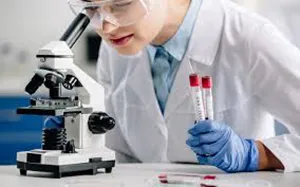
- AI algorithms today examine billions of chemical compounds much faster than traditional methodologies need for completion.
- Researchers use predictive analytics to generate drug-target interaction models with exceptional precision.
- AI-powered platforms help healthcare teams distinguish top therapeutic compounds throughout initial testing stages.
Case Studies
AI technology at Atomwise and BenevolentAI helps pharmaceutical firms enable quick molecule searches for drugs that demonstrate therapeutic promise. By analyzing extensive datasets their algorithms generate predictions about which chemical compounds have better odds of becoming successful in preclinical testing to lower the possibility of experimental failure.
3. Personalized Medicine and AI-Driven Insights
Rare diseases demonstrate extensive genetic variations, so personalized medicine becomes the mandatory approach to treatment. The application of artificial intelligence enables personalized medical treatments that optimize recovery results for patients.
Precision Medicine Powered by AI
Machine learning systems study genomic information to detect genetic fault connections with uncommon medical conditions.
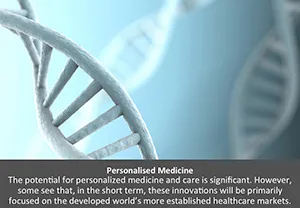
The combination of artificial intelligence platforms with power-based algorithms design drugs that specifically target mutational variances thus creating highly effective therapeutic solutions.ng traditional methods.
Real-World Impact
The genetic research company Moderna and Genentech uses AI intelligence to create RNA treatments targeting rare genetic conditions. By implementing Artificial Intelligence technologies into their discovery process these organizations produce drugs specifically designed to eradicate essential disease origins.
4. Enhancing Clinical Trials with AI
The clinical trial process for rare diseases encounters distinctive difficulties when conducting research on small, isolated populations of patients. AI-powered platforms are addressing these issues by:
- The rapid identification of qualified patients occurs through predictive analytics systems.
- Advancing trial designs with operational efficiency as a principal objective.
- Real-time patient monitoring allows researchers to minimize dropout numbers.

Optimizing Trial Success
Artificial intelligence in drug discovery provides researchers with capabilities to predict how patients will respond to treatments allowing protocol refinement. Predictive analysis through artificial intelligence creates trial design improvements which boost success rates although studies conduct operations with minimum patient involvement.
5. Reducing Costs in Drug Development
Pharmaceutical firms avoid selecting rare disease development due to its high budget requirements. AI-based drug discovery tools are changing this by:
The pharmaceutical industry benefits from automated processes which manage compound screening and preclinical testing tasks that require multiple workers. Early detection of potential failures enables the prevention of expensive problems which occur during later development stages.

Cost-Effective Solutions
Artificial intelligence platforms enable pharmaceutical companies to decrease development expenses thus improving their financial viability for rare disease medicines. Through AI algorithms Recursion Pharmaceuticals automates cell imaging procedures while compound identification reduces research spending.
Conclusion:
The use of artificial intelligence represents a revolutionary step for advancing drug discoveries which aim to fight rare diseases. Using platform technology alongside machine learning algorithms and AI-driven evaluations enables researchers alongside pharmaceutical companies to tackle major issues within their field. The current healthcare industry is undergoing major change because AI-based drug discovery tools help researchers overcome data restrictions while lowering costs and enabling customized medical solutions.
With advancements in technology the future applications of artificial intelligence for complex rare disease solutions will become increasingly vital. The strategy brings hope to countless patients alongside firm declarations that any disease should receive needed attention. When we use AI in drug discovery we create new possibilities that lead to a future where medical evolution combines with empathetic medical practices to offer every patient opportunity for improved health outcomes.
.webp)
Kate, Editorial Team at Pharma Focus Europe, leverages her extensive background in pharmaceutical communication to craft insightful and accessible content. With a passion for translating complex pharmaceutical concepts, Kate contributes to the team's mission of delivering up-to-date and impactful information to the global Pharmaceutical community.