The Role of Automation in Pharmaceutical Manufacturing
Kate Williamson, Editorial Team, Pharma Focus Europe
Pharmaceutical product manufacturing executives experience a revolutionary change through automated systems which create increased operational precision along with better control measures. The future of pharmaceutical manufacturing production will be formed by automated systems because they use robotics alongside AI applications and digital transformations throughout pharmaceutical manufacturing to both improve GMP compliance and speed up drug discovery and reduce errors.
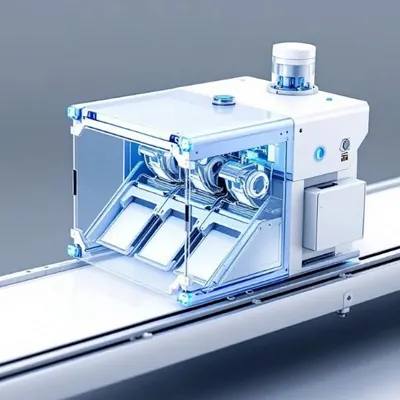
Introduction:
Modern pharmaceutics gained momentum through technological progress which primarily involved automation in pharmaceutical production processes. The drug development process now produces major changes in drug manufacturing pipeline operations from start to finish delivery to marketplaces. The pharmaceutical industry requires better efficiency together with precision and speed and therefore automation plays an essential role in pharmaceutical manufacturing. Pharmaceutical automation companies play what role during this industry change and what future directions does the transformation create? The following discussion explores this subject in more detail.
The Evolution of Automation in Pharmaceutical Manufacturing
Pharmaceutical manufacturers use automated procedures as more than labor replacement methods because they transform conventional processes into highly accurate and standardized manufacturing systems. Pharmaceutical production becomes more accurate and experiences fast production speeds and displays consistent drug quality following the implementation of automation systems. Automation systems conduct pharmaceutical operations through manufacturing equipment and processing systems as well as automated drug manufacturing processes which boost productivity and minimize human error.
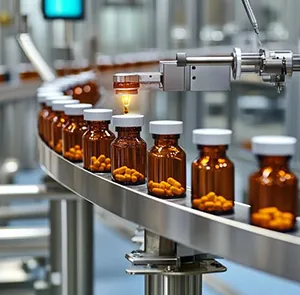
Manufacturers are adapting to digitalization in their production processes which represents a major propelling factor. Computerized manufacturing transformation in the pharmaceutical industry creates possibilities for instant data tracking as well as predictive equipment upkeep followed by personalized product production. Smart systems allow manufacturers to use automation for supply chain optimization and batch production monitoring and inventory control which keeps pharmaceutical organizations competitive.
Robotics and AI: Changing the Landscape of Pharmaceutical Manufacturing
The pharmaceutical industry depends greatly on robots as one of its principal automated systems.
The field of robotics no longer operates only with basic procedures because high-precision applications now include tablet press procedures and packaging alongside inspection systems. Pharmaceutical manufacturing strongly depends on AI applications for successful operations. Machine learning algorithms and AI experts equipped with these systems can assess large data collections to recognize patterns and perform quick choices which exceed human processing capabilities. The pharmaceutical industry benefits from manufacturing digital transformation through these technologies which create more efficient and smarter production methods.
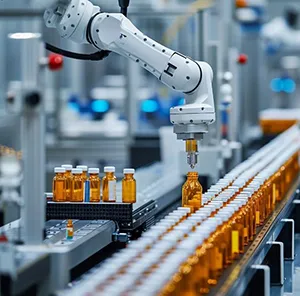
Through automation pharmaceutical producers have achieved remote control over their entire production functions. Industrial systems that use automation for productivity have an added benefit of generating higher regulatory compliance rates. The FDA and similar regulatory bodies require companies to follow GMP compliance in automated pharmaceutical manufacturing through their automation systems that simplify standard maintenance requirements. The systems track down each manufacturing stage starting from raw material formulation all the way through final packaging thus ensuring that every production requirement is met.
The Impact of Automation on Pharmaceutical Quality Control
Automation technologies used in pharma production bring significant changes to pharmaceutical process automation practices. Automation systems have improved the essential quality control component that pharmaceutical producers depend on. The automatic testing systems immediately evaluate the quality of each production batch while ensuring complete environmental monitoring and ensuring impurity detection thus preventing drug formulation errors and contamination. Data analytics integration in pharmaceutical manufacturing allows pharmaceutical businesses to process vast data collections and recognize patterns that enable them to foresee quality problems early.
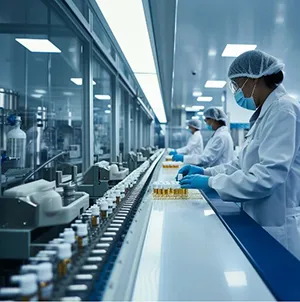
Through automation, pharmaceutical manufacturers create systems which surpass regulatory standards in addition to fulfilling them. Automated systems used in manufacturing lead to precise control of drug production environment conditions including temperature and humidity and air quality levels. The substitution of human operation brings about a significant reduction in cross-contamination risks.
Automation's Role in Drug Discovery and Development
Drug discovery profits from automation which represents an intriguing feature within this evolving domain. The automation process transforms the time it takes to identify drugs and validate them for market release.
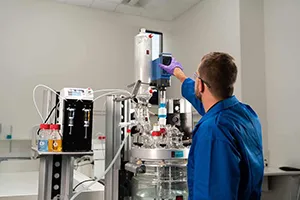
Standardized screening systems evaluate large numbers of compounds within timeframes that are much shorter than the time it would take for human workers to perform these tests manually. Pharmaceutical industry processes use automation as their foundation for quick testing and validation operations thus making development times faster while reducing expenses.
The Future of Automation in Pharmaceutical Manufacturing
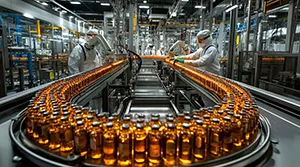
The pharmaceutical industry will observe additional developments of automated medicine production systems during its progressive forward movement. The industry will face more disruptions through additive manufacturing (3D printing) technology because this will enable on-demand production of personalized medicines. The implementation of AI systems in pharmaceutical production enables better understanding of drug activities along with patient reactions as well as multiple vital parameters to develop better focused medical treatments
 .
.
Pharmaceutical automation companies deliver innovations that build more effective and scalable and stable systems. The following years may introduce fully automated drug production processes which reduce both production expenses and increase operational precision through minimal human involvement.
Automation and Its Role in Regulatory Compliance
Regulations within the pharmaceutical industry produce complex hurdles which challenge manufacturers in their operations. All pharmaceutical businesses must focus on GMP compliance when operating automated pharmaceutical manufacturing systems. Automation systems implement regulatory requirements through their function of creating process documentation for all production activities.

Product safety is guaranteed alongside increased traceability during recalls because of comprehensive documentation at this level. The prevention of non-compliance depends significantly on automation systems which help pharmaceutical businesses preserve their record of safety and product excellence.
Understanding the Benefits of Automation in Packaging
Packaging process in pharmaceutical manufacturing operations receives notable improvements because of automation technology. The automation of pharmaceutical manufacturing packaging enhances both the operational speed and the superior quality of package production.
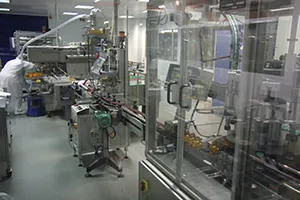
Packaging process in pharmaceutical manufacturing operations receives notable improvements because of automation technology. The automation of pharmaceutical manufacturing packaging enhances both the operational speed and the superior quality of package production.
FAQs
What Is Process Automation in Pharmaceutical Manufacturing?
The pharmaceutical industry combines automation systems with technological solutions to monitor all production operations throughout pharmaceutical handling. These systems combine their expertise to perform mixing operations and drug creation while managing packaging methods and quality assessment processes, which enhance product efficiency as well as maintenance of product consistency.
How Do Automation Systems Enhance Regulatory Compliance in Pharmaceuticals?
Food safety regulations are boosted through automation because the system generates comprehensive documentation about the complete pharmaceutical production sequence. Such management systems verify manufacturing processes comply with necessary GMP standards which reduces potential mistakes and tracks each step throughout automated pharmaceutical manufacturing.
What Are the Benefits of Automating Packaging Processes in Pharmaceutical Production?
Packaging operations automated for pharmaceutical manufacturing enhance operational efficiency while cutting down human mistakes along with maintaining steadier product quality. The technology provides packaging protection along with fast execution while fulfilling labeling and sealing specifications and helping decrease financial expenses.
How Can Automation Reduce Human Error in Pharmaceutical Manufacturing?
The use of precise automated systems eliminates human mistakes because they execute repetitive procedures using programmed commands. Advanced pharmaceutical production benefits from automation because it produces uniform results throughout all stages from material blending to packaging both materials and powder components thus delivering products with consistent high-quality standards.
What Should Pharmaceutical Companies Consider When Implementing Process Automation?
Pharmaceutical firms need to evaluate several aspects such as total cost investment alongside system scalability and regulatory compliance standards and seamless integration of automated systems with their current operational platforms during process automation implementation. It is essential for organizations to evaluate workforce changes from automation while providing training to their employees for working with new system platforms.
Pharmaceutical manufacturing cannot exist without automation because this technology clearly impacts industry development for the future. Pharmaceutical organizations will reach exceptional efficiency levels together with precision outcomes and compliance standards through sophisticated technology adoption and digital transformation.
.webp)
Kate, Editorial Team at Pharma Focus Europe, leverages her extensive background in pharmaceutical communication to craft insightful and accessible content. With a passion for translating complex pharmaceutical concepts, Kate contributes to the team's mission of delivering up-to-date and impactful information to the global Pharmaceutical community.