The GMP plays an important role in therapy diagnosis and treatments, especially in oncology, cardiology and neurology. These products contain radioactive substances, the production process should meet extraordinary high standards to ensure safety, quality and efficiency. It provides mainly a set of guidelines to help manufacturers help maintain these standards in full production.
Production of radiopharmaceuticals presents unique challenges compared to other drugs. The radioactive nature of the material, their small life and the complexity of the production process requires strict control to reduce the risk of both patients and the environment. This article examines the most important principles and requirements for GMP in radiopharmaceuticals, which ensures their safe and effective production.
Principles for GMP in Radiopharmaceutical substances:
The main objective is to ensure that products are constantly produced and controlled to meet the quality standards required for their intended use. In radiopharmaceutical substances, it not only includes traditional concerns for drug quality, but also contains additional factors such as radiation safety and handling of short-term isotopes.
Quality Assurance:
It is central to Good Manufacturing Practices (GMP) and covers all activities and procedures that ensure that a product meets its intended quality standards. In radiopharmaceuticals, QA involves a complete testing of both raw materials and end products, so that they meet safety, effect and purity requirements. The radioactive nature of these products requires additional security measures, such as securing radioactive doses within the prescribed limit and that the durability of the product is suitable, given the rapid decay.
Construction Design and Environmental Control:
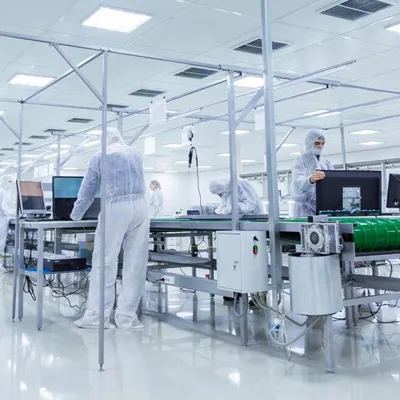
It is important in radio pharmaceutical production. These GMP guidelines require facilities to be constructed and maintained to reduce the risk of both chemical and radioactive pollution. By cleanrooms with controlled air filtration systems are necessary to prevent contamination of particle, and conservation should be included to protect workers from radiation risk.
Environmental control is also important to prevent cross-contamination between radioactive and non-radioactive areas. With limited access to these areas, separate areas for different stages of production are created. Equipment dedicated to handling radioactive materials and strict processing procedures further reduce the risk of pollution.
Personnel and Training
Well-trained personnel are required for effective implementation of GMP in radio pharmaceutical production. By given the special nature of the work, employees must be trained in specific processes to handle GMP principles, radiation security and radioactive materials.

The GMP guidelines require continuous training for personnel involved in radiopharmaceutical production to ensure that they remain up to date with new rules, technologies and best practices. This training includes both theoretical knowledge and practical skills, including proper use of protective equipment, radiation of radiation and secure handling processes.
Documentation and Record Keeping:
These accurate documentation is an important element of GMP. In each phase of the radiopharmaceutical production process should be carefully documented to ensure traceability and responsibility. This includes registration source for raw materials, production processes, calibration of equipment and quality control tests.
Batch journals are particularly important in radiopharmaceutical production due to short shelf-life. The GMP guidelines determine that each batch should be produced according to a production protocol before analog, with any deviation from the documents and only protocols.
Equipment and Calibration:
The units used in radiopharmaceutical production should be designed, established and maintained to ensure frequent performance. GMP guidelines highlight the importance of equipment calibration, especially for devices that measure radioactive doses. To ensure that regular calibration is required that these devices provide accurate and reliable readings, which are important for patient safety.
With calibration, equipment will have to undergo regular maintenance to prevent collapse that can disrupt production. Preventive maintenance programs are part of the GMP structure, and any tool errors should be documented and examined to identify the cause and prevent future problems.
Challenges in Radiopharmaceutical GMP:
The unique properties of radiopharmaceutical substances present more challenges for implementing GMP. These challenges include handling radioactive materials, rapid production requirements due to small life of isotopes and complexity of quality control tests.
Radioactive Material:
Radiopharmaceuticals are an important challenge for GMP relationships. Manufacturers should take care of workers to protect against radiation risk and prevent environmental pollution. Both production equipment and convenience require conservation, while employees should wear protective clothing and use individual radiation monitoring equipment.
Handling radioactive material requires strict compliance with safety protocols to prevent unintended risk or pollution. GMP guidelines require all personnel involved in handling radio pharmacists trained in radioactive safety and followed the processes installed for safe handling, storage and disposal of radioactive waste.
Short Half-lives:
Many radiopharmaceutical substances have a very low half-lives, which means they are due quickly and lose efficiency within hours or minutes. This gives a lack of strict time on the production process, as the product is to be produced, quality tested and should be given to the patient within a short deadline.
In order to maintain GMP contamination, effective production processes and fast quality control tests are necessary. Delays in production can make the product useless, cause financial loss and delay in patient care. Therefore, manufacturers must use effective planning and coordination systems to adapt production and distribution processes for speed and efficiency.
Quality Control and Testing:
It is an important part of GMP, and in radiopharmaceuticals, the QC test is particularly complicated due to the need to measure both chemical and radioactive properties of the product. In addition to tests for purity, sterility and strength, QC procedures should also ensure that radioactive doses are within the specified area and the product is safe for patient administration.

The QC testing for radiopharmaceuticals is even more complicated than the small half of the products. The test should be completed quickly to ensure that the product can be used before losing your efficiency. This requires special test tools and highly trained personnel who can complete the tests correctly and efficiently.

Regulatory Structure:
In the GMP for radiopharmaceuticals is regulated by various national and international organisations, such as the European Medicines Agency (EMA), US Food and Drug Administration (FDA) and International Atomic Energy Agency (IAEA). By these organisations provide broad guidelines for production, quality control and handling radiopharmaceuticals to ensure their safety for use in medical environments.
EU
In the EU, the GMP is regulated by the EMA for radio pharmacists under Appendix 3 of 2001/83/EC and EU GMP guidelines. This rules determine the requirements for production, quality control and distribution of radiopharmaceutical substances in the EU.
EMA guidelines highlight the need to control radioactive pollution, maintain sterility and ensure the radioactive dose of the product within the prescribed area. They also address specific challenges with radio pharmaceuticals, such as rapid production and necessary tests because of their small half-life.
United States
In the US, It is regulated for radio pharmacists by the FDA under the Code of Federal Regulations (CFR) Part 212, which controls the production, testing and distribution of medicines. The FDA controls the EU in the EU, who focuses on ensuring the safety, quality and effect of radio pharmaceutical.
By these guidelines also address the unique challenges of radiopharmaceutical production, such as handling radioactive materials and the need for rapid production and testing. The manufacturers must follow these rules for meeting FDA's safety and quality standards.
International Atomic Energy Agency (IAEA):
It provides complementary guidance on safe handling and production of radio pharmaceuticals, especially in countries with low developed regulatory frameworks. IAEA's guidelines focus on radiation protection, prevents environmental pollution and the importance of strict compliance with GMP principles under radio pharmaceutical construction.
Conclusion:
Good Manufacturing Practices is important to ensure the safety, quality and effect of radio pharmacists. The specific challenges generated by their radioactive nature require strict control and special procedures in all stages of production. From the convenience design and training of employees to quality control and compliance with regulations, all aspects of radio pharmaceutical production must meet the highest standards to meet the highest standards for the end product to be safe for medical diagnosis and remedies.