

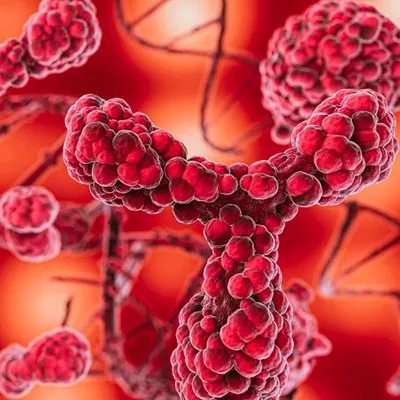
Current status of AOCs (Antibody-Oligonucleotide Conjugates)
These are ahead of biopharmaceutical innovation, combining the target accuracy of antibodies with the therapeutic capacity of oligonucleotides. By this innovative approach shows a major promise, especially when it comes to dealing with complex diseases such as cancer and genetic disorders. By overcoming the boundaries of traditional agents, AOCs provides highly targeted personal means that reduce effects outside Roadgate and improve medical results. As technology develops, AOCS is ready to change the treatment strategies in oncology and genetic diseases, providing new hope for patients with unmet medical needs.
Understand AOCs: Chemistry and Biology:
Chemistry behind AOCs:
Antibody-Oligonucleotide Conjugates are made from a high specific chemical process that connects the short strings of oligonucleotides-DNA or RNA to monoclonal antibodies. This conjugation allows the therapeutic utility load to be distributed directly to specific cells or tissues, using the natural capacity of antibodies on a biological target.
Choosing the right links is an important part of this process. These molecular contacts should be strong enough to remain intact in the bloodstream, but still some intracellular conditions were designed to break down. Often, the AOC goal is triggered after entering the cell. The way is important that oligonucleotide is the only sequence that defines the desired therapeutic effect, whether it is gene silencing, splicing correction, or mRNA degradation.
Challenges in AOC Chemistry:
While the concept is compelling, the development of AOCs comes with a set of formidable chemical challenges. To ensure that the conjugate remains stable in production, storage and delivery, it is an important concern. Even impurities at small levels can affect safety or medical performance. Copy ability is equally important for both necessary batch-to-batch stability regulation and clinical reliability.
Control of the conjugation process is also crucial. Variation in antibody-to-oligonucleotide conditions or specific attachment sites can give rise to anomalies in the body that behaves in the body. These challenges emphasize the need for careful, good validation methods during both production and analysis, so that AOCs remain for their ability.
Regulatory Landscape for AOCs
The Role of Regulatory Agency:
Antibody-Oligonucleotide Conjugates are receive countries as a promising medical platform, Chief Regulatory Officers, including the US Food and Drug Administration (FDA) and European Medicines Agency (EMA), are working to customize the existing contours to adjust this new production. Both agencies play an important role in protecting patient safety, support innovation, and ensures that new treatment meets strict norms of quality, effect and safety.
Given their hybrid structure, which blends the properties of oligonucleotide-based treatments, AOCs do not fit nicely in traditional regulatory categories. As a result, the agencies draw through the guidance installed for each component, acknowledging the need for more bespoke regulation paths. It is important to clarify the expectations of preliminary, transparent dialogue developers with regulators, solve scientific uncertainties and create a strong development plan from the beginning.
Major Regulatory Views:
Providing regulatory approval for AOCs involves navigating a complex network of requirements, which is to spread both preclinical and clinical development. From a preclinical point of view, developers should demonstrate biological activity with data on the stability of conjugates in the body, toxicity profile and distribution. The oligonucleotide elements may increase special concerns about immunogenesis and effects outside targets, while antibodies should maintain their binding specificity and structural integrity after the conjunctiva.

On the clinical side, one of the more pressure challenges is to set a meaningful closure point to measure safety and effect. Given that AOCs often works through the new mechanisms or already linking unbreakable routes, traditional markers may not be suitable for purposes. Therefore, regulators are supporters of adaptive test design and supporting biomarker data to inform the more fine assessment of clinical benefits.
While the AOCs regulatory routes are still mature, an active, active, scientifically leading approach combined with regulatory bodies can lead to a longer way to pave a smooth passage for approval.
To Overcome Chemistry and Technical Challenges
Chemistry Adaptation for Regulatory Success:
For Antibody-Oligonucleotide Conjugates (AOC) In order to achieve regulatory approval and provide clinical effects, their underlying chemistry must be carefully refined. In conjugation techniques, innovations help to remove major obstacles such as volatility, variable drug release and low strength. Linker technology, site-specific attachment methods and advances in oligonucleotide design are paved the way for more consistent pharmacokinetics and improved therapeutic effects. This development is important for improvement in safety profiles and construction of regulatory confidence in this new medical class.
Production of Upscaling:
Scale-to-scale AOC production from laboratory to commercial levels presents a separate set of challenges. The complex conjunctiva process, combined with the delicate nature of antibodies and oligonucleotides, requires careful control. Manufacturers turn modular, flexible production systems and better cleaning methods to ensure the integrity of the product on the scale. The first integration of development and production strategies is necessary to reduce the risk and ensure a steady transition for full-scale production.
Using Advanced Analytical Techniques:
State-of-the-art analytical equipment is central to quality assurance of AOCs. High-resolution methods such as mass spectrometry, capillary electrophoresis and next-generation sequencing are used to map conjugation pages, confirm purity and confirm the batch-to-batch stability. These techniques not only emphasize the submission of regulations, but also support continuous quality control in growth and production. As expectations from regulators develop, advanced analysis will be indispensable to demonstrate the reliability, safety and copy of the therapy of AOC therapy.
Case Studies and Real-World Examples
Stories of Success in AOC development:

Although Antibody-Oligonucleotide Conjugates (AOC) are still an emerging medical class, early clinical programs portray already lifted. A prominent example is Avidity Biosciences, the leading AOC candidate for rare muscle disorders has successfully entered clinical studies with regulatory support. This progress is emphasized by strong evidence before preclinical, thoughtful design of conjugation strategy and strict security assessment all of which played an important role in getting approval to continue with human testing.
Lessons from Early Approvals:
These early successes provide valuable takeaways for others navigating the AOC development road. A sustained construction process improvement of high quality has proven to be essential only of stability, purity and fertility in the batch. In addition, the initial and transparent engagement with regulatory bodies has helped developers addressing scientific complications that offer AOC, from choosing appropriate clinical closing points to limiting the dosage regiment for the new mechanisms of action.
Another general factor among promising candidates has been the use of advanced methods of analysis under development. These units are not only important for submissions of regulations, but also act as important ambassadors to mark the product and ensure the quality during the life cycle.
When regulatory structures adapt to adjust these new treatments, these initial examples are the basis for future success. They demonstrate that, with scientifically hard work and strategic foresight, the AOC's approval is both realistic and access.
Conclusion
Antibody-oligonucleotides continue through development pipelines in the form of conjugates their passage for regulatory approval is shaped by complex chemical and technical challenges. It is necessary to withstand problems such as conjunctiva stability, production of precision and analytical strength and must be close in line with developed expectations of global regulatory bodies.
However, potential payment is important. AOCs represents a sharp change in how we contact difficult to treat conditions, especially in oncology and rare genetic diseases. By combining the targeted accuracy of antibodies with therapeutic abilities for oligonucleotides, they provide the opportunity for safe, more accurate and personal means.
With an obligation to overcome scientific innovation, strong regulatory dialogues and technical barriers, AOCs are ready to become a defined strength in the future of targeted therapy.