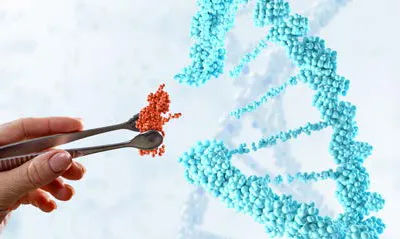
Scientists have debated the promise of mRNA as a therapeutic modality for over 30 years. Over this period, the field has made great strides with the discovery of capping, optimal polyA tail lengths, critically, modified bases. But it took a global pandemic for the world to truly witness its transformative potential. The rapid development, approval, and global rollout of mRNA vaccines — most notably from Pfizer-BioNTech and Moderna — showcased how this novel technology could be harnessed to combat a global health crisis in record time. The COVID-19 mRNA vaccines provided a crucial means of fighting the pandemic, demonstrating the ability of mRNA to stimulate the immune system to protect against SARS-CoV-2.
Setting the Field Back by Saving the World
However, while the speed and effectiveness of mRNA vaccines were groundbreaking, the pandemic also highlighted some of the inherent limitations of the technology, particularly regarding delivery mechanisms and stability. At the forefront of mRNA delivery mechanisms arrived lipid nanoparticles (LNPs), and, although LNPs played a pivotal role in the vaccines' success, there is much to be achieved regarding their targeted delivery and optimization. The rapid coalescence of the field around LNPs stifled research into more novel delivery systems and approaches.
Furthermore, the chemistry of mRNA itself remains a work in progress. While it has proven its value in the context of vaccines, many fundamental questions about its use in other therapeutic areas—such as oncology, genetic diseases, and beyond—remain unanswered. Optimizing mRNA’s stability, immunogenicity, and translation efficiency will be critical as the field seeks to push the boundaries of what this technology can achieve.
mRNA is Here to Stay: The Advantages of mRNA as a Therapeutic Modality
Despite the challenges, one thing is clear: mRNA is here to stay. Its advantages over traditional therapies make it a compelling option for a wide range of applications. As a modality, it offers discrete advantages compared to traditional biologics.
1. Rapid Development: mRNA technologies boast a fast and efficient development cycle, one of the greatest advantages of the platform. In contrast to traditional vaccines and therapies that often take years to refine, mRNA-based treatments can be designed and optimized in a matter of weeks. This speed is especially advantageous when dealing with rapidly evolving pathogens, such as viruses or seasonal flu strains that change from year to year. During the pandemic, mRNA's ability to respond to emerging variants highlighted the platform's flexibility. As new mutations were identified, the mRNA sequences were quickly updated to enhance the vaccines' efficacy.
2. Scalability: Manufacturing mRNA vaccines and therapeutics is often easier and faster at scale compared to protein-based approaches or live-attenuated vaccines. Since mRNA therapies do not require the cultivation of live organisms or the expression and purification of complex proteins, production can be ramped up more rapidly. This scalability makes mRNA particularly attractive for pandemic preparedness and other public health crises, where the ability to produce millions (or even billions) of doses quickly is critical.
3. Modularity and Versatility: One of the most exciting aspects of mRNA technology is its modularity. The same basic platform can be adapted to address a wide range of diseases simply by altering the mRNA sequence. This makes it a highly versatile tool, whether the goal is to design vaccines for infectious diseases, deliver gene-editing instructions to correct genetic mutations, or produce therapeutic proteins to treat rare disorders. This potential feature of mRNA opens the door to an array of possibilities, from personalized cancer vaccines to treatments for autoimmune diseases.
Recent Pipeline Developments: A Maturing Technology
As mRNA's potential becomes increasingly clear, companies across the biotech landscape flooded into the space to leverage the modality for a diverse range of applications, moving beyond vaccines and into novel therapeutic areas. These include gene editing, in vivo cell therapies, and other mRNA chemistries.
1. Respiratory and Infectious Diseases: The success of mRNA vaccines during the pandemic naturally led to continued exploration of their utility in other respiratory diseases. One notable advancement is CSL and Arcturus Therapeutics' KOSTAIVE, an updated self-amplifying mRNA vaccine targeting COVID-19. Approved by Japanese health authorities in 2024, this vaccine represented the first-ever approval of a self-amplifying mRNA platform. The mechanism allows for greater efficiency in protein production, offering the potential to use smaller doses of mRNA to achieve the same immune response. This marks a critical step toward making mRNA therapeutics that are potentially more cost-effective and accessible on a global scale.
2. Gene Editing: The intersection of mRNA with gene-editing technologies like CRISPR has the potential to revolutionize the treatment of genetic disorders. Intellia Therapeutics has been a pioneer in this space, using mRNA to deliver CRISPR components in vivo. Earlier this year, the company began Phase 3 trials for NTLA-2001, a CRISPR-based therapy for ATTR Amyloidosis, which is caused by the accumulation of misfolded TTR proteins. A single dose of NTLA-2001 has shown to result in deep, durable reductions in the pathogenic protein, offering hope for patients suffering from this debilitating disease.
Meanwhile, Verve Therapeutics has made headway with VERVE-102, a base-editing mRNA therapy targeting PCSK9 to reduce cholesterol levels. VERVE-102 aims for targeted gene editing directly in the liver using a unique GalNAc-conjugated LNP system to deliver the therapy. The company had previously leveraged a more common LNP, with poor results. Conjugating GalNAc to a new LNP offers hope of overcoming prior delivery challenges.
3. Cancer Vaccines: mRNA is also making waves in oncology, with personalized cancer vaccines emerging as an area of focus. Moderna and Merck have initiated Phase 3 trials for mRNA-4157 (V940), a personalized cancer vaccine targeting melanoma and non-small cell lung cancer. The vaccine works in combination with Merck’s immunotherapy KEYTRUDA, with promising Phase 2 results showing a significant reduction in the risk of recurrence or death. Carrying the FDA’s Breakthrough Therapy Designation, the candidate could be first to approval in this novel class of treatments that has seen its fair share of setbacks.
4. In Vivo Cell Therapies: Cell therapies traditionally require researchers to manipulate cells ex vivo, but mRNA offers a new pathway by enabling in vivo cell reprogramming. Capstan Therapeutics, for example, is working on an mRNA-based CAR-T therapy that could be delivered directly into the body, targeting cancer cells without the need for complex manufacturing processes. Similarly, Myeloid Therapeutics is advancing its RNA CAR therapies for liver cancer, marking exciting developments in the prospect of in vivo therapies that could make cell therapies more accessible and scalable.

Enabling Tools Get a Purpose-Built Upgrade
As the therapeutic applications of mRNA expand, so too does the ecosystem of tools and technologies required to support their development. Companies providing specialized manufacturing services, innovative delivery vehicles, and complex synthetic biology solutions are playing an integral role in helping support and advance the field.
1. Strategic Alliances for Synthesis and Manufacturing: ReciBioPharm’s recent alliance with Hongene Biotech to access single-guide RNA (sgRNA) synthesis technology exemplifies the kind of partnerships that could help drive the future of mRNA therapies. By integrating sgRNA manufacturing capabilities alongside mRNA and LNP services, ReciBioPharm can provide a more comprehensive service platform for gene-editing applications, streamlining the production process for therapeutic companies.
2. Advances in Delivery Technologies: Delivery remains one of the biggest challenges facing mRNA therapies, particularly for indications that require tissue or cell-specific targeting. Several companies are working on next-generation delivery vehicles that could vastly improve the efficiency and specificity of mRNA delivery. Mirai Bio, for example, has developed an algorithm-based platform designed to enhance LNP formulations, while GenEdit is pioneering polymeric nanoparticles that might offer a more precise and flexible delivery platform. Nanite Bio is similarly focused on mining diverse polymer families for targeted delivery applications having partnered with SalioGen Therapeutics to advance genetic medicines for diseases like cystic fibrosis by preferentially targeting the lungs.

An Uncertain Future
While the potential of mRNA-based therapies is immense, the field is not without its limitations. One of the most significant concerns relates to targeting capabilities of specific delivery mechanisms. LNPs lack the precision needed to ensure that mRNA reaches the intended tissues or organs without affecting others, though researchers are pursuing methods to improve target-specific delivery. The current lack of specificity raises the risk of unintended side effects, as mRNA can be taken up by non-target cells. In cases where off-target effects occur, this could cause unintended immune responses or even toxicity.
Furthermore, while mRNA itself has advantages, it also presents challenges specific to its immunogenicity. Even with modifications that reduce immune activation, the introduction of foreign RNA into the body can potentially trigger innate immune responses. Balancing immunogenicity with therapeutic efficacy remains a delicate task.
The very nature of mRNA as a therapeutic platform—genetic manipulation—has also raised concerns. Although mRNA does not integrate into the genome, as viral-based gene therapies do, there remains apprehension around altering cellular processes through external coding sequences. Long-term studies are still needed to fully understand the potential risks of repeated or sustained mRNA dosing, especially as the field expands beyond one-time vaccinations into more chronic treatments.
These limitations point to a larger need for the broader mRNA pipeline to hone and refine its focus. The initial excitement surrounding mRNA even before the pandemic centered on the idea of using “your body as a drug factory.” This idea, though exciting, is still out of reach today. The enthusiasm that arose around respiratory diseases and annual mRNA vaccines is now being tempered by practical realities, such as the cost and the risk/benefit associated with some of these applications. Annual vaccines for common respiratory viruses may not be necessary or justified in many cases, especially when considering the expense and logistics involved.
To ensure the success of mRNA therapeutics, the field must examine and stratify the best application areas for this modular platform. Like the broader advanced therapies landscape and cell and gene therapies, mRNA, too, has growing pains. The industry must resist the urge to pursue every possible application and instead focus on the right indications, patient populations, and therapeutic contexts where mRNA is truly the right therapeutic tool. The days of pandemic-fueled highs are long gone; patients, physicians, stakeholders, and investors now want to see material progress on indications, not platforms.
The (Deliberate) Path Forward
While mRNA has undeniably come into its own, demonstrating tremendous potential across therapeutic areas from infectious diseases to cancer, the field is not without its challenges. The field must balance the excitement around mRNA’s capabilities with the recognition that there is still much foundational work to be done. The issues surrounding delivery, stability, and manufacturing efficiency, highlight how essential it is to advance both the science and the technology supporting mRNA-based therapies.
At the same time, the potential promise of this platform is clear. Its rapid development, adaptability, and scalability offer unmatched advantages over traditional therapies and the field now needs to be committed to addressing the remaining scientific and technical challenges—refining mRNA chemistry, developing more efficient delivery mechanisms, and improving long-term safety and durability.
In this evolving landscape, it would be shortsighted to let these challenges overshadow the enormous potential of mRNA technology. mRNA has the ability to rapidly propel truly personalized and precision medicines forward for a host of currently intractable diseases. Rather than view obstacles as reasons to abandon the field, they should fuel the drive for further innovation and refinement with reasonable expectations on progress recognizing the early innings the industry is in. With an appreciation and embrace of the complexity of the science and the collaborative ecosystem emerging to support it, mRNA therapeutics have the capacity to transform.