Single-Sample Multiomic Mass Spectrometry in Drug Research
Rohith, Editorial Team, Pharma Focus Europe
Single-sample multiomic mass spectrometry can be used to examine proteins, metabolites, and lipids, and provides an integrated picture of drug effects and mechanism. It can capture numerous molecular layers of the same sample, allowing for greater variability reduction and enhancing the biological context, which supports drug discovery, safety test, and precision medicine. This article discusses its principles, uses, obstacles, and its future opportunities.
The study of drug research has always been based on the dissection of biological systems with careful work starting with a single enzyme to the study of a whole pathway. The prevailing system became reductionist, looking at individual layers of biology at a time, be it proteins, metabolites or lipids. Though these unit domain studies yielded useful information, they were frequently insufficient in the complexity of drug actions on several biological processes. The focus of such techniques to examine various molecular levels is integrated as biomedical research was redefined with the new technologies and the need to study the problem at such levels increased. Multiomic analysis, proteomics, metabolomics, lipidomics has become a response to this requirement. Single-sample multiomic mass spectrometry is today one of the most promising tools to study drug mechanisms and effects at a level of depth and resolution that was previously impossible.
Fundamentally, the method enables researchers to analyse proteins, metabolites, and lipids within a shared biological sample, which lessens the variability associated with the comparisons of diverse samples assembled individually. Rather than to divide the tissue, plasma, or cellular extract of a patient into individual workflows, scientists can now produce a complete data set that relates biochemical pathways in a more natural environment. This is capacity that is changing drug discovery and drug development not only by providing deeper biological knowledge, but also enhancing the efficiency and reliability of pharmaceutical research.
Principles of Single-Sample Multiomic Mass Spectrometry
Mass spectrometry is not a new concept in the history of analytical science in pharmaceuticals, and it is known as being the most precise way of identifying and quantifying molecules. Traditional workflows are analysed using individual experiments to study proteomics, metabolomics, and lipidomics. They all need different data collection, analysis pipelines, and sample preparation. It is the combination of these areas in single-sample multiomic mass spectrometry that is novel.
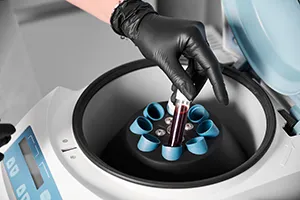
The procedure normally starts with proper preparation of a biological specimen like a biopsy, blood plasma or cell culture. Advanced extraction and fractionation methods can guarantee the preservation of proteins, metabolites and lipids without any deterioration of their chemical properties. The molecules are ionised using sophisticated platforms such as Orbitrap, quadrupole time-of-flight, and imaging-based systems and the separation of the molecules based on mass-to-charge ratio together with the detection of the molecules are carried out with a single run or harmonised workflow. The resultant data can then be computed to show correlations between molecular classes which otherwise would have been missed in individual studies.
The advantage of this approach is not only technical efficiency but biological relevance. Since proteins are the drivers of cellular events, biochemical states are reflected in metabolites, and lipids affect signalling and membrane dynamics, a multidimensional view of drug action is gained by uniting these perspectives. This will help to avoid the traps of fragmented interpretations and bring research closer to defining the real effects of therapeutic compounds on the system level.
Applications in Drug Discovery and Development
Among the most exciting aspects of single-sample multiomic mass spectrometry is that it can provide insight into drug mechanisms of action. Drug molecules hardly ever work by acting on just one target; they tend to cause a cascade of downstream interactions that cascade through the protein networks, metabolic pathways, and lipid interactions. Researchers can map these effects in a more accurate way by measuring the data in all these fields in one analysis. As an example, multiomic profiling in oncology studies has shown how targeted therapies do not only inhibit protein kinases, but also change lipid metabolism, redefining cellular energy consumption and membrane structure. These results lead to a better appreciation of therapeutic effect and can inform the optimisation of the drug.

Another important area into which the technology is impacting is drug safety evaluation. Unintended toxicity and adverse effects that occur off-target are significant causal factors of drug failure during late-stage trials. Multiomic signatures are able to point to early warning cues such as revealing subtle changes in metabolites or lipid species to indicate organ stress or unintended biochemical perturbations. In contrast to traditional assays that track the activity of a single or a few biomarkers, multiomic profile can provide a range of responses, providing a more dependable safety net during preclinical and clinical trials.
The use of single-sample multiomics also carries down into biomarker discovery. Precision medicine relies on the capability to find patient-specific markers that foresee drug reaction or challenge. Proteomic, metabolomic and lipidomic correlations can provide multi-layered biomarkers that are stronger and predictive compared to single-analyte biomarkers by correlating the changes in a single framework. These signature-based integrations promise to enhance patient stratification in clinical trials and personalized treatments on the basis of a biological profile.
This approach is beneficial to pharmacodynamics and pharmacokinetics as well. The classic PK and PD research tends to quantify drug concentrations and a few biochemical responses. Single-sample multiomics can now link drug exposure to a tapestry of molecular changes, allowing one to trace how absorption, distribution, metabolism, and excretion is not only reflected in drug levels but also in systemic molecular responses. This whole person view can improve dosage regimens, minimise variability, and enhance therapy.
Technological Innovations Driving Progress
The possibility of single-sample multiomic mass spectrometry is closely connected with the development of instruments and computer analysis. Orbitrap and fourier transform ion cyclotron resonance high-resolution platforms have the sensitivity and the accuracy to differentiate complex mixtures of molecules. Imaging mass spectrometry introduces spatial resolution, which enables this process to be viewed as a localised observation of how drug effects propagate across tissues.
Artificial intelligence and machine learning are changing the way data is analysed, a bottleneck in the past. Such tools can combine enormous datasets of proteomics, metabolomics and lipidomics and can sample patterns and correlations that would not otherwise be visible. The process is also being automated with automated workflows and robotic sample preparation that allow higher throughput and increased reproducibility.
The new technologies are such as single-cell multiomics, wherein mass spectrometric analysis is capable of measuring the heterogeneity of responses to drug action at the cellular scale. The spatially resolved analyses also add a second dimension of context, relating molecular changes to a particular region of a tumour, organ or tissue sample. These developments promise that the discipline is on the way to a period of intense detail and accuracy in drug research.
Challenges and Limitations
Single-sample mass spectrometry Multiomic single-sample mass spectrometry has its challenges despite its promise. The technicality of the sample preparation is still in high demand, and approaches are needed that maintain the chemical diversity of proteins, metabolites, and lipids within one workflow. The results can be biased by any imbalance in extraction or ionisation and reduce interpretability.
Another challenge is data integration. Multiomic data are massive and complicated and demand advanced algorithms and substantial calculation capabilities. The process of harmonising outcomes at varying levels of omic requires not only technical skills, but also a conceptual framework allowing the interrelationship of biochemical processes to be meaningful.
Cost is an additional factor. The cost of instruments of high quality and the facilities to maintain them is a huge investment restricting access to well-financed laboratories and pharmaceutical firms. To achieve wider adoption, workflows will have to be made more cost effective and scalable.
Lastly, the regulatory acceptance is work in progress. Although regulation bodies are becoming more receptive to multiomic data, the incorporation of such complicated datasets into drug approval systems will need to be clarified, standardised, and validated. Up to that point, Multiomics in pivotal decision-making with a single sample can be limited.
Future Outlook
Single-sample multiomic mass spectrometry will become an increasingly central part of drug research in the future. The cost, complexity and standardisation obstacles are due to mature technologies and the more advanced approach towards computations and are likely to reduce. Multiomic MS combined with other innovative technologies, including CRISPR-based gene editing, organ-on-chip models, and digital twins simulations, may open up new possibilities to understand the action of drugs in highly personalised situations.
The vision is extended to clinical practice in the long run. Consider the situation in which a biopsy or blood sample of a patient receiving treatment could be multiomically analysed by MS within a near real time context, providing clinicians with a multidimensional readout of drug response. This method may allow making changes to therapy in a dynamic way, minimising the negative impact and maximising the performance. The possibility to transfer to bedside outlines the transformational capability of this technology.
Conclusion
The single-sample multiomic mass spectrometry marks a revolution in the pharmaceutical research. It has a holistic view of drug effects and mechanisms that would be impossible to view in separate analyses because it can simultaneously analyse proteins, metabolites, and lipids of a single specimen. Its applications in mechanism elucidation, safety evaluation, biomarker discovery, and pharmacokinetics position it as a cornerstone of next-generation drug discovery and development.
Although there are still difficulties in sample preparation, data integration, cost, and regulatory acceptance, there is evidence that shows that these issues can be overcome with technological advances being made.
With the pharmaceutical industry still working on precision medicine, more potent therapies, single-sample multiomic mass spectrometry is a potent tool and it will define the future of drug research. Its potential does not stop at the promotion of science but also the provision of safer and more effective treatments to the patients across the globe.
Author Bio

Rohith, Editorial Team at Pharma Focus Europe, leverages his extensive background in pharmaceutical communication to craft insightful and accessible content. With a passion for translating complex pharmaceutical concepts, Rohith contributes to the team's mission of delivering up-to-date and impactful information to the global Pharmaceutical community.