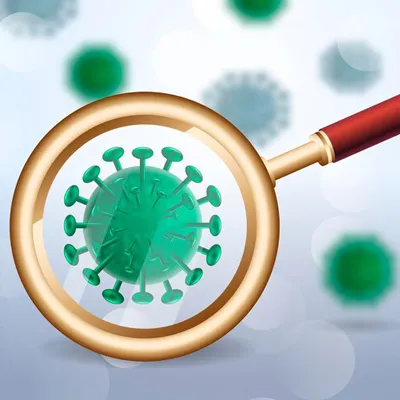
Ensuring viral safety is an important part of maintaining the quality and safety of organic products in the biopharmaceutical field. Four main elements contribute to viral protection: raw material control, convenience and process insulation, detect unexpected viruses and viral clearance. Each of these stages plays an essential role in preventing pollution and protecting patients.
Raw materials, especially obtained from animals, can introduce viruses, bacteria or fungi during production. While the use of plant-based or chemically defined material helps to reduce this risk, it does not completely remove. In facilities, such as handling personnel and material movement and maintaining pest control, further reduces the possibility of pollution.
ICH Q5A on unexpected virus testing of cell banks and wholesale harvesting materials corresponds to the guidelines to confirm that the process is free of viral pollution. Several methods are used, including quantitative PCR such as in-vivo, in-vitro and nucleic acid-based techniques.
In post-production stages, virus is used to remove or neutralize any virus that may still be present. Together, these measures create a layered approach to reduce viral risks during biopharmaceutical production. This article undergoes changes in current identification methods and rapid molecular techniques.
To Detect Unexpected Virus: in vitro Assays
In vitro assays are usually used to screen for unexpected viral contaminants in the biopharmaceutical industry. These cell culture-based methods are wide in the area, but are not virus-specific. Typically, a test sample is used of at least three types of indicator cell lines, which are selected based on the origin of the nature of the production cell line. These include the same species (e.g. CHO-K1), a human diploid line (e.g. MRC-5) and a cell line from a non-human primary line (e.g. Vero). Cells are seen more than 14 or 28 days for signs of viral infection, such as cytopathic effects (CPE), hemadsorption, or hemagglutination.
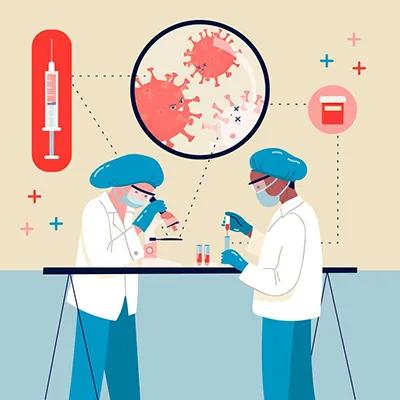
While in vitro assays can detect a wide range of known and unknown infectious viruses, they have many limitations. They are only effective for viruses affecting cells in specific methods. The viral families that do not cause CPE, hemadsorption, or hemagglutination cannot be detected. The latent viruses also present a challenge, as they require specific triggers to start replication and be detected.
Another matter is the ability to false positivity. These can occur when the sample itself is toxic to cells, which mimic viral effects. If a real virus is present, further tests are required to confirm and identify it. This process can be time-consuming and require many analytical techniques.
Real-Time or Quantitative PCR to Detect Virus:
Real-time or quantitative PCR is a widely used method of detecting specific viral means in biopharmaceutical processes. These assays are fast and very sensitive, suitable for them to identify a well-known virus such as mouse minute virus (MMV) or Vesivirus. When combined with cell-based assays, the qPCR can support the target virus detection, provided that appropriate primer, probe or commercial sets are available.
However, qPCR has limitations. The unique identification equipment requires prior knowledge of the genetic sequence of the virus, which limits the use of the known virus. It is not suitable for identifying novels or unknown viral agents and can only detect certain subtypes of the virus. Another deficiency is the inability to distinguish between infectious and non-infectious viral materials. False positive results are also in the danger zone, often due to positive control or pollution from test materials. Using well-designed positive controls can help reduce this risk.
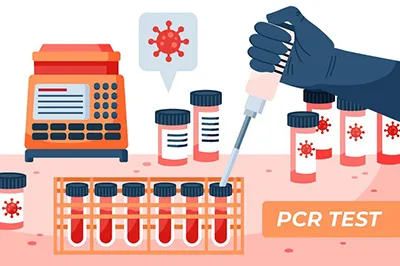
Despite these challenges, qPCR is still a useful tool for quick screening of the famous virus. It can produce results in less than one day, and help handle the risk of pollution before harvesting bulk material.
Next Generation Sequencing (NGS) to Detect Virus:
Ways to detect traditional viruses, such as in vitro assays and PCR, have some limitations. These include long testing, requirements for prior knowledge of viral goals and inability to detect viruses that do not cause specific visual effects such as cytopathic effects, haemadsorption, or haemagglutination. As a result, there is a growing demand for sharp, broad properties to detect known and unknown viruses.
The next generation sequencing (NGS), also known as a parallel sequencing or deep sequencing on a large scale, addresses many of these challenges. It is a method of high-throughput that sequences millions of DNA or RNA pieces at the same time, without relying on Sanger-based techniques. This allows analysis of genetic materials from host cells, viruses and microbes present in a sample.
A great advantage of NGS is the ability to detect a wide range of viruses, including novels and unexpected agents, without the need for prior knowledge of its genetic sequences. Those who follow the section will find out how NGS is used to support viral safety in biopharmaceutical production.
Detection of Advanced Virus:
The next generation sequencing (NGS) has largely advanced the field of genetic analysis by enabling the rapid generation of large versions of sequencing data. Compared to the first sequencing effort, which takes many years and sufficient resources to complete the same human genome, current technologies allow laboratories to treat dozens of genomes during a day to a fraction of historical costs.
Sequencing Platform:
There are several platforms available for the next generation sequencing (NGS), each with separate engineering facilities and sequencing chemistry. These differences result in specific strengths and limitations based on the application. Some platforms provide long-term reading lengths, which are suitable for the entire genome sequencing, although they may be associated with high error rates. Others focus on rapid processing with high throws, but small genetic materials such as viral genomes use small readers useful for sequencing. Third generation sequence, which is more compact and offers fast time, is also used quickly. The duration of sequencing may be different from a few hours to several weeks, which depends on depth, throwing and system. NGS has changed genome sequencing, which makes it widely available in research, health care and industry settings.
Overview of NGS Workflow:
The use of the next generation sequencing (NGS) then begins with the extraction of nucleic acid (DNA and/or RNA) from the procedure sample, to detect unprotected viral contaminants in unprotected bulk crop materials. For DNA analysis, DNA is broken into pieces of defined sizes using enzymes or mechanical methods. These parts are then used to create a sequencing library, which represents the DNA material for the sample. Millions of sequencing readings are produced from this library during the sequencing phase.
For RNA-based analysis, RNA is converted to complementary DNA (CDNA) using the first converted transcripts. CDNA is then treated through the same stages of DNA, including the preparation and sequencing of the library.
An essential part of the NGS process is bioinformatics analysis. When it comes to virus detection, sequencing data is first connected to a reference genome, such as the production cell line. Then, data is compared to a viral sequence database to identify potential viral contaminants.
Challenges of Using NGS to Detect Viruses in Biopharmaceuticals:
Using NGS to detect unexpected viruses in biopharmaceutical agents presents more challenges. These include high costs for equipment, reagents, data storage and special treatment of bioinformatics equipment and expertise. Complex workflows also require complete verification of procedures and systems to adapt to GMP flu settings. Getting regulatory approval is another significant obstacle.
Test Material for NGS by the Detection of Virus:
Different materials can be tested for unexpected viruses using NGS including raw materials, cell lines, bulk crops and viral seed populations. Animals can reveal the source of components, such as serum, viral genetic materials. Although NGS cannot distinguish infectious from non-infectious viruses, it helps to monitor viral appearance and variations in the production process.
Sample Preparation for NGS:
NGS allows you to detect a wide range of virus types, but effective sample preparation is required. It is important to choose the right matrix as a cellular pension, supernatant or pellets, as each has benefits and limitations. High levels of hosts DNA can interfere with the detection of viral, and the sample can be false negative from bias. Proper method development helps solve these challenges.
Bioinformatics:
After sequencing, bioinformatics information science is used to analyse data by adjusting sequences in reference or viral database. These database masters or work cells can occur from public sources such as GenBank. It is important to identify positive readings or "hits", and confirmation should be used for orthogonal methods such as PCR or infectivity assays.
Regulatory Guide:
The use of NGS to detect the brave virus still comes from a regulatory point of view. European Pharmacopoeia has provided guidance for vaccine production, large-scale parallel sequencing referred to as an alternative or complement to the methods for detecting traditional viruses. Specifically for vaccines while this guide may be relevant to other biology. To solve the challenges, the Parenteral Drug Association (PDA) has formed Advanced Virus Detection Technologies Interest Group (AVDTIG), including industry, regulatory researchers and other stakeholders.
Conclusion
NGS represents a new approach to virus testing, and provides the benefit of unknown or new virus detection without prior knowledge of viral goals. Nucleic acid detection technologies enable the production of huge amounts of sequence data in the relatively short time limit. Although NGS provides the opportunity for wide-range viral detection, challenges remain due to the technical complexity of the large amounts of data and method. Work on solving these challenges includes cooperation between industry, academics, regulatory bodies and technology suppliers.