Ask anyone what’s in their medicine, and they'll probably rattle off the name of the active ingredient. You know, the thing that "actually works." But here’s the reality: that active component often makes up just a tiny part of the pill. The rest? Excipients.
Now, excipients might sound like something you’d gloss over on a label, but don’t underestimate them. They're the behind-the-scenes workers, the ones making sure the drug does what it’s supposed to whether that’s dissolving at the right time, tasting halfway decent, or surviving a six-month journey across the tropics and with pharma constantly pushing into new territory think biologics, personalization, complex delivery systems the humble excipient is suddenly in the spotlight. So, how do formulators choose the right ones? And where is this space heading next?
Choosing Excipients: It’s a Balancing Act
Excipients are like those baking essentials. They are not the star, but you will know if they are missing.
And just like in baking, there’s no single formula. Choosing excipients depends on a few key things.
Function Comes First
Every dosage form whether it’s a tablet, cream, or injection needs excipients to perform specific jobs. Some help the tablet stick together. Others make it fall apart in the stomach. And still others stop the whole thing from crumbling during production.
Here's a snapshot of what some common excipients do:
Table 1: Common Excipient Functions and Their Roles
| Function | What It Does | Examples |
| Binder | This holds ingredients together. | Microcrystalline cellulose, PVP |
| Disintegrant | This helps the tablet break apart after swallowing. | Croscarmellose sodium, starch |
| Lubricant | It reduces friction during production. | Magnesium stearate, talc |
| Sweetener | It improves the taste of oral meds. | Sucralose, aspartame |
| Preservative | This keeps microbes out of liquid/cream formulations. | Parabens, benzalkonium chloride |
| Solubilizer | It enhances absorption of poorly soluble drugs. | Polysorbate 80, cyclodextrins |
The trick is finding the right combo. A formulation might work perfectly in the lab but fall apart at scale or worse, cause unexpected side effects in patients.
Safety, Especially for the Long Haul
Just because something is “inactive” doesn’t mean it is risk-free. In some excipients it has been used for decades, only for regulators to come back years later and raise a red flag. Others, like sugar-based fillers, might be harmless to most but problematic for diabetics.
Even ingredients as common as coloring agents can cause unexpected allergic reactions or sensitivities, especially in children. These challenges are lies in predicting long-term effects across diverse populations. For instance, propylene glycol, widely used as a solvent, has faced scrutiny in pediatric applications due to its accumulation risks.
Though when it comes to children, the elderly, or people on long-term medication, safety becomes even more crucial. What works in a standard adult tablet might be completely unsuitable in a pediatric syrup.
Excipients and Drug Bioavailability:
Some excipients can also protect the API from being broken down by stomach acid or enzymes. Others help ferry the drug across cell membranes or control its release over time. It’s a highly technical game, but the impact on patient outcomes is real and measurable with more drugs targeting conditions like cancer, neurological disorders, and rare diseases where precision and consistency are vital bioavailability-enhancing excipients are becoming a core part of development strategy, not just an afterthought.
Stability Matters (Big Time)
Ever opened a medicine cabinet and found a discolored tablet that smells off? Chances are, the excipients didn’t hold up. They’ve got to keep the drug stable not just on the shelf, but during shipping, in hot climates, and sometimes without refrigeration.
That’s a tall order, especially for biologics and sensitive APIs. And with more pharma companies eyeing global distribution, stability-enhancing excipients are in high demand.
The Human Touch: Taste, Texture, and Taking the Medicine
If a pharmaceutical drug tablet is the size of a small rock or tastes like metal, chances are people won’t stick with it. These excipients help mask unpleasant flavors, smooth out textures, and make medicines easier to swallow or apply.
Think of chewable, dissolving films or easy-to-swallow capsules. These aren't just convenient; they’re made possible by clever formulation, with excipients doing the heavy lifting.
What’s Trending in the World of Excipients?
Excipients used to be the quiet background crew. But not anymore. The industry’s shifting, and excipients are right there with it smarter, greener, and way more versatile than they used to be.
1. Multifunctional Excipients: Simplify, Streamline, Succeed
Today’s formulators love a multitasker. Why use three ingredients when one can do it all? These combine several roles like binding and disintegration into one material. By this simplifies manufacturing and reduces the risk of incompatibility.
Table 2: Traditional vs. Multifunctional Excipients
| Criteria | Traditional Approach | Multifunctional Excipients |
| Number of ingredients | Several | One or two multifunctional agents |
| Processing complexity | High | Lower |
| Stability | Varies | Often improved |
| Common Example | Binder + disintegrant combo | Co-processed excipients like Prosolv® |
Above these ingredients are helpful in continuous manufacturing, where every second counts.
2. The Natural, Clean, and Sustainable
There is a clear push towards excipients that are plant-based, biodegradable, or sustainably sourced. While not only do these meet patient demand for “cleaner” products, but they also help manufacturers meet environmental and regulatory goals.

This think cellulose from wood pulp, alginates from seaweed, or gums from acacia trees. These materials feel more familiar to consumers and they’re often renewable, too.
And this isn’t just a marketing gimmick. Regulatory bodies are starting to care about environmental impact. So excipient sourcing is becoming part of the compliance checklist.
3. Personalized and 3D-Printed Formulations
Personalized medicine isn’t a futuristic concept anymore it’s happening right now. And with it comes the need for excipients that can adapt on the fly.
Let’s say you’re printing a tablet tailored to a patient’s exact dose and release profile. You’ll need printable, stable, and fast-setting excipients ones that hold their shape and still release the drug at the right time.
It’s precision meets flexibility. And excipients are right at the heart of it.
4. Smart Excipients: Targeted, Timed, and Tailored
This one’s especially cool responsive excipients that react to conditions in the body. These so-called “smart” materials can sense pH, temperature, or enzymes and release the drug accordingly.
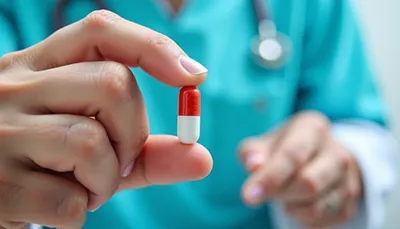
It’s a big win for targeted therapy. By imagine a capsule that stays intact through the stomach and only releases once it reaches the colon. That kind of pinpoint delivery wouldn’t be possible without smart excipients.
Table 3: Examples of Smart Excipients
| Smart Excipient | What It Responds To | Use Case |
| Eudragit® polymers | pH levels in GI tract | Colon-specific drug release |
| The thermo-sensitive hydrogels | Body temperature | Injectable long-acting depots |
| Enzyme-degradable polymers | Specific enzymes | Cancer drugs or enzyme-targeted delivery |
This kind of innovation helps drugs work better and reduces side effects because they only act where they are needed.
Data Is Changing the Game, Too
Traditionally, choosing excipients was part science, part guesswork. Today, formulators use AI tools and predictive models to test combinations virtually. These platforms can flag potential incompatibilities or suggest the best materials based on past formulations.
It's not replacing the scientist but it's definitely helping them make smarter, faster decisions. Especially when time-to-market is tight.
Still a Few Bumps on the Road
Even with all this progress, there are hurdles. For starters, novel excipients don’t have a dedicated approval pathway. They usually have to be submitted as part of a full drug application, which slows things down and puts off smaller developers.
Cost is another issue. Some newer excipients are brilliant but expensive. That’s fine if you’re making a premium cancer drug. Less so if you’re formulating a generic painkiller for mass distribution.
And let’s not forget global regulation. What’s approved in Europe might be restricted in Asia or the US. Formulators have to constantly juggle compliance, function, and patient needs.
Final Conclusion
Excipients have come a long way. Once thought of as passive passengers in a formulation, they have now taken the wheel in many cases driving innovation, improving patient experience, and helping drugs reach new heights of effectiveness.
Whether it is a temperature-sensitive hydrogel or a sustainably sourced binder from seaweed, these “inactive” ingredients are doing very active work.