Rare diseases, although individually unusual, affect more than 400 million people around the world. With rare diseases identified over 7,000, most of which are genetic and often life -threatening, the pressure to develop effective treatment has never been high. However, traditional clinical research models often come down to meet the unique challenges presented by these conditions. Solution? A change to patient-focused research, one approach that actively involves patients in the clinical development process.
Patient focus is more than a discussion; it is a transformation structure that keeps the patient's needs, experiences and insight into the heart of clinical research. In the development of rare disease medicine, this approach is not only favorable but also necessary. By incorporating the patient's voice from the first test design through post-marketing, we can speed up the deadline, improve recruitment and storage and ensure that new funds are both effective and meaningful to those who they target to help.

Unique challenges in rare disease research
Unlike normal conditions, rare diseases face many research and developmental barriers:
• Small and scattered patient population: Identification and registration of patients can be time -consuming and geographically challenging.
• Limited natural history data: Many rare diseases have a lack of basic data on progress, making it difficult to design effective study.
• Regulation complexity: Regulatory agencies require innovative test design and real values due to small test sizes.
• High emotional and economic stress: Families affected by rare diseases often navigate a landscape of uncertainty, hope, and high costs.
These challenges outline the need for more cooperative, informed and sympathetic approaches to patient-focused research.
What is patient-focused research?
Instead of patient-focused research people focus on confusing patients as partners. It includes:
• Understanding their experiences and expectations.
• Design studies around their lifestyle and boundaries.
• Including patient-reported results (professionals) in the form of large closing points.
• Ensure transparency and shared decision-making.
When patients become employees in the process, research becomes more relevant, inclusive and effective.
The benefits of patient focus in rare disease research
1. Better test design and viability
Patients and carefully invaluable insights that can shape more realistic and compassionate study protocols. For example, patients can advise:
• Frequency and placement of clinical trips.
• Tolerance for procedures and interventions.
• Results that matter (e.g., improvement in quality of life rather than just by biomarker).
This response helps to create studies that are less loaded and more attractive, which increases the recruitment and retention rate.
2. Quick recruitment and storage
Recruitment is one of the biggest obstacles in rare disease tests. A patient -focused approach:
• Construction of faith through openness and respect.
• Commitment engagement through speakers and social leaders.
• The patient reduces the dropout rate by adjusting test requirements with abilities.
In one case, a biotechnical company is the development of a test protocol with a rare disease foundation, resulting in full registration within the week-a process that usually occurs for months or years.
3. Increase in data relevance
The clinical closures often remember the whole picture. By incorporating patient -reported results and data from the real world (RWD), researchers can assess the effect of real life of a treatment.
For example, a dynamic reform medicine may have limited average clinical consequences, but if patients are reported to report or be able to return to school, the effect is undisputed.
4. Better regulatory results
Regulatory agencies such as the FDA and EMA quickly recognize the value of patient entrance. FDA's patient-focused drug development (PFDD) and EMAS Patient Engagement Overview encourages sponsors to integrate the patient's approach.
The submissions involving patient -focused evidence may benefit from rapid review, greater flexibility and even rapid approval routes.
5. Ethical responsibility and trust
Rare disease patients often feel as experimental subjects. A patient-centric model changes them as respected partners. This promotes long-term faith and a sense of shared purpose.
Ethical tests that prefer dignity and communication ensure continuous social support, which is essential in the small, densely rare disease population.
Important strategies to implement patient -focused research
1. Initial and continuous commitment
The patient's busy should begin under pre-preliminary or planning stages and should continue through the test. Strategy includes:
• Advisory boards with patients and caregivers.
• Listen to the session or focus group.
• Med design of study material.
Initial engagement illuminates practical insight that can ignore researchers.
2. Use of technology
Digital health equipment, such as portable equipment, ePRO (electronic patient-reported results), and telecommunications trips can reduce travel load and collect real-time data.
Virtual or hybrid tests are particularly valuable in rare disease society, where patients can stay away from clinical sites.

3. Partnership with legal groups
Patient lawyer organizations are important bridges between research and patient communities. Provides cooperation with them:
• Now registers and patients reach the database.
• Educational resources.
• Recruitment support and social sighting.
This participation also ensures that research is in accordance with the actual requirements and values in society.

4. Custom communication and education
Clear, sympathy, and analog communication strengthens patients. The study should be material:
• Written in regular language.
• Culturally sensitive.
• Available in many formats and languages.
They are more likely to be well-informed patients to participate and stay engaged.
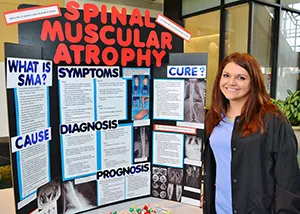
Case Study: Spinal Muscular Atrophy (SMA)
The development of gene therapy for spinal muscular atrophy (SMA) is a good example of patient-focused success. The legal groups played an important role:
• Provide natural history data to support test design.
• Global patient recruitment facilities.
• Educate families and encourage participation.
Future approach
Since science continues to unlock the ability of genomics, biomarkers, and AIS in rare diseases, patient focus should develop in parallel. Future innovations may be involved:
• Decentralized tests are suitable for ultra-capable conditions.
• AI-producing privatization of test protocols.
• Integration of social determinants for health testing.
Despite equipment or technology, the foundation stone will remain the human connection. Rare diseases ensure that innovation is directed by sympathy, relevance, and equity.
Conclusion
Rare diseases in the high today's world of clinical research, patient-focused, are not optional is a catalyst for meaningful progress. By evaluating the patient's voices, designing inclusive tests, and taking advantage of partnerships, the research community can remove traditional obstacles and bring effective treatment to the market quickly.
Strengthening patients as co-consultants for their therapeutic journey not only intensify the discovery, but also restores and expects dignity to navigate the complications of rare diseases. The future of rare disease research is not just in the laboratory; it is heard.