

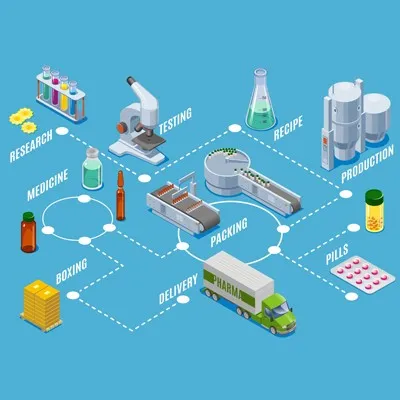
Never before have pharmaceutical logistics and distribution been more important to the health of people and to business continuity. With the recent measures of increasing complexities in the industry (be it temperature-sensitive biologics or volatile geopolitical conditions), the stakeholders have to implement the agile, transparent, sustainable logistics strategies. The COVID-19 pandemic worked as an accelerator, revealing weaknesses in global supply chains and encouraging faster investments into digitalization, risk management and innovative last-mile deliveries.
The valuable exploration of the most essential drivers transforming the face of the pharmaceutical supply chain logistics and distribution in Europe and other regions, along with how pharmaceutical manufacturing and distribution companies can future-proof their operations.
1. The Evolving Role of Logistics in Pharma Manufacturing
Drug distribution is no longer a back-office operation whose only utility lies in shipping and warehousing. It has emerged as a strategic differentiator, which affects product integrity, regulatory compliance, access to the market, and patient safety.
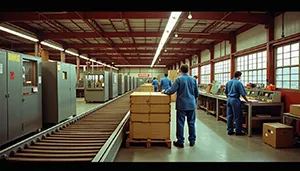
Key Responsibilities Now Include:
• Biologics and vaccine cold chain
• Tracking and traceability in real-time
• Optimization of inventory in the international distribution systems
• Compliance with many jurisdictions
• Disruption risk management under geopolitical, environmental or pandemic events
2. Challenges in Pharma Logistics & Distribution
a) Cold Chain expansion and temperature Control
Cold chain logistics has been a concern as there is an expanding demand in Biologics, Biosimilars, and mRNA-based therapeutics. Its temperature excursions may cause loss of products and regulatory non-compliance as well as endanger the patient.
Key Challenges:
• Transporting at ultra-cold temperatures
• Low-income and middle-income countries do not have sufficient infrastructure.
• Delays in innovation of packaging and insulation processes in relation to the product demand
b) Supply Chain Visibility & Traceability
The absence of end-to-end visibility is still dragging its feet in efficiency. Manufacturers find it difficult to track stock, forecast stock-outs or follow products in recalls without integrated systems.
c) Regulatory Complexity
Depending on the region in which the firm is operating, it is required to adhere to diverse regulations like EU GDP (Good Distribution Practices), US FDA regulations, and national regulations on pharmacovigilance. The regulatory burden is increased by the scope of global expansion.
d) Exposure and Disruption in Risk
The just-in-time (JIT) models have proved to be vulnerable following the occurrence of events like Brexit, the COVID-19 pandemic, the war in Ukraine, and the Red Sea transportation upheavals. The efficiency required by companies has become a trade-off with resilience.
3. Digital Transformation: Smart Logistics for the Future
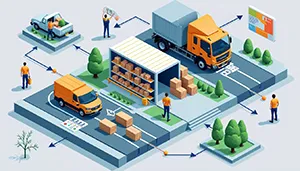
Pharmaceutical logistics are undergoing transformation due to digitalization. Be it AI-enhanced demand forecasting or IoT-inspired temperature tracking, the use of technology is assisting so-called smart and responsive supply chains.
a) IoT, Smart Sensors
• Allow in-transit location tracking of shipment, temperature, and humidity; provide indicators when shocks are felt
• Any breach of the storage conditions reported in real time
• Enhance the safety of patients and minimize spoilage
b) Secure Traceability Blockchain
Blockchain provides a fully transparent and trustworthy history, required in anti-counterfeiting, recall and compliance audits in the supply chain.
c) AI and Machine Learning
• Through AI, predictive analytics is possible to identify the demand to be met and route optimization is also possible
• Assists in identifying the possible risks and bottlenecks before they even occur
• Minimizes wastage by means of intelligent inventory control
d) Logistics Platforms delivered by the Cloud
The platforms will allow manufacturers, 3PLs (third-party logistics providers), and distributors to work within coordinated environments and enhance communication and visibility.
4. Sustainability in Pharma Logistics
Pharmaceutical firms are able to incorporate sustainability into the aspects of logistics and distribution as pressure worldwide increases to create greener supply chains.
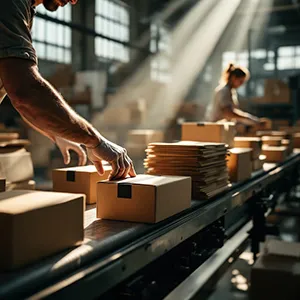
Key Strategies:
• Green Packaging: recyclable, biodegradable, reusable thermal packaging is used
• Optimization of Transport Routes: Artificial intelligence data on fuel use minimalization
• Carbon Offset Programs: collaborating with logistics and others in carbon offsetting
• Modal Shift: Shifting back to rail and sea where possible instead of air freight
A McKinsey report has suggested that sustainable logistics can cut output of the supply chain emissions by as much as 30 percent, which is important in the carbon-intensive drug industry.
5. The Rise of Centralized Distribution Hubs in Europe
The EU is investing in a large number of pharma companies that are establishing centralized, GDP compliant distribution hubs to optimize the regional delivery and satisfactorily comply with regulations.
Benefits:
• A quicker turnover and replenishment cycle
• Regulatory reporting simplified in the EU
• Better movement and management of inventory
• Increased level of service to patients
In such countries as the Netherlands, Germany and Belgium have become favorite destinations owing to their central location and logistics infrastructure.
6. Role of Third-Party Logistics (3PL) and 4PL Providers
Specialized logistics partners are becoming more important to manufacturers, to cope with both complexity and scale.
• 3PLs are providers of warehousing and distribution and transport services
• 4PLs combine and coordinate the whole supply chain ecosystems
Leveraging the logistics can drive pharma companies to concentrate on R&D and production and enhance agility and compliance in distribution by outsourcing to domain experts.
7. Enhancing Last-Mile Delivery in Healthcare
The last leg in the supply chain, last-mile delivery, presents special considerations, particularly for temperature-sensitive clinical materials or those that are high value and need careful control.
Last-Mile innovations:
• RFID and GPS delivery vans
• Temperature-controlled mobile units that would be suitable in a home healthcare environment.
• Hospital and pharmacy network integration
• Ride of drones and autonomous vehicles (at pilot stages)
Delivery models that are patient-focused are becoming more and more relevant, including personalized and at-home treatments.
8. The Impact of Serialization and Track-and-Trace Regulations
Serialization is an essential regulatory challenge in Europe (according to the EU Falsified Medicines Directive). A unique identifier, tamper-proof label and digital record should be on each of the packages.
Implications for logistics:
• A tighter scanning, data log and reporting
• IT systems to be integrated between logistics partners
• Investing in staff training to use regulatory technology systems
Track and trace are growing around the world, such as DSCSA in the US to compliance standards in LATAM and APAC.
9. Resilience Planning: Building Shock-Absorbing Supply Chains
Pharma companies now have emphasized resiliency in the supply chain by focusing on:
• Dual APIs sourcing plans to the key APIs
• Strategic hoarding of first-line drugs
• Reshoring and nearshoring manufacturing nearer markets
• Risk modeling and scenario planning
Future-ready supply chains must meet the new gold standard of agility.
10. Future Outlook: Pharma Logistics 2030
Greater synergy between digital tools, green practices and decentralized distribution is probably what lies ahead in the coming decade. It is expected that developments will be related to:
• Self-driving cars and medicine drones
• Supply chain orchestration AI-led
• The complete use of digital twins in logistical simulation
• Distribution policies across the EU harmonized EU-wide
• Increased applications of personalized delivery solutions
The cooperation among governments, manufacturers, technology, and logistics companies will be the essential element of realizing these developments.
Conclusion:
The pharmaceutical logistics are experiencing game-changing transformation. Pharma manufacturers can achieve not only product integrity and compliance by using advanced technologies, reinforcing collaborations, and distributing sustainably. They can also increase resiliency, cut costs, and improve patient outcomes.
The industry still has to swim out of the traditional, fragmented logistics activities to smart, connected and patient-centered ecosystems that are suitable in a dynamic global environment.
In order to remain competitive, as well as comply with the current environment, where changes happen very fast, pharmaceutical organizations should consider logistics as a strategic initiative and not a back-office operation. It will be necessary to become innovative, to establish cooperative partnerships, and to invest in long-lasting infrastructure.
Furthermore, the incorporation of the ESG principles into any logistics planning would not only minimize the burden on the environment but also meet the rising regulatory and stakeholder demand. Leveraging new digital technologies and responding to the demands of the global situation and sometimes crisis, the speed to adaptation and ability to provide medicines safely, efficiently, sustainably and within a reasonable time will determine the leaders in pharma logistics in the coming decade.