Aseptic manufacturing is the core of the manufacturing of sterile medicines like injections, vaccinations, and eye drops, to name a few—any contamination can be very harmful to the health of the patient. Aseptic manufacturing, unlike terminal sterilisation, in which the final packaged product is sterilised, in aseptic manufacturing, it is each component (such as the container, the closure, and the media to be filled) that is separately sterilised and then chain-assembled in a sterile environment. It requires extreme levels of control of the manufacturing space, sophisticated equipment design, an intense process validation process, and compliance with strict levels of regulatory standards.
The issue of ensuring that a product pathway is sterile when dealing with an open product pathway, plus the necessity to retain production efficiency and satisfy the emerging regulatory demands, compounds the complexity. The facility layout, people's operation, etc., all become possible sources of failure.
1. Environmental and Contamination Control
a. ISO-Class Maintenance
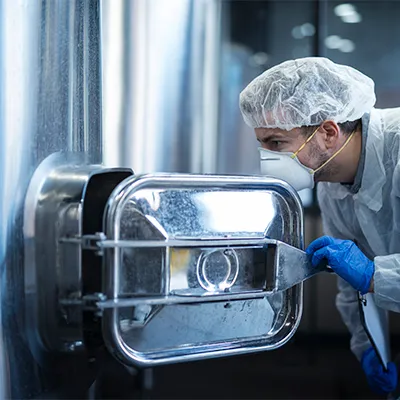
Aseptic production requires an environment that is classified as per ISO standards (e.g., ISO Class 5 representing a critical area, ISO Class 7 or 8 representing the surrounding). Such strict standards can be achieved on the basis of advanced HVAC systems with HEPA filters, laminar air flow, and frequent dynamic and static surveillance. Particulate and microbial contamination should be well bound not to cause a breach of the product.
b. Microbiological Monitoring
One should perform routine environmental sampling through surface swabs and air sampling (passive and active) and personnel monitoring.
Proactive measures and alerting parameters have to be established, graphed and immediately acted upon in case the measurement points are relayed. Nevertheless, the differences in sampling sensitivity and the delay of results obtained pose a problem regarding rapid detection.
c. Cleanroom interruptions
Airflow patterns can be disrupted, and contamination can be introduced even by minor disturbances (e.g. equipment movement, maintenance, or the entry of personnel). The management of all these events involves elaborate changeover guidelines, environmental risk/impact analyses and rapid cleaning and recovery operations.
2. Facilities and Equipment Factors
a. Facility Plan and Layout
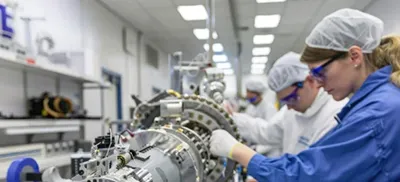
Speaking of the utilization of contamination, a well-designed facility can maximize prevention of cross-contamination and movement of staff by utilizing airlocks, buffers, and functional gowning procedures. The design should segregate sterile and non-sterile cases and apply unidirectional movement of stuff and people.
b. Sterilisation and qualification of equipment
The common techniques are SIP, autoclaving, dry-heat or gamma irradiation. Equipment that comes into contact with the product -and other auxiliary items like tubing or stoppering mechanisms—must be validated bacteriologically as being sterile and also have their compatibility proven. Destructive validation of sterilisation efficacy on biologically contaminated surfaces adds complexity.
c. Automation and Barrier Systems
Isolators and Restricted Access Barrier Systems (RABS) minimize human trafficking in the sterile areas. Overcoming these portends to have increased contamination control but introduces difficulties in validation, maintenance and training of the operator. In addition to this, automation systems should be rugged, easy to operate and qualified to ensure repeatability as well as aseptic integrity.
3. Human Factors and Operational Discipline
a. Personnel Training and Hygiene
Operators are primary contamination risks. Rigorous gowned techniques, aseptic behavior, and frequent training are vital. Behavioral drift (e.g., shortcuts over time) can erode sterility.
b. Human Error and Ergonomics
The complex interaction with aseptic systems like glove ports, gowning, and filling lines can lead to inadvertent initiations of contamination. Ergonomic design and human factors engineering are essential to reduce these risks.
c. Changeover Procedures
The airflow between the batches or the products needs a changeoverwhere there has been a stabilization of air, cleaning and sterilisation which are to be qualified. A non-adherence and rigidity to the given procedures can lead to cross-contamination or viability of microbes.
4. Validation and Quality Assurance Process
a. Media Fill Testing
Media fill tests simulate production using nutrient media instead of product. They must mimic worst-case conditions, including full process duration, personnel, and environmental conditions. Passing criteria are stringent; any contamination is considered failure, and trends over time must be carefully tracked.
b. Sterility Testing and Holding Times
Testing finished batches is statistically limited and cannot guarantee absolute sterility. Determining safe product holding times, especially when sterility cannot be assured until final release, is a crucial quality consideration.
c. Lifecycle Management
Regulatory bodies expect ongoing monitoring—via trending, periodic revalidation, and change control—to ensure processes remain in control over time. Managing generational equipment upgrades or process improvements requires robust documentation and qualification strategies.
5. Regulatory Compliance and Documentation
a. Stringent Standards
Depending on jurisdiction, regulations and guidelines that govern aseptic manufacturing include GMP and the FDA Sterile Drug Products Guidance documents or the WHO Technical Report Series. These included specific requirements of the environmental conditions, validation procedures, sterility assurance, and control of contamination measures.
b. Regulatory audits and Inspections
Regulatory inspection—inspections are typically unannounced to examine documentation, media fill data, environmental data, and operator gowning practices. Necessary deviations may result in warning letters or recalls.
c. Documentation Burden
Creating records of all batches—cleaning, sterilisation records, maintenance records, microbial trends, and deviations—is tedious but a necessary requirement. Poor documentation can invalidate an entire batch despite otherwise robust procedures.
6. Supply Chain and Material Handling
a. Component Sterilisation and Integrity
Containers, closures, filtration membranes, and media components have to be delivered sterile and their supply chain audits and sterilisation certificates must be validated. Sterilisation more than once may impact the material integrity and retaining sterile components may cause physiological challenges.
b. The disruptions in the supply chain
Sterile component shortages—due to the global disruptions—can be disruptive or result in hasty supplier qualification and thus non-compliance.
c. Cold chain Management
A number of aseptic products are biologics, needing cold storage. The need to ensure the cold chain throughout the process of manufacture to distribution is also an added complexity, especially in the geographies or transport disturbances.
7. The cost and resource limitations
a. Capital Cost and Operating Costs
The cost of the design and maintenance of aseptic facilities, which require high-grade HVACs, barrier systems, validation equipment and environmental monitoring, is cost-intensive. High operating costs are related to energy, disposables (filters, media, and gowns), and specialist personnel.
b. Labor Shortage
It is difficult to find staff with knowledge in aseptic processing, validation and quality system expertise. This rarity compounds the cost of the recruitment and heightens the need for training.
c. Scalability and flexibility
Changes around the product portfolio, such as newly coming biologic or personalized therapy, require modular and scalable manufacturing systems. These tradeoffs are inherently difficult in ensuring the flexibility of the facility without increasing the costs of the facility designs.
Conclusion
Aseptic manufacturing is critical to the production of sterile drugs but presents a number of difficulties—contamination, regulatory compliance, operational costs, and human factors. The more permanent facility construction, high technology, rigorous training and effective quality culture are the key to success. With the evolving threats to the sterility of products and patient safety, it is becoming increasingly important to adopt flexible systems and continuous change to ensure the sterility of products.