Simple oral tablet and injectable formulations forms of drug delivery are a thing of the past as drug delivery is one of the most resonating frontiers in contemporary healthcare. The method of administration of the therapeutic agents may have a far-reaching impact on efficacy, patient compliance and long-term effects of the treatments. As chronic diseases continue to increase, the population continues to age and healthcare costs continue to rise, drug delivery has become a primary focus of scientists, clinicians and pharmaceutical companies.
Drug delivery has crossed traditional limits and by 2025, nanotechnology, bioengineering, and artificial intelligence (AI) will be driving the development. The combination of the fields of digital health tools, molecular biology and the material sciences has allowed more intelligent, less touting and more personal treatment and therapies.
New drugs and application industries up to 2025
Nanomedicine and Targeted
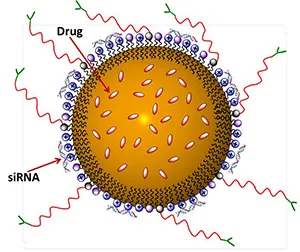
Nanotechnology has changed drug delivery by giving the capability of constructing medications at the molecular scale. Liposomes, nanoparticle drug delivery, micelles, and dendrimers can deliver the drugs straight to the diseased tissues, decreasing the side effects of the systemic ones. Nanoparticle-based chemotherapeutics have achieved great advancement in the field of oncology, where the selective accumulation of cancer remedies in the tumor regions benefits the growth of this treatment. Photo activated NANO-TC can now even silence oncogenes by suppressing them with nanoparticle siRNA or components of the CRISPR/Cas9 system. Of infectious disease response, the lipid nanoparticle was repurposed in the delivery of mRNA vaccines that proved effective and touted real-world scalability following the COVID-19 epidemic. In neurology, experience with nanoformulations to overcome blood-brain barrier is getting around using nanotechnology in disorders forming conditions like Alzheimer and Parkinson where conventional treatment has shown limited results. In 2025, nanomedicine has come out of film blister pack laboratory and into clinical practice, and a few nanoformulations with therapeutic applications are already in usage.
mRNA and Gene Delivery Systems
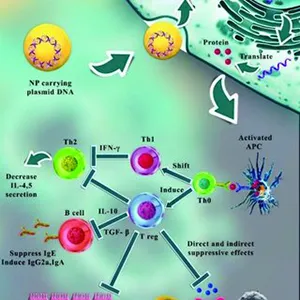
Genetic treatment has been a longstanding research avenue and since mRNA vaccines were so successful, studies thereof are gaining momentum with the issue of delivery still at the fore of it. The main force is Lipid nanoparticles which protect sensitive nucleic acids and achieve cell uptake. Exosomes and extracellular vesicles are being designed as synthetic-nanoparticle alternatives that are biocompatible and of low immunogenicity. To enhance specificity in targeting the target cells and minimize the immunology, viral vectors especially adeno-associated viruses (AAVs) are being modified. Such developments are also facilitating the treatment of genetic diseases like spinal muscular atrophy, hemophilia and uncommon metabolic ailments. By 2025, the clinical pipelines will be complete of gene therapy candidates whose success is based on innovative delivery technologies.
Long-Acting and Depot Formulations
Compliance among patients has never been easy particularly in case of chronic diseases that need the patient to take medication on a daily basis. This problem is being addressed with long-acting injectables, implants, and depot formulations. Recent developments Monthly or biannual injections of HIV-1 Injectable medications as part of antiretroviral therapy have added to adherence and quality of life. The management of diabetes is also changing in that insulin reservoirs which can regulate glucose without the need of injecting it frequently are being put in place. Depot antipsychotics are helping neuropsychiatric disorders as they lower the relapse rates in schizophrenia. Biodegradable polymer development and controlled-release matrix development allow the provision of the therapeutic effects over long periods of time within the minimum interventions.
Smart Drug Delivery Systems
Smart delivery systems are one of the most futuristic elements of the medical sphere. They combine biosensors and stimuli-responsive carrier and feedback in real-time in order to administer drugs only as required. Examples of carriers sensitive to pH include the release of drugs in acidic tumor microenvironments with the preservation of healthy tissue. Polymer or nanoparticle-based glucose-responsive insulin systems are also developed that will automatically release insulin when there is fluctuation in the level of glucose in the blood. Electronic wearables are even being taken further where patch form based wearables design incorporates sensors and micro-needle to deliver and monitor pain free drug delivery. Electronics and pharmacology can be merged in a way, which makes therapeutics dynamically adjust to physiology of the patient.
3D Printing and Personalized Medicine
Additive printing has thrown open the gates to customized therapeutics. Tablet three-dimensional printing enables customization of release rates, dosage strength and even combination of more than one drug in a pill on an individual patient-by-patient basis. Antihypertensives, statins and antidiabetic agents in polypills are being customized to suit patients. In the case of rare conditions, the available drug manufacturing solution is 3D printing which due to the lack of applicability of mass manufacturing, particularly in orphan drug development. Child-friendly formulations, also easy to adapt to dosage requirements per child, are also benefitting pediatric and other medical arts. By 2025, 3D printing in hospital pharmacies and specialised compounding facilities is commencing personalised therapeutics.
Changing Trends after 2025
Integration of AI and Machine Learning
Artificial intelligence is transforming to form part of the drug delivery studies and treatment of patients. Predictive modeling enables the researcher to speculate on the interactions of drugs with biological barriers to cut short the trial-and-error approach in formulation design. Simulations of drugs using digital twins, or patient-specific computational models, will step ahead to the era of personalized therapy with their computational pharmacokinetics and pharmacodynamics. AI-powered wearable clinical monitoring allows the real-time adjustment of drug release profile to adapt to dynamic real-life data continuously. The convergence of artificial intelligence and drug delivery is leading the world of medicine into a genuinely personalised world.
Oral Biologics, Peptide Delivery
By convention, the administration of biologics like antibodies and peptides necessitated injections; this is because this type of biologic degraded quickly in the gastro intestinal tract. Oral biologics are becoming a reality with protective coating innovations, enzyme inhibitors and absorption enhancers. Insulin pills are in active clinical trial stage having the vast potential of treating diabetes without using needles. To prevent activation of the immune system by monoclonal antibodies, new carrying equipment enables their survival through the digestive traversing of a body into the systemic circulation. Gut-specific drug delivery is taking advantage of intestinal transport mechanisms to achieve improved intestinal absorption and efficacy. Oral administration may remove one of the greatest obstacles to patient compliance.
Regenerative medicine and cell-based delivery
Cell-based delivery is a paradigm shift in which living cells are therapeutic agents. Stem cells are generated as biological delivery mechanisms, the cells are designed to not only deliver therapeutic proteins at a disease site but also secrete such proteins. The most recent example of living cells serving as smart medicines that can identify and distinguish between the diseased and normal cells is the CAR-T and CAR-NK types of treatment. Regeneration of damaged tissues is being aided by tissue scaffolds that can be coupled with controlled release of growth substances. This is a paradigm shift as it extends the concept of drug delivery, which consists of inert carriers to that of living and flexible systems.
Delivery Systems that are based on Microbiomes
Gut microbiome is becoming a target and means of therapy. Surprisingly engineered probiotics have the capability to manufacture therapeutic molecules in the intestines on a sustainable, natural method. Candidates are under research in metabolic diseases, in which probiotics release enzymes to control glucose and lipid metabolism. With their effects on the brain, the gut-brain axis is being used to counter neurological disorders as microbiota-derived molecules are able to modify brain function. Microbes intended to deliver immune stimulatory molecules in the direct tumor are under development in oncology. Such a bioengineered approach offers a bright way forward to therapy.
Green Drug Delivery and sustainability
Sustainability is slowly turning into a key risk factor in developing drugs. Environmental impact of continuing to use the drug delivery devices is reduced with the use of biodegradable polymers. The manufacture is reducing the carbon footprint by use of green chemistry. There is insertion of recyclable materials in drug delivery equipment in the form of injectors and wearables. These sustainable activities represent the increasing awareness that healthcare innovation is required to be in line with the world environmental agendas.
Issues and Ethics
Although there has been fast progress, there are still some issues to be overcome. Regulatory systems should be updated in order to stay abreast of the new technologies in deliveries that do not fall in the old categories. The cost is an obstacle as more developed systems can prove to costly to diffuse widely. The safety, the long-term outcomes, and the privacy are prominent ethical concerns on genetic therapies and AI-guided delivery. In addition, fair access is also important because innovations should not strengthen the healthcare difference between high-income and low-income citizens. The balance between innovation, accessibility and ethical responsibility will play a decisive role in defining the real contribution that future drug delivery systems will have.
Conclusion
Drug delivery in 2025 is not simply limited to old fashioned techniques, rather it has now transformed into fast-changing ecosystem developed through nanotechnology, genetic engineering, artificial intelligence, and regenerative medicine. Advances in pharmaceutical sciences like nanomedicine, long-acting formulations, smart delivery systems and 3D-printed drugs are already setting the paradigms of therapeutics. In the future, oral biologics and microbiome-based therapies and sustainable innovations are bound to become the standard of the contemporary drug delivery age.
The future consists in the production of well-tailored, malleable, and convenient therapeutic solutions. Provided with an idea of aligning scientific achievement with ethical and sustainability mindsets, the next few decades can see a healthcare revolution, in which not only will treatments be even more effective, but they will be fairer and more environmentally-friendly.