


What if the future of medicine was faster, smarter, and more precise than ever before? The biopharmaceutical industry is undergoing a revolutionary transformation, driven by groundbreaking scientific discoveries, cutting-edge technology, and evolving regulations. From artificial intelligence accelerating drug discovery to precision medicine tailoring treatments to individual patients, these advancements are reshaping the landscape of healthcare. At the same time, regulatory bodies are adapting to ensure safety, efficacy, and accessibility in this rapidly changing environment. As companies push the boundaries of innovation, they are not only improving patient outcomes but also securing trust in modern healthcare solutions.
AI in Drug Discovery:

A critical factor contributing to this evolution is the increasing integration of artificial intelligence (AI) and machine learning in drug discovery and development. These technologies streamline the identification of novel therapeutic targets, optimize clinical trials, and accelerate time-to-market for new drugs. By leveraging large datasets and predictive analytics, AI enables pharmaceutical companies to enhance drug efficacy and safety while reducing costs and development timelines. AI is also being used to predict patient responses to drugs, helping to develop more targeted and effective treatments while reducing adverse reactions.
Rise of Personalized Medicine:

Another transformative aspect is the rise of personalized medicine, which tailors treatments based on individual genetic profiles, lifestyle factors, and disease characteristics. Advances in genomics, bioinformatics, and precision medicine are driving this shift, allowing for targeted therapies that minimize adverse effects and maximize therapeutic outcomes. The increasing affordability and accessibility of genetic sequencing technologies are further propelling personalized medicine, making it an integral component of future healthcare strategies. The field of regenerative medicine, incorporating stem cell therapies and tissue engineering, is also progressing rapidly, offering new hope for treating previously incurable diseases. Innovations in RNA-based therapeutics, including mRNA vaccines and gene silencing approaches, are expanding treatment options for infectious diseases, cancer, and genetic disorders.
The industry is also witnessing remarkable progress in biomanufacturing. Traditional manufacturing processes are being replaced by more efficient, cost-effective, and sustainable alternatives, including single-use technologies, continuous bioprocessing, and automation. These innovations enhance production scalability, reduce waste, and improve the overall efficiency of biologic drug manufacturing.
3D Bioprinting:
The adoption of 3D bioprinting and cell-free protein synthesis is further revolutionizing the production of complex biologics, ensuring high quality and consistency. 3D bioprinting is being used to develop organoids and tissue models, enabling drug testing and development in a more physiologically relevant manner. The integration of smart factories, powered by IoT sensors and AI, is further streamlining manufacturing operations, ensuring precision and minimizing errors. Automation and robotics in biopharmaceutical laboratories and manufacturing plants are improving precision, efficiency, and scalability. Automated systems are reducing human error, increasing throughput, and enabling real-time monitoring of production processes.
Evolving Regulatory Frameworks for Innovation:
Regulatory landscapes are adapting to accommodate these innovations. Regulatory agencies worldwide are implementing adaptive frameworks, expedited approval pathways, and real-world evidence approaches to foster innovation while ensuring patient safety.
Digital Transformation in Regulatory Processes
The use of digital tools for regulatory submissions, AI-driven pharmacovigilance, and blockchain-enabled transparency in clinical trials are making regulatory processes more efficient and reliable. These advancements facilitate faster drug approvals and enhance patient access to breakthrough therapies.
Enhancing Safety and Decision-Making with Data Analytics
Additionally, real-time data analytics and digital twins are enabling pharmaceutical companies to monitor and predict safety concerns during clinical trials, reducing risks and improving decision-making.
Decentralized Clinical Trials for Greater Inclusivity
Decentralized clinical trials, enabled by digital platforms and remote monitoring, are improving patient recruitment and retention, leading to more diverse and inclusive clinical research.
Advances in Biomanufacturing and Sustainable Practices:

Sustainability is another key focus area in the biopharma sector. Companies are increasingly investing in eco-friendly production practices, waste reduction strategies, and energy-efficient technologies to minimize their environmental footprint. The adoption of green chemistry principles, biodegradable packaging, and carbon-neutral manufacturing processes underscores the industry's commitment to environmental sustainability. Additionally, supply chain optimization through digitalization and predictive analytics is improving resource efficiency and reducing operational costs.
The use of sustainable biomanufacturing techniques, such as microbial fermentation and plant-based biologic production, is further reducing reliance on traditional resource-intensive processes. Pharmaceutical companies are also exploring innovative recycling programs to minimize plastic and hazardous waste. These efforts align with global sustainability initiatives and help meet regulatory requirements aimed at reducing environmental impact.
Digital Healthcare and the Rise of Telemedicine:
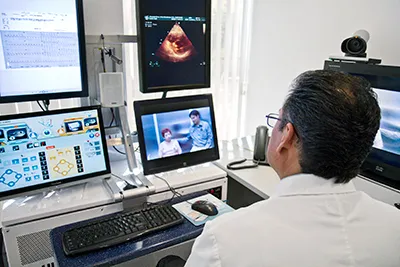
The rise of digital health solutions, including telemedicine, remote patient monitoring, and AI-powered diagnostics, is enhancing patient engagement and treatment adherence. Wearable devices and mobile health applications are enabling real-time health data collection, allowing healthcare providers to offer personalized and proactive care. These advancements are bridging gaps in healthcare accessibility, particularly in underserved regions, and fostering a more patient-centric approach to medicine. Telehealth platforms are integrating AI-driven chatbots and virtual assistants to improve patient interactions and provide real-time medical support.
Digital therapeutics, which use software-based interventions for disease management, are gaining traction as an alternative or complement to traditional treatments. The expansion of biologics and biosimilars is reshaping treatment options for chronic diseases such as cancer, autoimmune disorders, and rare genetic conditions. Biopharma companies are investing heavily in the development of next-generation biologics, including monoclonal antibodies, gene therapies, and cell-based treatments. The increasing availability of biosimilars is enhancing competition, reducing drug prices, and improving patient access to life-saving therapies.
Regulatory Innovations and Industry Challenges:
Biopharma Partnerships and Collaborations
Another crucial development is the growing role of biopharma partnerships and collaborations. Companies are forming strategic alliances with academic institutions, biotech startups, and technology firms to leverage complementary expertise and accelerate innovation. These partnerships facilitate knowledge sharing, risk mitigation, and resource optimization, driving the development of novel therapeutics and medical technologies. The increasing trend of open innovation and data sharing is further expediting drug discovery and development processes.
Investment Trends and Financial Backing
The industry is also witnessing a shift in investment patterns, with venture capital firms and private equity investors showing heightened interest in biopharma startups and cutting-edge research initiatives. Funding for breakthrough areas such as gene editing, RNA-based therapeutics, and immuno-oncology is surging, reflecting the industry's potential for substantial long-term growth. This financial backing is enabling biotech firms to explore novel treatment modalities and expand their pipelines, contributing to a more diversified and innovative drug landscape.
Patient-Centric Evolution in Biopharma
The evolution of biopharma is further influenced by the growing importance of patient-centricity. Companies are increasingly incorporating patient feedback into drug development and clinical trial designs to enhance treatment experiences and outcomes. The integration of real-world evidence and patient-reported outcomes into regulatory and reimbursement decisions ensures that therapies align with actual patient needs. This shift towards patient-centric models is strengthening the trust and engagement between biopharma companies and the healthcare community. The use of digital biomarkers and AI-driven predictive analytics is enabling more personalized treatment plans, ensuring better adherence and improved therapeutic efficacy.
Challenges and Ethical Considerations
Among these advancements, the industry must navigate challenges such as pricing pressures, intellectual property concerns, and geopolitical uncertainties. Ensuring equitable access to innovative treatments while maintaining profitability remains a complex balancing act.
Additionally, the ethical implications of technologies such as gene editing and AI-driven diagnostics necessitate robust regulatory and ethical frameworks to guide responsible innovation. The challenge of cybersecurity in protecting patient data and sensitive intellectual property is also becoming a critical concern, necessitating stronger data protection and compliance measures.
The Future of Biopharma Shaping a New Era in Healthcare:
The future of biopharma is promising, characterized by groundbreaking discoveries and transformative solutions that are reshaping the healthcare landscape. The integration of AI, personalized medicine, advanced manufacturing, regulatory modernization, sustainability initiatives, and patient-centric approaches is setting the stage for a new era of medical advancements.
As biopharma companies continue to push the boundaries of science and technology, their collective efforts will drive improved patient outcomes, enhance global healthcare accessibility, and shape the future of medicine for generations to come. Ultimately, as technological advancements continue to drive innovation, the biopharmaceutical industry is on the edge of a revolutionary era. Companies that embrace these emerging trends and adapt to the evolving landscape will be well-positioned to lead the future of healthcare, ultimately benefiting patients and transforming global health outcomes. Additionally, the continuous evolution of artificial intelligence and machine learning will further optimize drug discovery, manufacturing, and patient care, cementing biopharma’s role as a leader in shaping global healthcare solutions.
Conclusion:
The biopharmaceutical industry is entering a transformative era, where AI-driven drug discovery, personalized medicine, and sustainable biomanufacturing are revolutionizing healthcare. As innovation accelerates, regulatory frameworks evolve, and patient-centric approaches take center stage, the future of medicine is becoming faster, smarter, and more accessible. With groundbreaking advancements shaping the next generation of treatments, biopharma is not just driving innovation but reshaping global healthcare and improving lives for generations to come.