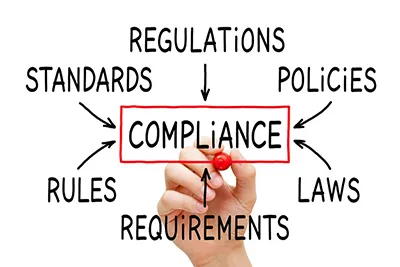
When it comes to the hugely regulated industry of medicine, the costs are inconceivably high. There should therefore be zero failure in compliance since this can result into far-reaching effects such as product recall, legal suits, image trashes, or even patient endangerment. RA is both custodian and facilitator, making sure that all the phases of drug lifecycle are treated with respect to the laid down law, as well as guidelines, and ethical misconduct.
RA is more than a simple administrative gate; it is a strategic capability incorporated within research and development, manufacturing, marketing, and the post-market. Starting with the conceptualization of a new molecule until the time when it reaches the patients, and during its lifetime in the market, RA professionals play a leading role in ensuring that the product falls in line with domestic and international regulations.

Outlining Regulatory Affairs in the Pharmaceutical Sector
Regulatory Affairs in the health sector is a specialty and career profession within the health sector and entails ensuring that a product whether a drug, biologic, medical devices or diagnostics fulfills all expectations and requirements under the regulation and laws that guide development as well as approvals and release into the market. The RA role entails the knowledge of the regulatory requirements, where the development of information, its documentation, and submission to the relevant regulatory bodies such as the FDA, EMA, or PMDA, as well as the communication with regulators and consistent surveillance of compliance, are ensured during manufacture, distribution, and post-market surveillance.
Historical Cardiovascular, RA Perspective and Evolution
The history and discovery of the Regulatory Affairs field dates back to the middle of the 20th century and mainly to high-profile pharmaceutical safety accidents, the most disreputable of which is the thalidomide disaster of 60s. Governments have realized the necessity of concrete supervising of drug development and marketing. During the 1960s to 1980s, strict approval procedures, Good Manufacturing Practice (GMP), and Good Clinical Practice (GCP) structures were set up. By the 1990s, globalisation had led to the formation of the International Council for Harmonisation (ICH), which is intended to harmonise standards between regions. According to the 2000s and the future, RA has launched in digital health, pharmacovigilance, risk management, and advanced therapy medicinal products. The role has moved to being a reactionary compliance role to being proactive and a strategy partner in product development over time.
Drug Development Lifecycle Regulatory Affairs
During the pre-clinical stage, RA professionals work closely with scientists to come up with a regulatory plan that would help pre-clinical studies to satisfactorily achieve the conditions of investigational applications. They also keep track of ethical standards being followed, such as animal welfare and Good Laboratory Practice.
At the phase of clinical development, RA has the responsibility of preparing and submitting clinical trials applications to regulatory bodies and ethics committees. They also make sure that trials being conducted are under Good Clinical Practice and also deal with any amendments to the protocol whenever there is a need to abide by the emerging requirements.
In order to obtain marketing authorization, RA bundles up extensive records on the Common Technical Document protocol and pools safety, efficacy and quality data there. This is because they collaborate tightly with regulatory authorities whenever answers to questions are needed, when inspections have to be carried out and any unresolved matters have to be resolved before authorization.
In post-marketing, RA plays a role in handling pharmacovigilance or reporting of adverse events along with reporting of the same. They revise the labels on products to reflect emerging product safety or efficacy information and keep all licenses and certificates up to date.

International Regulations
The regulations are extremely complicated, multi-jurisdictional, and the pharmaceutical industry falls under them. The RA professionals are faced with the need to deal with different regulations by different agencies, including FDA in the United States, EMA within the European Union, PMDA in Japan, and WHO concerning global health programs. The complexity here lies in the process of handling conflicting needs and linguistic and cultural elements as well as dynamic guidelines. What is considered as acceptable by one regulatory body might not conform to the standards of the other thus there should be proper planning and international harmony.

RA Compliance Strategic Value
Incorporation of RA as early as research and development of a drug will result in all development plans meeting the regulatory expectations and the final result with least chance of unnecessary delays or re-work that cost money. This proactive process even makes it applicable in carrying out a thorough risk benefit assessment and also makes the organization ready to make effective submissions.
The role of RA teams in quality risk management is the ability to examine possible risks involving compliance and set up corrective and preventive measures to cure the problem before it proliferates. They also support innovation through their ability to lead organisations through fast-tracked pathways of priority reviews or condition approvals and through provision of advice on innovative trial designs that are acceptable to regulators.
Compliance after marketing and pharmacovigilance
The obligations concerning compliance do not cease when the drug is approved in the market, in fact, in most instances, they are more complicated. RA post-market roles and responsibilities comprise monitoring of safety signals based on adverse event reports, preparation and submission of periodic safety update reports and maintenance of product labeling to ensure compliance and accuracy. The process of RA involves close work with pharmacovigilance teams to make it clear that any safety concerns are recognised promptly, which keeps the population informed of the products and helps trust the brand.
Digital Transformation and the use of Technology in RA
Use of digital tools has transformed operations of RA. Submission of electronic Common Technical Document has significantly impacted on the paper-loaded dossier and as a result, it has led to faster and more efficient interests. Regulatory intelligence has been introduced based on artificial intelligence which searches the world databank looking for changes in regulations with which the company is concerned. Through data integrity tools, all records are considered to be in adherence with ALCOA+ principles, which will aid in transparency and audit readiness. The digital transition of RA would minimize human error, accelerate the submission process and allow decision-making that is better informed.
RA Professionals Competency Development and RA Training
Pharmaceutical regulation is complex enough to require rather specialized scientific, technical, and interpersonal abilities of RA professionals. They should be well trained in the pharmacology, toxicology, and biostatistics and also have sufficient knowledge of the agency procedures and submission along with it. The ability to communicate, negotiate and cultural awareness is also needed to interact with international regulators. Professional development is becoming the norm in the rapidly evolving regulatory environment that does not allow the option of inactivity.
Morals of RA
Regulatory Affairs does not only imply fulfilling the requirements of the law, it is also, in the sense of standards, ethical. It is the role of the RA professionals to safeguard the safety of patients, make sure products market claims are honest and documented, and lead to transparent data on clinical trials. Even when legal compliance is attained, moral breakdown can hurt the reputation of a firm and lead to its distrust.
Future Trends and Trends
Global harmonization is also expected in Regulatory Affairs in the future as countries collaborate in a bid to standardize the regulatory requirements. There have been a growing number of real-world evidence accepted as part of regulatory submissions, which will necessitate new data collection and analysis methodology. The area of personalized medicine, such as gene and cell therapies, poses new distinction in regulatory issues which should be accommodated in the current framework. Also, the emergence of the remote inspection enabled by the COVID-19 outbreak will transform the manner of compliance demonstration and demand novel strategies of data sharing and validation.
Conclusion
Regulatory Affairs is the front line of pharmaceutical compliance, and conducts products through a maze of national, international requirements all the way through the lab bench to the patient bedside. It is much more than being official; it is a strategic partner that influences the development path, makes markets available and protects the population health. Given the globalization and the need to leverage technology in the pharmaceutical industry, the role of RA is bound to grow even more. Any success in the future will be based on agility and foresight and a firm dedication to both ethical and regulatory excellence.