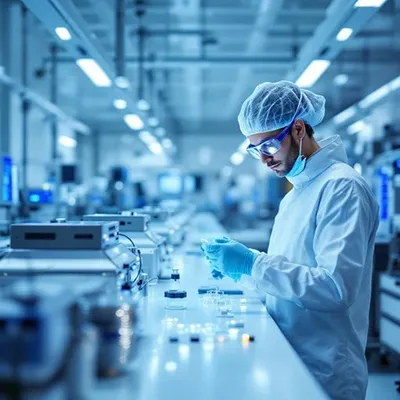
The bioprocessing sector starts pharmaceutical production to develop a significant change, which increases the demand for biologics and construction strategies in the form of new technologies. Innovation in bioprocessing equipment and services improves efficiency, reduced production costs and accelerates the development of essential agents. This change paves the way for a more supple and responsible industry, and ensures rapid distribution of life-saving medicines.
Market Observation and Development Trends
The global market is experiencing sufficient growth for biopharmaceutical process equipment and consumables. By 2023 the value was around $ 36.38 billion and it is expected to reach $ 75.72 billion by 2031. This expansion is driven by increasing the dependence on biopharmaceutical substances, more outsourcing of production processes and rapid progress in individual instruments.
Bioprocess technology sector also sees significant growth. It is estimated to expand significantly over the next decade in 2024, it is estimated to have a significant extension over the next decade, and reaches $ 121.9 billion by 2034. This rapid growth reflects the increasing importance of bioprocessing in drug production and sufficient investment is made to increase production capacity.
Technological Advancements Driving Change
Pharmaceutical production is streamlined in recent successes in bioprocessing. Disposable technologies, automation and continuous processing efficiency and flexibility are among the most important innovations.

- One-time System: Admission of disposable bioreactors and filtration system has reduced the requirement for extensive cleaning and verification by reducing pollution risk while cutting operating costs.
- Continuous Production: Unlike traditional batch processing, continuous production enables continuous workflows, which improves the stability of the product and reduces downtime.
- Automation and Digitalization: Artificial intelligence (AI) and surveillance of real-time allowed integration process control, reduce human intervention and optimize productivity.
Market Trends and Key Drivers
From many factors in this industry, and affect the development and adoption of new technologies.
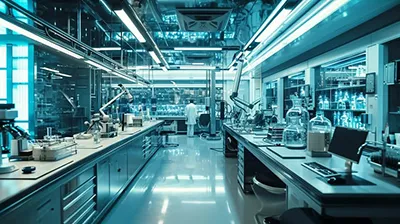
- Increasing Demand for Biologics: Due to increase in chronic diseases and dependence on biologics, including monoclonal antibodies, and cell and gene therapy, is increasing the need for advanced bioprocessing solutions. By continuing this trend is expected to support the development of innovative equipment and services that improve the production of these complex biopharmaceutical substances.
- Expansion of Biopharmaceutical Production Capacity: In many pharmaceutical companies and contract manufacturing organizations (CMOs) expand their production skills to meet the growing demand for biologics. This growth increases the need for advanced bioprocessing equipment and consumption materials to support large-scale biopharmaceutical production.
- Notice the Process Intensity: The process prefers intensity to promote industry productivity and reduce operating costs. This approach involves the use of high cell class cultures and spray systems, which can significantly increase the product's dividend. The modern bioreactors has shown the ability to achieve high productivity levels, which means that small bioreactors are able to match production from the very large systems used the previous decades.
The increasing incidence of chronic diseases and the increase of personal medicine have increased demand for biologics. By to meet this increasing requirement, pharmaceutical companies are investing in scalable and flexible production solutions. Modular features equipped with disposable technologies provide fast adaptability, so that manufacturers can effectively meet the production versions.
Increase in Emerging Markets
Expansion of medicine production facilities in emerging markets contributes to the development of bioprocess technology. In these regions become an important center for biopharmaceutical production, and provide opportunities for suppliers of bioprocessing equipment and services.
Regulatory Development that Shapes the Industry
Developing regulations affects the future of biopharmaceutical production by ensuring product quality by encouraging innovation.
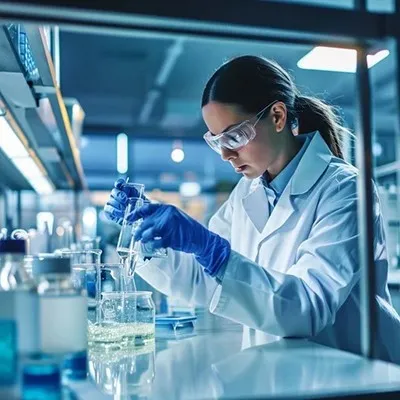
- Support for Continuous Production: Regulatory agencies recognise the benefits of continuous manufacturing, and motivate more companies to detect and implement these technologies. This change develops in process efficiency and product stability.
- Quality by Design (QBD) Implementation: Regulatory bodies emphasise quality according to design principles, produces manufacturers to integrate quality ideas into their procedures from the beginning. This approach is in good agreement with modern bioprocessing techniques, where automation and process checks control stability and compliance.
- Quick Approval Route: Introduction of fast-track regulatory approval for specific biopharmaceutical substances, especially rare diseases and unnecessary medical requirements, increases the demand for adaptable and scalable bioprocessing solutions. These routes enable rapid market access to innovative medicine.
Breakthrough Technologies
Many advanced technologies are determined to reopen the bioprocessing industry, improve efficiency and innovation.
- 3D Bio-printing: Integration of 3D bio-printing extends possibilities in tissue technology and personal medicine. This technique has the ability to change the production of biological structures and tissues, increase research and medical applications.
- Innovation in Gene Editing, Including Gene Editing and Synthetic Biology: CRISPR-Cas9, improves the effectiveness of cell line development for biopharmaceutical production. When combined with synthetic biology techniques, these progress can significantly increase the possibilities of the bioprocessing system.
- Artificial Intelligence and Machine Learning: AI and machine learning are implemented in bioprocessing to adapt fast production processes, predict maintenance needs and increase quality control. These technologies enable more adaptable and intelligent production methods, which have improved better efficiency and product quality.
Market Prospects
The pharmaceutical bioprocess equipment and service market are prescribed for continuous development, supported by many important factors that form the future.
Most important drivers are increasing investment in research and development (R&D) in the biopharmaceutical field. The industry assigns much more resource for other areas, such as aerospace and defense, highlights its strong attention to technological advances and innovation. This adequate investment expects to speed up the development of advanced biomanufacturing technologies, increase production efficiency and support the creation of the next generation of funds.
Strategic Participation and Consolidation of the Industry
The bioprocessing sector is experiencing enlarged cooperation and consolidation as companies aim to strengthen their abilities and expand the presence of the market. By this participation focuses on promoting biotechnology processes and developing innovative medical solutions so that companies can adapt to production and increase efficiency.
Challenges and Opportunities
Despite a promising market method, there are some challenges. Important capital investments required to use advanced bioprocessing technologies, especially continuous processing systems, can be a barrier for small companies. However, this challenge also runs new opportunities, such as equipment contracts, shared production facilities and alternative business models that help to reduce financial stress by enabling access to state technology.
Regional Growth Opportunities
The Europe Region is expected to experience the highest growth in the coming years, which is inspired by increasing investments in biopharmaceutical production and increasing demand for biology. At the same time, the United States is still leading upstream of bioprocess, supported by rough regulatory structures and new techniques.
Future of Bioprocessing
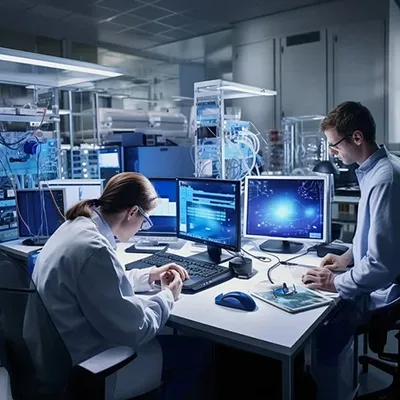
The convergence of state-of-the-art technologies and innovative bioprocessing strategies are determined to redefine drug production. With continuous adoption of automation, AI-operated analyses and flexible production platforms, the industry has been well distributed to distribute high-quality biology more efficiently. As this develops, the future of bioprocessing promises to be more durable, cost-effective and responsible for global needs for health care.
Sustainability in Bioprocessing
The industry uses environmentally friendly practice to reduce environmental impact, such as biodegradable disposable components and energy-efficient systems.
Supply Chain Flexibility
Companies provide diversity to production and suppliers to prevent resolution and ensure stable supply of raw materials.
AI and Future Indication Analysis
Floating of future-because maintenance and digital twins increase the efficiency of process, reduced costs and improve the quality of the product.
Biosimilars and Cost Pressure
Increasing demand for biosimilars is running cost-effective bioprocessing solutions, where regulator support enables market entrance to quickly.
Conclusion
The pharmaceutical bioprocess equipment and service sector undergo a major change, which is inspired by progress in disposable technologies, continuous processing, automation and digitalisation. By this innovation makes biopharmaceutical production more efficient, flexible and cost-effective. As the industry evolves, the role of bioprocessing in shaping the future of drug addiction will be further strengthened by the ongoing technological progress, strategic partnership and the extension of the market.