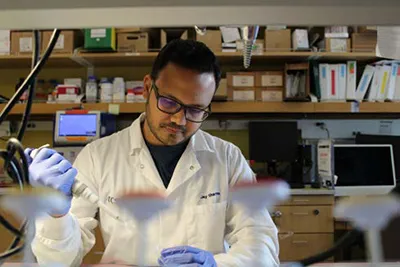
Gene and cell therapies have emerged as groundbreaking treatment strategies that revolutionize the medical landscape, offering hope for conditions once deemed incurable. Rooted in understanding and manipulating the fundamental building blocks of life—our genes and cells—these therapies stand at the forefront of a new era in medicine. It is exciting to witness first-hand the significant progress, challenges, and potential that gene and cell therapies bring to the treatment table.
Understanding Gene Therapy
Gene therapy aims to correct genetic defects at their source. Traditional medicine often tackles the symptoms of a disease or its outcome. In contrast, gene therapy addresses the underlying genetic errors that cause diseases. Think of it as editing a badly typed document where the genetic code is the text, and gene therapy is the sophisticated editor that corrects the mistakes.
Somatic Cell Gene Therapy
Somatic cell gene therapy focuses on correcting genetic defects in the body's non-reproductive cells. Scientists can introduce new genes to replace defective ones, repairing the defect that causes the disease. This strategy has shown promise in treating various genetic disorders. For example, cystic fibrosis, caused by a mutation in the CFTR gene, leads to severe respiratory and digestive problems. By introducing a correct version of the CFTR gene into the somatic cells of patients, scientists can restore normal function and significantly improve the patient's quality of life.
Muscular dystrophy, another genetic disorder, causes progressive muscle weakness and degeneration. Somatic cell gene therapy offers hope by introducing healthy copies of the dystrophin gene into muscle cells, helping to regenerate muscle tissue and restore function.
Somatic cell gene therapy is also making strides in the treatment of Severe Combined Immunodeficiency (SCID), commonly known as "bubble boy disease." Infants born with SCID have severely compromised immune systems, leaving them vulnerable to infections. Gene therapy can introduce a functional gene into the bone marrow cells, enabling the body to produce immune cells and drastically improve the patient's ability to fight infections.
Germline Gene Therapy
Germline gene therapy targets reproductive cells—sperm and eggs. Unlike somatic cell therapy, changes made in germline cells are heritable, meaning they get passed down to future generations. While this approach promises the potential to eradicate certain genetic diseases from a family line altogether, it is fraught with ethical implications and significant technical challenges.
The notion of editing human embryos raises questions about consent, unintended consequences, and the potential for "designer babies." Thus, germline gene therapy remains a topic of intense ethical debate and regulatory scrutiny. Despite its potential to eliminate hereditary diseases, its clinical application is limited by these ethical and societal considerations.
Precision Tools: CRISPR-Cas9
The advent of CRISPR-Cas9, a revolutionary genome-editing tool, has expanded gene therapy's horizons. Developed by Jennifer Doudna and Emmanuelle Charpentier, CRISPR-Cas9 allows scientists to make precise, directed changes to the DNA of living organisms. The technology is akin to a pair of molecular scissors, cutting the DNA at a specific location so new genes can be added, existing genes can be modified, or defective genes can be deactivated.
CRISPR-Cas9 technology has provided researchers with unparalleled control over gene editing. Its applications span a wide array of diseases, from autosomal recessive disorders like sickle cell anemia and cystic fibrosis to more complex conditions such as cancer and heart disease. Early clinical trial results have been promising, with some patients showing significant improvements.
For instance, in sickle cell anemia, a disease caused by a single point mutation in the HBB gene, CRISPR-Cas9 can correct the mutation in hematopoietic stem cells. These edited cells can then repopulate the bone marrow, produce healthy red blood cells, and alleviate the disease’s symptoms.
Despite its potential, CRISPR-Cas9 presents challenges. Off-target effects, where unintended parts of the genome are edited, remain a concern. Ethical and regulatory hurdles associated with editing the human genome necessitate careful consideration and thorough validation before widespread clinical application.
Harnessing the Power of Cells: An Overview of Cell Therapy
While gene therapy focuses on correcting genetic defects at the molecular level, cell therapy uses the cells themselves as therapeutic agents. The concept behind cell therapy is simple yet profound: introducing new, healthy cells into a patient’s body to replace or repair damaged tissues.
Hematopoietic Stem Cell Transplantation (HSCT)
HSCT is a well-known form of cell therapy that transplants hematopoietic stem cells, typically sourced from bone marrow, peripheral blood, or umbilical cord blood, into a patient. These stem cells differentiate into various types of blood cells, making them invaluable in treating various hematologic disorders.
HSCT has become a standard treatment for diseases such as leukemia, lymphoma, and multiple myeloma. For patients with these blood cancers, high-dose chemotherapy often destroys the bone marrow's ability to produce healthy blood cells alongside the cancerous cells. By transplanting healthy hematopoietic stem cells, doctors can restore the patient's ability to produce blood cells and rebuild the immune system.
Chimeric Antigen Receptor T-Cell (CAR-T) Therapy
CAR-T therapy marks a significant advancement in immunotherapy. This innovative therapy reprograms a patient's T cells to recognize and attack cancer cells. By genetically modifying T cells to express chimeric antigen receptors (CARs), scientists have empowered these immune cells to identify specific proteins on cancer cells' surface, enhancing the body's natural ability to fight cancer.
The CAR-T therapy process begins with the extraction of T cells from the patient's blood. The T cells are then genetically engineered in the laboratory to produce CARs that target a specific protein on the cancer cells. Once the modification is complete, the CAR-T cells are expanded to large numbers and infused back into the patient.
CAR-T therapy has shown remarkable success in treating certain types of blood cancers, particularly acute lymphoblastic leukemia (ALL) and certain B-cell lymphomas. The therapy has demonstrated the ability to achieve long-lasting remissions in patients who have exhausted other treatment options. CAR-T therapy represents a new frontier in cancer treatment, providing hope for patients with otherwise limited options.
Despite its success, CAR-T therapy faces challenges that need addressing. The process of engineering and expanding CAR-T cells is complex and costly, limiting its availability. Additionally, there are risks of severe side effects, including cytokine release syndrome and neurotoxicity, which necessitate careful patient monitoring and management.
Regenerative Medicine: The Next Frontier
Branching out from general cell therapy, regenerative medicine represents a futuristic approach to healing. Instead of merely treating symptoms or slowing disease progression, regenerative medicine aims to restore normal function by harnessing the body's inherent ability to heal itself. Central to this approach is using stem cells to regenerate damaged tissues and organs.
Stem cells possess the unique ability to self-renew and differentiate into various cell types. Pluripotent stem cells, for instance, can give rise to any cell type in the body, making them a powerful tool for regenerative medicine. Scientists are exploring ways to use these cells to repair or replace damaged tissues in conditions such as Parkinson's disease, spinal cord injuries, heart disease, and diabetes.
A Case in Point: Regenerating Cardiac Tissue
Heart disease remains a leading cause of morbidity and mortality worldwide. When heart tissue is damaged, such as during a myocardial infarction (heart attack), the body has a limited ability to regenerate lost tissue. Instead, the damaged area is replaced with scar tissue, which can impair the heart's function.
Scientists are investigating ways to use stem cells to regenerate cardiac tissue and improve heart function. Early-stage clinical trials have shown injecting stem cells directly into the damaged heart muscle can promote new blood vessels and improve cardiac function. While these findings are promising, more research is needed to optimize the delivery methods and ensure the long-term safety and efficacy of stem cell-based therapies for heart disease.
Overcoming Challenges and Ethical Considerations
Despite the significant progress in gene and cell therapies, several challenges must be addressed before these treatments become widely available.
Safety Concerns and Regulatory Hurdles
Primary among these are safety concerns. Adverse effects, such as immune reactions or unintended consequences of genetic modifications, necessitate rigorous testing and monitoring to ensure patient safety.
The regulatory landscape for gene and cell therapies is complex and ever-evolving. Regulatory agencies like the U.S. Food and Drug Administration (FDA) and the European Medicines Agency (EMA) have established frameworks for evaluating these therapies' safety and efficacy. However, the rapid pace of innovation often outstrips regulatory processes, creating the need for adaptive and forward-thinking regulatory approaches.
High Costs and Access to Treatments
Cost presents another major challenge. Developing and administering gene and cell therapies are resource-intensive, contributing to high treatment costs. Ensuring access to these life-saving therapies will require innovative solutions to reduce costs and increase affordability. Collaborative efforts between governments, industry stakeholders, and healthcare providers are essential to finding sustainable ways to finance and deliver these therapies.
Ethical Considerations
Ethical considerations also play a significant role in the development and deployment of gene and cell therapies. Germline gene editing raises profound ethical questions about unintended consequences, consent, and implications for future generations. A balanced approach that incorporates public engagement, ethical deliberation, and transparent communication is necessary to navigate these dilemmas responsibly.
Personalized Medicine: Tailoring Therapies to Individuals
One of the most exciting aspects of gene and cell therapies is their potential to usher in an era of personalized medicine. Unlike traditional approaches that apply a one-size-fits-all treatment model, personalized medicine tailors therapies to individuals' unique genetic and molecular profiles.
Advances in genomic sequencing and bioinformatics have enabled researchers to identify specific genetic mutations and molecular markers that drive disease. This knowledge allows for the development of targeted therapies that address the root causes of the disease in each patient.
In oncology, for instance, molecular profiling can identify specific mutations that drive cancer growth, enabling the selection of targeted therapies that are more likely to be effective and less likely to cause side effects. Personalized medicine holds particular promise for rare genetic disorders, as it allows for treatments that address the precise genetic mutations in each patient.
A Vision for the Future
As we look to the future, the potential of gene and cell therapies appears boundless. Researchers continually uncover new applications and refine existing approaches to maximize these technologies' therapeutic benefits. Collaborative efforts between academia, industry, regulatory bodies, and patient advocacy groups are essential to accelerate progress and translate research into clinical practice.
Newer Gene Editing Techniques
One area of ongoing research is developing gene-editing techniques that go beyond CRISPR-Cas9. Newer tools, such as base editors and prime editors, offer even greater precision and flexibility in genome editing. These advancements could expand the range of genetic conditions that can be effectively treated and minimize the risk of off-target effects.
Improved Delivery Mechanisms
Efforts to improve delivery mechanisms for gene and cell therapies are also ongoing. Viral vectors, nanoparticles, and biomaterials are being explored as delivery vehicles to ensure that therapeutic genes or cells reach their intended targets safely and efficiently.
Integrating Gene and Cell Therapies into Routine Practice
The ultimate vision is a future where gene and cell therapies are integrated seamlessly into routine medical practice. Imagine a world where genetic diseases are diagnosed and treated at birth, where damaged organs can be replaced with bioengineered tissues, and where personalized treatments offer targeted solutions for complex conditions. While this vision may still be on the horizon, the progress made over the past decade suggests it is within reach.
Conclusion: A New Paradigm in Medicine
Gene and cell therapies represent a paradigm shift in treating diseases. These innovative approaches address root causes at the genetic and cellular levels, offering transformative and potentially curative treatments. Senior scientists in the field express both humility and excitement about the progress made and the possibilities that lie ahead.
The journey from groundbreaking research to clinical application presents numerous challenges, but the potential rewards are immeasurable. As researchers continue to innovate, collaborate, and navigate the complex ethical and regulatory landscape, they move closer to a future where gene and cell therapies become standard practice rather than exceptions.
This new era in medical science promises to enhance the quality of life for countless individuals and redefine the boundaries of healthcare possibilities. Whether correcting genetic errors, harnessing cellular power to combat disease, or utilizing regenerative medicine for healing, gene and cell therapies hold immense potential. Ongoing research, ethical deliberation, and collaborative efforts will unlock the full potential of these therapies, paving the way for a brighter and healthier future.
REFERENCES:
1. Cavazzana, M., Thrasher, A. J., & Mavilio, F. (2018). Gene therapy: Has the time come? Nature Reviews Immunology, 18(11), 725-736.
2. Doudna, J. A., & Charpentier, E. (2014). The new frontier of genome engineering with CRISPR-Cas9. Science, 346(6213), 1258096.
3. June, C. H., O’Connor, R. S., Kawalekar, O. U., Ghassemi, S., & Milone, M. C. (2018). CAR T cell immunotherapy for human cancer. Science, 359(6382), 1361-1365.
4. Trounson, A., & McDonald, C. (2015). Stem cell therapies in clinical trials: Progress and challenges. Cell Stem Cell, 17(1), 11-22.
5. Yin, H., Kauffman, K. J., & Anderson, D. G. (2017). Delivery technologies for genome editing. Nature Reviews Drug Discovery, 16(6), 387-399.
6. Porteus, M. H., & Carroll, D. (2005). Gene targeting using zinc finger nucleases. Nature Biotechnology, 23(8), 967-971.