The Role of Robotics and AI in Pharmaceutical Automation
Kate Williamson, Editorial Team, Pharma Focus Europe
The article examines robotics and AI's disruptive effect on pharmaceutical automation technologies. Through these technologies pharmaceutical development becomes more precise and efficient as well as safer for manufacturing and packaging functions. A discussion of real-world pharmaceutical automation applications and future trends accompanied by benefits and challenges exists within the article.
Introduction:
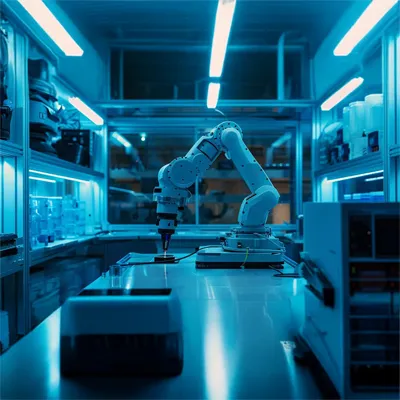
The pharmaceutical industry experiences a revolutionary change while speed, precision and safety remain vital in the current times. What is pharmaceutical automation? The integration of robotics in pharmacy and artificial intelligence (AI) functions as technology to streamline all pharmaceutical processes starting from drug development through distribution. The innovations in pharmaceutical practice present what specific modifications occur to the industry structure. This article examines how robotics contributes to pharmaceutical automation by studying pharmaceutical automation tools as well as the challenges and anticipated directions for drug manufacturing transformation.
Why Is Automation Important in Pharma?

The pharmaceutical industry exists to save human lives. The sector demands extremely high accuracy and operational efficiency as well as absolute safety standards. Pharmaceutical automation implements a range of functions which lowers errors made by humans and boosts productivity while boosting compliance with regulatory standards. Robotics systems show promise for lowering the number of errors that occur within pharmacy practices. Yes! Pharmaceutical robotic arms have taken over repetitive activities including dispensing and packaging and labeling which achieves better accuracy than manual handling.
Healthcare companies urgently need drug production automation systems to handle growing progressive treatment demands. The said transformation proves difficult to execute despite promising appearances.
The Role of Robotics in Pharmaceutical Automation
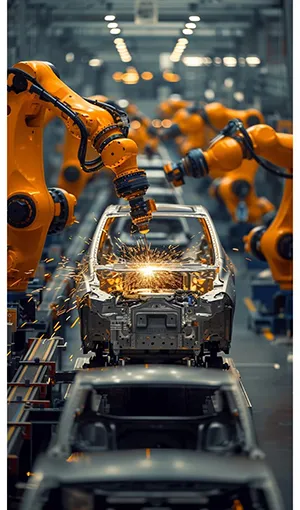
The ways robotics boost pharmaceutical production operate as the central topic of this discussion. The consistent execution of precise pharmaceutical operations is possible because of the features found in pharmaceutical robotic equipment. These machines revolutionize pharmaceutical processes through automated pill dispensing and robotic process automation processes within the pharmaceutical industry.
Let’s take a look at some applications:
- The modern drug manufacturing robots execute exact ingredient mixing operations in addition to tablet pressing functions and blister packaging tasks.
- Robotic solutions deployed by pharmaceutical industry establishments offer sterile operations within aseptic environments which prevents product contamination.
- Pharma robotics systems maintain continuous operation because they run for 24 hours thus they boost productivity while minimizing system standstill.
Real-World Insight: Case Studies of Robotics in the Pharmaceutical Industry
- The implementation of robotic systems at GSK represented the use of pharmacy automation technology to manage tablet packaging tasks. Operations became faster after implementation and labeling mistakes decreased by 95 percent.
- The vaccine vial filling operations at Pfizer implemented smart pharmaceutical machinery to protect the sterility of the vaccines while minimizing human contact.
Operation efficiencies at Roche's Swiss facility increased by 20% through implementing drug manufacturing robots in production areas.
Top Pharmaceutical Automation Solutions
Let’s explore some of the top pharmaceutical automation solutions adopted by leading firms:
| Solution | Functionality | Benefits |
| ABB IRB 1200 | Robotic arms in pharma for material handling | Compact, fast, and clean-room compliant |
| Siemens SIMATIC | AI-driven pharmaceutical automation technologies | Real-time monitoring and control |
| Omnicell XT | Pharmacy automation systems for automated pill dispensing | Increases medication accuracy in hospitals |
| FANUC Robots | Used in drug packaging and labeling | Handles small to large batch operations with precision |
Drug packaging and manufacturing processes employ robotic systems to achieve both increased productivity and enhanced trackability according to these technologies.
Latest Trends in Pharma Automation without AI

The pharmaceutical automation world has numerous important trends without AI that continue to disrupt the field. These include:
- Pneumatic systems for pill sorting
- Conveyor-driven automated pill dispensing systems
- Mechanical arms for blister pack sealing
- Barcode-based verification systems
The pharmaceutical automation tools operate efficiently to improve workflows even without AI involvement because efficient automation systems demonstrate that innovation does not need artificial intelligence for success.
Benefits of Robotics in Drug Development
The use of robotics contributes significant advantages to pharmaceutical drug development process.
- Precision: The exact formulation amounts get delivered through robotic dosing systems.
- Speed: The labs benefit from more efficient testing that uses compound screening at a faster pace.
- Consistency: Reduced variability during trials.
- Sterility: Minimizes contamination risks
Pharmaceutical robotics implements multiple benefits which cut down both costs and time while speeding up the release process of vital pharmaceutical products to market.
Challenges of Automation in Pharma
The implementation of automation in pharma faces various essential difficulties.
- High Initial Costs: Pharmaceutical companies must spend considerable amount to acquire pharma robotics systems and software solutions.
- Regulatory Hurdles: A system installed for automation needs to fulfill requirements set by both FDA and EMA agencies.
- Integration Complexity: Multiple obstacles exist when trying to interconnect robotic process automation tools designed for pharmaceutical applications with these systems maintained before automation.
- Resistance to Change: The combination of worker intimidation about job elimination and insufficient awareness prevents pharmaceutical organizations from implementing new technologies.
The production of pharmaceuticals using robotics faces difficulties because of equipment breakdowns as well as maintenance requirements and continuous software upkeep needs.
Training Required for Robotic Pharma Technicians
Exclusive workforce education stands as a necessary solution for these obstacles. Professional robotic pharma technicians need to complete training that consists of:
- Individuals require knowledge about robotic manipulators that work in pharmaceutical environments and control systems.
- Knowledge of pharmacy automation systems operation and troubleshooting
- Familiarity with safety standards and compliance procedures
- Pharmacists must develop abilities in writing robotic process automation for pharma software code.
The training helps ensure people provide constant supervision to monitor automated systems properly.
How Are Robotic Systems Used in Drug Packaging?
Medicine packaging shows itself as one of the primary uses of robotics in pharmacy. Robotic systems utilize automated systems for pharmaceutical product packaging operations.
- The robotic system performs actions that incorporate both vial and tablet handling through automated blister and bottle insertion.
- The precise application of sealing methods as well as labeling procedures follows.
- Sensor technology scans products for defects as well as mismatches during the process.
- Sort and organize for shipment
A sequence of critical operations enables safe and efficient delivery of medications to their final recipients
Future of Pharmaceutical Robotics: What Lies Ahead?
The combination between artificial intelligence and robotics technologies creates conditions to develop improved automation systems for pharmaceutical applications. The pharmaceutical industry is progressively adopting maintenance procedures based on prediction and quality systems controlled by machine learning as well as self-driven robotic systems that manage warehouse operations.
AI demonstrates the ability to completely eliminate human interaction from pharmaceutical processes. Probably not. A blended method is taking shape across industries to permit computers to manage repetitive processes and let human beings dedicate themselves to developing successful approaches along with creative activities.
FAQs
Q1. What is pharmaceutical automation?
The implementation of technology for standardized pharmaceutical drug development combined with production and distribution enables businesses to enhance efficiency and decrease errors.
Q2. How do robotic arms function in pharma settings?
Pharmaceutical robotic systems perform medication mixing functions and medication transferring and packaging and inspection duties. The technology works in sanitary conditions that require a clean-room environment.
Q3. What are the challenges of robotics in pharmaceutical production?
Higher setup prices and regulatory requirements together with system connection problems and operator expertise requirements are major barriers for robotic pharmaceutical manufacturing.
Q4. Can robotics reduce errors in pharmacy?
Absolutely. Robotics within pharmaceutical operations automates both repeated high-precision tasks and subsequently leads to lower rates of dispensing mistakes and product labeling faults throughout pharmacies.
Q5. What is the difference between AI-based and non-AI-based pharma automation?
The application of AI-based automation makes decisions through machine learning while latest pharma automation trends without AI depend on basic mechanical rules for operating procedures.
Q6. How are robotic systems used in drug packaging?
Automation technology enables rapid and precise execution of medication tasks which includes filling while sealing as well as labeling and sorting the medicines.
Q7. What training is needed for working with pharmaceutical robotics?
The necessary training for robotic pharma technicians must include robotic hardware operations along with software programming skills together with safety regulation practices and Good Manufacturing Practices (GMP) implementation.
.webp)
Kate, Editorial Team at Pharma Focus Europe, leverages her extensive background in pharmaceutical communication to craft insightful and accessible content. With a passion for translating complex pharmaceutical concepts, Kate contributes to the team's mission of delivering up-to-date and impactful information to the global Pharmaceutical community.