The Integration of Genomics into European Drug Development: Advances and Implications
Harry Callum, Editorial Team, Pharma Focus Europe
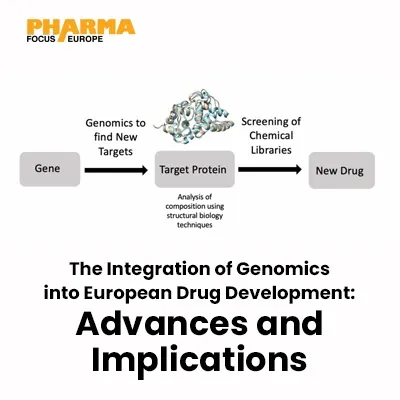
Some applications of genomics are the modernization of drug discovery in Europe, individualized treatments by patients, and administrative assists in clinical trials. In targeted therapies and more precise medicine newer opportunities are made possible with genomic sequencing, pharmacogenomics and gene editing. Thus, though there are ethical and legal considerations that should be taken into account, genomics exhibits more accurate and individualized therapeutic approaches and rational drug design.
Introduction:
Genomics in which genes and their novelty are discovered and taken into account as tools has recently risen as a strong tool in the drug discovery process. Applying genomics into drug development in Europe has therefore provided a way towards more effective and safer drugs. In light of the present analysis, this article addresses how genomics is transforming drug development in Europe and its benefits and prospects.
What is Genomics?
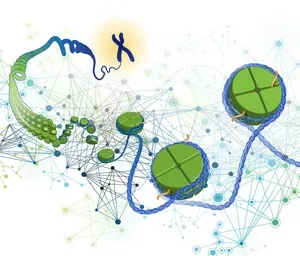
Another relatively recent development associated with genetics is genomics; genomics is the study of an individual’s genome, which is all of his/her DNA. Genetics in contrast to genomics examines not one gene at a time but all of them at the same time. This utility paradigm makes it possible for the researchers to begin to know how these genes work together and how they can affect the human health.
Advances in Genomics
1. Genomic Sequencing Technologies
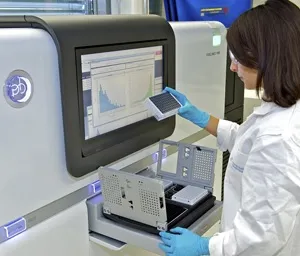
One of the most substantial achievements in the field would have to be high-throughput genomic sequencing technologies. Such technologies like NGS makes it possible for the researchers to sequence entire genomes at very high speed and reasonably cheap. This capability has shortened the time taken to discover new genes and conditions associated with diseases and their biomarkers.
2. Pharmacogenomics
The branch of medicine that deals with how genetic makeup influences an individual to drugs is called Pharmacogenomics. This field seeks to prescribe drugs according to the genetic make up of an individual with an intention of minimizing on cases of drug toxicity as well as enhance the effectiveness of the drugs. In Europe, pharmacogenomics is being considered in drug development and is used to develop personalized medicine by taking into account genetic differences.
3. Gene Editing Technologies
CRISPR-Cas9 system is one of the innovative revolutionizing genomics technologies that have enable de-editing of genomes. These tools assist the researchers to make an assessment and formulation of disease, assessment of possible drug compounds, and formulation of gene therapies. Gene editing already started to be used in Europe as a way to fix inherited diseases and to come up with new therapies.
Implications for Drug Development
Targeted Drug Discovery
The advancements in genomics drive the field of drug discovery by determining certain gene related to the particular illnesses. The molecular target is the ultimate explanation of the genetic roots of a condition; therefore, despite being critically significant, it is an incredibly complex and multifaceted notion. It also increases the chances of finding effective treatments, and shortens the time taken and the cost of developing drugs.
Personalized Medicine
Combining genomics into the drug-development pipeline fosters the true concept of individualized pharmacotherapy known today as «personalized medicine. In essence, through assessing patients’ genetic characteristics, scientists see the possibility to produce medicines that would correspond to specific gene differences. This individual patient approach enhances the probability of effective treatment and reduces the side effects making the therapies to be more efficient and less toxic.
Improved Clinical Trials
Data based on the human genome, can also help in the detailing and conducting of clinical trials. Researchers are able to select the first participants basing on their genetic makeup; this way, the research receives only participants that would benefit from the treatment in question, making the trial more meaningful. It might allow simplifying the overall process of creating therapies and upgrades the rate of effectiveness clinical trials.
Ethical and Regulatory Considerations
The announcement also has implications in ethics and regulation because genomics is now being incorporated into drug development. There are important considerations to make and they include the question of patient confidentiality, the issue of patient consent, and how to work around genetic discriminations. Some European regulators are striving to proffer some frameworks that will fit European genomics whilst also safeguarding people’s rights.
Conclusion
The incorporation of genomics in the development of the drugs in Europe is a major milestone towards improvement of better ways of treatment of different ailments. Newer additions in the technologies like genomics as well as pharmacogenomics and gene editing are now forcing changes on drug discovery, development and application. However, there is great potential of genomics in the drug development agenda, since the goal of personalized medicine, in which treatments are designed to fit genetic make-up, has the potential of improving health and speeding up the development of new drugs.
As Europe continues to embrace genomics, the landscape of drug development is poised for significant innovation and improvement.

Harry Callum, Editorial Team at Pharma Focus America, leverages her extensive background in pharmaceutical communication to craft insightful and accessible content. With a passion for translating complex pharmaceutical concepts, Harry contributes to the team's mission of delivering up-to-date and impactful information to the global Pharmaceutical community.