Sustainable Pharma Manufacturing: Eco-Friendly Practices for the Pharmaceutical Industry
Kate Williamson, Editorial Team, Pharma Focus Europe
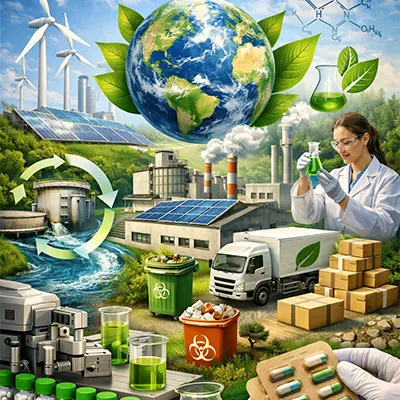
The goal of sustainable pharma production is the production processes that are greener and produce minimal impact on the environment without affecting the quality and compliance of produced drugs. Green chemistry, energy-efficient technologies and sustainable supply chains, and better management of waste can help pharmaceutical companies reduce carbon footprints, improve in their operation efficiency, and become business resilient in long-term.
Introduction to Sustainable Pharma Manufacturing
The pharmaceutical business is of significant importance to the healthcare sector all over the world, yet it is also among the manufacturing industries that are resource-consuming. Energy-intensive production processes, complicated chemical synthesis and mass packaging processes, have all contributed to pollution and emissions of carbon emissions to the environment as part of the traditional drug manufacturing process. With the regulatory pressure, investors’ expectations and social awareness of environmental responsibility ever increasing, sustainable pharma manufacturing has become a strategic emphasis as opposed to a compliance requirement.
Sustainable pharmaceutical production aims to reduce the negative impact on the environment, without reducing quality of the product, legal regulations and operational efficiency. It also incorporates environmentally friendly production of pharmaceuticals in terms of manufacturing, energy consumption, waste disposal and supply chain activities. In the case of pharma companies in the global competitive market, sustainability is currently strongly associated with long-term resilience, cost minimization, and brand reputation. Manufacture of green pharmaceuticals is no longer a voluntary undertaking but it is an element of a pharmaceutical manufacturing sustainability agenda across the globe.
Understanding Eco-Friendly Pharmaceutical Manufacturing Practices
The eco-friendly pharmaceutical production is the redesign of the processes to decrease negative environmental impact without the reduction of drugs safety or efficiency. Sustainable drug manufacturing is all about responsible use of resources, less emission, less use of chemicals that are less harmful and proper management of waste at its core. These activities are becoming more or more consistent with the global environment standards and changing regulations.
Green chemistry in pharma is one of the aspects of green pharmaceutical manufacturing. This method is based on the design of chemical operations with less dangerous substances, the formation of fewer by-products, and the enhancement of the reaction rate. Pharmaceutical manufacturers can achieve a lot to reduce environmental risks and increase production levels by avoiding solvent consumption and substituting hazardous reagents with less toxic ones.
Another major aspect of eco-friendly activity is energy-efficient pharma manufacturing. The manufacturing facilities are shifting towards the traditional energy systems to smart energy management solution, which maximizes the consumption through the production lines. The HVAC systems, cleanrooms that are energy-efficient, and automated monitoring tools help manufacturers to minimize their use of power and still meet high GMP standards.
Water stewardship is also important in the production of pharma being sustainable. State-of-the-art water recycling systems and closed cycle processes can minimize the usage of freshwater and reduce the level of wastewater release. The sustainability is an environmental and an operational requirement more so in places where water is scarce.
Sustainable Production in Pharma: Technologies and Innovations
Sustainable pharmaceutical manufacturing technologies are changing, which is becoming the result of the rapid increase in automatism, digitalization, and process optimization. The 4.0 technologies in the industry are transforming the pharmaceutical industry so that manufacturers can implement data-driven sustainability efforts to enhance efficiency and minimize waste throughout the production cycle.
One of the most influential innovations that can sustain the production of drugs is continuous manufacturing. As compared to conventional batch production, continuous processes are less energy-consuming, generate less waste and have more handling over quality. This strategy minimizes the wastage of raw materials, and the production cycles are also briefened, which is why this is one of the models that are favored in the manufacturing processes of producing pharma products that are sustainable.
Even greener pharmaceutical production is being transformed with the help of digital twins and AI-enabled optimization tools of processes. Manufacturers are able to design and detect inefficiencies in production settings, anticipate equipment failures and manage resources by simulating production settings in real time. The technologies help in direct support of lowering the carbon footprint in the pharmaceutical production directly through the reduction of energy wastes and unexpected idleness.
The manufacturing processes are also becoming more sustainable in the pharma through biotechnology-based procedures. The application of biocatalysis and fermentation to produce drugs lowers reliance on harsh chemical reactions and facilitates cleaner production pathways. These approaches are quite consistent with green chemistry in pharma and can be scaled to provide an environmentally friendly pharmaceutical development.
Reducing Carbon Footprint and Pharmaceutical Waste Management
It has been noted that reducing carbon footprint in pharmaceutical manufacturing has taken center-stage of the agenda as firms aim at achieving net-zero emissions and science-based emissions. In the process of pharma production, carbon emissions are mainly due to energy-consuming processes, transportation and sourcing of raw materials. To deal with these issues there should be a holistic approach to sustainability covering production, logistics, and facilities management.
Pharmaceutical waste management is a very important aspect of sustainability. The manufacturing processes produce several wastes such as chemical waste, solvents, packaging and wastewater. Sustainable pharma-manufacturing is focused on waste segregation, recycling, and safe disposal to avoid polluting the environment.
The reuse of advanced waste treatment systems like solvent recovery systems and thermal oxidation units allow manufacturers to recover valuable materials as well as minimize the production of hazardous waste. These systems are not only helpful in environmental compliance, but also in cost efficiency as it lowers the costs of disposal.
Green pharmaceutical production is also all about emission control technologies. Contemporary filtration and scrubber systems minimize the pollution of the atmosphere during manufacturing, and the monitoring will help us to ensure that the emission limits are followed. Through the combination of these technologies, the pharma companies could save a lot of waste and emissions and not lose the continuity of the operation.
Sustainable Pharma Supply Chain and Eco-Friendly Packaging Solutions
Pharma supply chain sustainability is not limited to manufacturing facilities in the sense that sourcing, transportation, and packaging are also involved. To achieve sustainable pharmaceutical manufacturing, suppliers, logistics partners, and distributors ought to collaborate to minimize the environmental impact across the value chain.
Sourcing of the raw material is a vital component in the process of sustainable production in pharma. Ensuring that the suppliers are able to sustain the ethical sourcing and the environment standards are also becoming a priority among the manufacturers. Such change will guarantee transparency, minimize risks of the supply chain, and match the buying practices to the sustainability objective.
The other important aspect of the carbon footprint reduction in pharmaceutical production is transportation optimization. The companies can reduce the emissions related to drug distribution greatly, using route optimization software, alternative fuels, and localized production strategies.
There is also the growing popularity of eco-pharmaceutical packaging solutions since companies are attempting to reduce the amount of plastic waste and increase the recyclability. Some of the sustainable packaging materials include biodegradable polymers, recyclable blister packs, and lightweight packaging which do not increase the impact on the environment without interfering with the integrity of the product. It can also be redesigned to make the packaging compliant to regulations and enhance the brand image of the company to the environmentally conscious parties.
With renewable energy sources, cold chain optimization is significant especially in pharmaceutical production. The use of solar-powered refrigeration units and energy efficient storage will also mean that option of transporting drugs that require a certain temperature is done in a sustainable manner without affecting the quality of these drugs.
Benefits of Sustainable Pharma Manufacturing for Companies
The positive aspects of sustainable pharma production to the companies go well beyond the environmental effect. Business-wise, the sustainability of pharmaceutical manufacturing leads to a long-term value creation, resilience, and differentiation.
One of the most instant benefits of drug manufacture friendly to the environment is the reduction of costs. Energy saving systems, waste management programs and process optimization reduces operational costs in the long run. Although the investments in sustainable technologies can be high at the beginning, the payback will be high in the long run.
Other significant advantages are regulatory compliance and risk reduction. With the increased regulation of the environment in many places worldwide nowadays, sustainable pharma manufacturing will put the companies on the leading edge of the compliance regulations, minimizing the chances of fines, production delays, and negative publicity.
The sustainability programs also increase trust in the brand and investor confidence. Green pharmaceutical production is a major source of corporate credibility as stakeholders consider pharma companies in terms of their ESG performance. Leading companies in the field of sustainability will be more attractive in terms of partnerships, financing, and human resources.
Another important advantage of sustainable manufacturing of drugs is innovation. The introduction of new technologies and redefinition of the traditional procedures helps the pharma companies to promote the culture of constant improvement which leads to both environmental and commercial prosperity.
Conclusion
Sustainable pharma manufacturing is a radical change in the way league of pharmaceutical companies envisions production, supply chain and environmental responsibility. With pressure on the industry to strike a balance between healthcare innovation and environmental care, the need to manufacture pharmaceuticals in an ecologically friendly manner has become a strategic necessity.
Green chemistry in pharma can be employed by creating energy-efficient pharma manufacturing systems, better management of pharmaceutical waste, and investing in sustainable pharmaceutical manufacturing technologies to dramatically decrease their impact on the environment and improve operations. There is no longer compliance with sustainable production in pharma; it is stewardship of a strong, forward-thinking pharmaceutical industry.
Companies in the Pharma industry that now consider sustainability in their business strategies will also not only be helping the world in regard to environmental sustainability, but also ensure their businesses remain sustainable in the highly competitive business environment that currently faces the challenge of sustainability.
FAQs
What is sustainable pharmaceutical manufacturing?
Sustainable pharmaceutical manufacturing refers to the process of producing medicines in an environmental friendly manner and which adopts practices that minimize waste disposal, emissions and waste, and maximize the use of resources with a balance in quality and regulation observance.
How to make pharmaceutical manufacturing eco-friendly?
Sustainable pharmaceutical manufacturing refers to the process of producing medicines in an environmental friendly manner and which adopts practices that minimize waste disposal, emissions and waste, and maximize the use of resources with a balance in quality and regulation observance.
Why is sustainability important in pharma manufacturing?
The significance of sustainability in pharma manufacturing is that it decreases environmental effect, guarantees regulatory compliance, lowers the cost of operation, enhances the value of a particular brand, and long-term economic sustainability of business.
What are the best practices for green pharma manufacturing?
The best green pharma manufacturing practices include energy efficient pharma manufacturing, sustainable drug manufacturing technologies, sustainable pharmaceutical packaging solution, waste minimization, and responsible sourcing along the pharma supply chain.
.webp)
Kate, Editorial Team at Pharma Focus Europe, leverages her extensive background in pharmaceutical communication to craft insightful and accessible content. With a passion for translating complex pharmaceutical concepts, Kate contributes to the team's mission of delivering up-to-date and impactful information to the global Pharmaceutical community.