Renewable Energy Solutions for Pharma Factories: Powering Sustainable Pharmaceutical Manufacturing
Kate Williamson, Editorial Team, Pharma Focus Europe
Solar energy options in pharma plants are changing the way pharma plants are operated by cutting costs on energy, increasing their sustainability and increasing their operational resilience. Solar, wind and hybrid energy systems will enable pharmaceutical manufacturers to realize their energy efficiency, regulatory compliance and long-term environmental objectives and continue their production without interruption and at a high level.
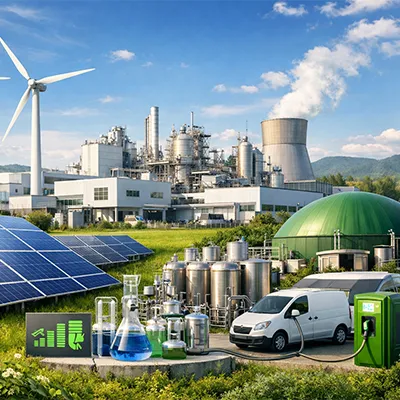
Introduction to Renewable Energy Solutions for Pharma Factories
One of the most energy-consuming sectors of the industrial sector is the pharmaceutical manufacturing. Energy requirement in the pharma factories is continuous and critical, whether it is controlled environments and cleanrooms, continuous production lines, HVAC system, cold storage, as well as quality testing laboratories. With the increasing regulatory pressure, ESG undertakings, and the cost of energy, renewable energy options to power pharma factories are taking a new form of strategic consideration as opposed to a far-off objective.
The move towards renewable sources of producing pharmaceuticals is led by the necessity to balance the activities of reliability and responsibility concerning the environment. Regulators, investors, healthcare partners and patients are all questioning pharmaceutical companies to show quantifiable improvements in the sustainability. In this respect, the adoption of pharma factory renewable energy is no longer a pilot project. It is turning into a systematic strategy that incorporates solar, wind, and hybrid systems of energy into company production.
This change is changing the landscape of sustainable energy pharma industry making green energy pharma production a competitive edge that enhances resilience, lowers operating expenses, and contributes to long-term expansion.
The Growing Energy Challenge in Pharmaceutical Manufacturing
Pharma manufacturing plants are highly regulated with power supply being a must at all times. Energy instability can also cause batch failure that causes enormous financial losses, regulatory non-conformity, and a supply chain breakdown. Meanwhile, the cost of conventional energy sources is going up due to the growing grid electricity tariffs and carbon pricing mechanisms.
The energy efficiency of pharma manufacturing has thus been strongly associated with integration of renewable energy in pharma. Instead of considering renewable energy as an appendix, major producers are integrating pharmaceutical production green energy systems into their infrastructure design, capacity buildup and electronic innovation projects.
Types of Renewable Energy for Pharmaceutical Manufacturing
Pharma manufacturing facilities are chosen using renewable energy technologies that depend upon the location, energy load profile, regulatory environment and importance of production. Although each energy source cannot be applicable to all plants, combination of technologies becomes more and more widespread.
Solar Energy for Pharma Factories
The most commonly used renewable has now become solar energy in the pharma factories, owing to the predictable production, modular capacity, and the reduction in cost of installation. While captive solar power plants, rooftop solar installations, and ground-mounted solar farms are currently being designed to satisfy a large fraction of the pharmaceutical manufacturing daytime energy needs.
The solar power is especially efficient in the facilities whose roof spaces are large like the formulation facilities, packaging facilities, and warehousing facilities. Sophisticated energy management systems allow pharma factories that operate on solar and wind power to focus on the use of the solar energy whilst keeping the grid or backup power to maintain the operation of the processes that are important to the mission.
Wind Energy in Pharmaceutical Manufacturing
The pharmaceutical manufacturing is increasingly using wind energy, particularly in large-scale API manufacturing facilities, and export-oriented pharma hubs in wind-rich areas. The power of the wind has a greater capacity to generate power at the non-day time period, as a supplement to the solar energy, thus providing continuous renewable energy supply.
Pharma companies that have invested in off-site wind farms or long-term power purchase contracts are recording a high percentage of Scope 2 emissions, or they are getting stable pricing of the energy.
Hybrid Renewable Energy Systems
Combination of solar, wind, and energy storage is becoming more seen as the surest way of manufacturing pharmaceuticals. These systems will overcome the problem of intermittency and allow more flexibility in load management. Integrating renewable energy in pharma using the hybrid models enables pharma manufacturing companies to balance sustainability targets and operational predictability.
The following table shows the correspondence between various renewable energy sources and the requirements of pharma production:
| Renewable Source | Suitability for Pharma Factories | Key Advantage |
| Solar Energy | High | Predictable generation and scalability |
| Wind Energy | Medium to High | Night-time and seasonal energy balance |
| Hybrid Systems | Very High | Improved reliability and energy continuity |
| Energy Storage | Critical | Backup for sensitive production processes |
Implementing Renewable Energy Solutions in Pharma Factories
The awareness of the objectives of introducing renewable energy solutions in pharma factories should be organized and obedience-based. Pharma does not have the ability to sacrifice on power quality or uptime like other industries.
The key point of the implementation process is usually the elaborate pharma manufacturing energy audit. Such audits evaluate the current consumption behavior, peak load level, systems that are process critical and possible areas of efficiency enhancement. The energy audit services provided by pharmaceutical manufacturing companies are important and necessary in determining where the renewable energy can be generated safely and efficiently.
After the audit, manufacturers analyze technology alternatives depending on plant layout, availability of land, local rules and expectations of ROI. Pharma industry projects of renewable energy where consultants are required assist in balancing technical feasibility with regulatory and other operational considerations.
The second stage is the system design and integration. Pharma plant installers of sustainable energy systems should make sure it fits the already existing electrical systems, back-up generators, and other automation systems. At this step, the usage of digital monitoring equipment, which allows optimizing energy in real-time and reporting, is frequently present.
Lastly, long term agreements with pharma renewable energy project partners would guarantee continuous monitoring of performance, compliance reporting and upgrade of the system as production increases.
Benefits of Renewable Energy for Pharmaceutical Manufacturing
The advantages of renewable energy to the production of pharmaceutical do not just stop at the environmental level. Renewable energy is a business enabler that helps pharma leaders to be financially stable, brand reputation, and follow regulatory alignment.
Cost reduction is one of the most short-term benefits. Renewable energy sources such as wind and solar power can be used by the pharma plants to save on costs to offset the increasing grid tariffs and limit risks due to fluctuating energy prices. In the long run, the renewable installations will provide predictable energy cost, which enhances budgeting and financial planning.
In terms of sustainability, the pharma manufacturing of green energy saves a lot of carbon wastes and water usage that is used in fossil fuel-based power. This contributes directly to corporate ESG objectives and improves the relations with the international healthcare partners and regulators.
Operation resilience is also promoted by renewable energy. The solar-powered and wind-powered Pharma factories are not as exposed to grid outages especially with the aid of energy storage and load management systems.
Case Studies and Examples of Pharma Factories Using Renewable Energy
Renewable energy is gaining popularity across the world pharma manufacturing centres. Big multinational pharmaceutical companies are aiming at the 100 percent renewable energy targets and the middle-sized manufacturers are pursuing phased renewable energy integration in pharma.
In India, pharma factories with a few rooftop solar energy systems have been put in place by several formulation and API plants, with up to 30 percent fewer grid reliances.
There is a growing trend in the European pharmaceutical facilities to pursue wind energy power production in pharmaceutical manufacturing by using power purchase agreements (long term) to achieve high targets of carbon neutrality.
In the USA, the green energy solutions in pharmaceutical manufacturing are integrated with digital energy management solutions, which will allow them to optimize in real-time and provide regulatory reporting.
These illustrations indicate that pharmaceutical manufacturing also has access to renewable energy that is not restricted to big companies. Having the appropriate strategy and partners allows all manufacturers to make the transition.
Overcoming Challenges and Future Trends in Pharma Renewable Energy
There are still difficulties despite obvious advantages. The barriers are usually regulatory approvals, initial capital investment, space constraints and power stability issues. The solution to these involves cooperation with the internal stakeholders and the external companies that are specialized in green energy solutions that pharma specializes in.
The trends in the future are that there will be a great shift toward integrated energy ecosystems. The use of artificial intelligence to optimise energy usage, novel storage devices, and decentralized renewable grids are likely to transform the energy strategy in the production of pharmaceuticals towards sustainability.
The issue that the pharma manufacturing can be fully powered by renewable energy becomes even more topical. Although full autonomy to the grid is still not attainable in high-risk processes, hybrid systems supplemented by storage and intelligent automation is getting the industry closer to this objective.
Conclusion: Building a Sustainable Energy Future for Pharma Manufacturing
Renewable solutions of the pharma factories can be taken as the basic change in the perception of energy in the pharmaceutical manufacturing. The formerly-thought-of cost center has now turned into a strategic asset helping to achieve sustainability, resilience, and long-term competitiveness.
With the growth of renewable energy to manufacture pharmaceutical products, the companies that invest early in pharma factory renewable energy infrastructure will be in better positions to meet the stake of regulation, control their costs, and other market standing in the world. The future of sustainable energy pharma industry should be smart integration, good partnerships, and a constant need to keep on improving.
Frequently Asked Questions (FAQs)
What renewable energy solutions work best for pharma factories?
The best solutions are usually solar power in the pharma factories and wind energy in pharmaceutical production with the help of energy storage and intelligent management systems.
How can pharmaceutical manufacturers switch to renewable energy?
This will start with pharmaceutical manufacturing energy audit, system design, regulatory approvals, and progressive implementation under the guidance of experienced renewable energy consultants on the projects of pharma industry.
Why is renewable energy important for pharmaceutical factories?
With renewable energy, there is flexibility of improved cost stability, reduced environmental impacts, improved energy security, regulatory and ESG adherence in pharmaceutical manufacturing.
What are the benefits of solar energy in pharma manufacturing?
Solar power promises reliable production, growth, less operating expenses and low carbon emissions, which is why it is one of the foundations of green energy pharma manufacturing plans.
How to reduce energy costs in pharmaceutical factories with renewables?
Captive renewable installations, long-term power purchase agreements, and enhanced energy efficiency in pharma manufacturing made through digital monitoring are seen to reduce costs.
Can pharma manufacturing run entirely on renewable energy?
Though the full dependence is yet to be made, the hybrid renewable system with storage and reserve power is rendering near one hundred percent reliance of renewal ever possible.
.webp)
Kate, Editorial Team at Pharma Focus Europe, leverages her extensive background in pharmaceutical communication to craft insightful and accessible content. With a passion for translating complex pharmaceutical concepts, Kate contributes to the team's mission of delivering up-to-date and impactful information to the global Pharmaceutical community.