Pharmaceutical Serialization in Europe: Ensuring Safety in the Supply Chain
Kate Williamson, Editorial Team, Pharma Focus Europe
Pharmaceutical serialization in Europe combats counterfeit drugs by assigning unique codes to each product, ensuring traceability throughout the supply chain. Under the Falsified Medicines Directive (FMD), serialization boosts patient safety, transparency, and recall efficiency, despite high costs. Future tech like blockchain may enhance security further.
Introduction:
Over the past few years however Europe’s pharmaceutical companies have faced a rather challenging role of fighting counterfeiting of medicines and therefore their patients. Serialization it is a system that uses a special code assigned to every product has become one of the salient solutions to tackle counterfeit drugs. While serialization in terms of the Falsified Medicines Directive (FMD) is practically a measure that has been carried out in the European Union (EU), it certainly has a central position in the current structural approach to guaranteeing and enhancing the overall identification processes of the industry. This article is devoted to Pharmaceutical serialization, its characteristic of how it works and the analysis of its benefits and drawbacks to the European pharmaceuticals list of networks or supply chains.
1. What is Pharmaceutical Serialization?
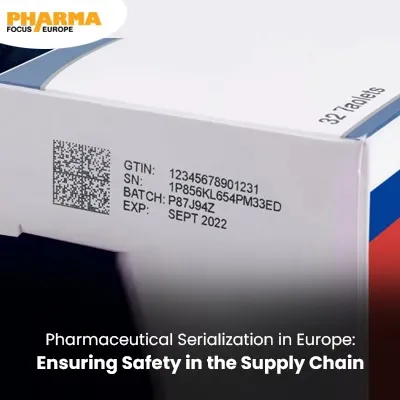
Pharmaceutical serialization means that a single, identifiable number is assigned to each pack of a specific drug. Such codes, commonly a 2D data matrix barcode, afford an exact tracking of each package of the medicine right from the manufacturing company through distribution to the final consumer. For serialization to be effective, it has to entail some essential information; Global Trade Item Number (GTIN), a serial number, expiry date of the product, batch or lot number, etc.
Today, due to the EUR-D requirements, all drugs need to be serialized making Europe one of the most progressive markets in regard to combating counterfeit products. Serialization also contributes to protection of the population against counterfeit medicines circulation as well as increases safety of patients and, respectively, public trust to pharmaceutical business.
All medicines have to be serialized in the EU, which is why Europe is one of the most highly developed markets in the fight against counterfeit products. Serialization contributes a lot of value by protecting the market from the spread of counterfeit medicine, making a patient’s experience safer and strengthening the public’s confidence in the industry.
2. Why is Serialization Necessary?
Serialization is now required because counterfeit drugs have become a major threat in the market. The World Health Organization (WHO) revealed that up to 10 per cent of drugs sold in lower income nations are counterfeit. Indeed, fakes can easily penetrate the different channels of supply in even the European countries with utmost dangers to the lives of patients. Counterfeit drugs may have wrong strength, toxic components, or no ingredients at all leading to treatment failure, adverse health effects and deaths.
Counterfeit drugs also jeopardize the public’s confidence in the healthcare systems, because citizens have confidence in medications they use especially those that are used to treat critical illnesses. By defining each product, serialization plays a factor in countering supply chain legitimacy and eliminating counterfeit products.
3. The Role of the Falsified Medicines Directive (FMD)
With FMD that was enacted in 2011, EU has applied a legal tool to scrutinize counterfeit drugs in the supply chain. Another paramount concern under the FMD is serialization together with tamper proof packaging. The FMD requires that all prescription drugs sold in Europe must be accompanied by a serial number in a 2D bar code and an anti-tampering device on the package.
The system generates a package level and then registered every unique code in a centralized electronic database that is referred to as the European Medicines Verification System (EMVS). Technically, the pharmacist or the healthcare provider, before dispensation of the drug, can simply scan the code in the EMVS and his system can verify the genuineness or otherwise of the code. In the case that a package has been marked as suspicious or fake it can be looked into, possibly tracked and then disposed off as appropriate.
4. How Serialization Works in Practice
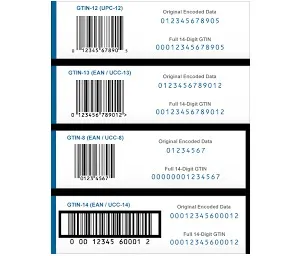
It starts at the point when manufacturers supply unique identifiers to product packages. This identifier typically includes:
- A GTIN (Global Trade Item Number): A unique number assigned to the product that is recognized all over the world.
- A Serial Number: A package identification number, generated randomly to eliminate the probability of encountering an identical number from another package.
- Expiry Date and Batch Number: Further details to protect its quality and genuineness.
When created the identifier is printed in form of a 2D matrix code at the product surface for convenience in scanning. From there the drug is scanned every step along the supply chain: manufacturing, distribution centers, even pharmacies. Every time the code is dispatched, a record of how the code is moved is generated in real time, hence giving an account of the entire cycle.
5. Benefits of Serialization for the European Supply Chain
Serialization has multiple advantages for the European pharmaceutical supply chain, from improved security to streamlined logistics:
- Patient Safety: Serialization guarantees that only authorized, safe products get to the patients. Apart from directly improving the quality of treatments by identifying counterfeits, serialization minimizes dangers to people’s health.
- Enhanced Transparency: Each given package has track and traceability from the manufacturer up to the last consumer hence end to end visibility. In this case, such transparency allows authorities to easily discover suspicious activity as well as find resolutions.
- Efficient Recall Management: Drug serialization helps manufacturers sort those lots or particular packages that have to be recalled due to various reasons and cuts losses and time that patients have to spend.
- Trust Building: When the drugs are serialized, patients, and healthcare providers are sure of the kind of drugs they are being administered or using. This creates confidence in the health care system and remove any fear that may have been occasioned by fake products.
- Data Analytics: Serialization also provides a vast amount of data that can be channeled by companies to enhance the flow of their supply chain, estimate the amount of demand and detect possible flaws in the chain.
6. Challenges in Implementing Serialization
While serialization has clear benefits, implementing it across Europe’s pharmaceutical industry has posed some challenges:
- High Implementation Costs: Serialization can be costly for the small manufacturing companies and pharmacies because the implementation involves purchasing of new equipment, information technology and data management systems.
- Complex Data Management: Handling millions of serialized codes needs proper and secure storage systems capable enough to manage large amount of data. This requires professional staff and follow-up, which can be a real challenge sometimes.
- Standardization and Interoperability: Implications of sharing data in EU within multiple countries, multiple regulatory frameworks, and across multiple technologies enhance the challenge of implementation.
- Counterfeiters' Evasion Tactics: When serialization becomes popular, criminals will find ways to mimic the serial codes in their products hence making it significant to continuously come up with ways to combat counterfeiting.
7. The Future of Serialization in Europe
Serialization is just the first step towards better security of pharmaceuticals in the global supply chain in the EU. Some current technologies like blockchain, artificial intelligence, and the IoTs might also improve the provenance and security of the drugs in Europe. Blockchain as an example can be used to create an information record for drugs that will be difficult for fake players to penetrate to the supply chain.
As the wave of technology is embraced, the pharmaceutical industry will observe enhanced techniques for serialization. For instance, Blockchain can enhance the identifying of the originality of products while presenting all stakeholders in the supply chain with real-time information. Similarly, one could teach machines conventional algorithms in order to identify substandard patterns that will enable authorities to detect counterfeit activities.
8. How Serialization Benefits the Environment
In addition to its safety impact, serialization can also have an environmental improvement implication. Recall in serialization can greatly reduce the amount of waste within a supply chain because they do not have to discard large batches of goods. It also helps in stock control, thus means that companies can do away with producing unnecessary stock and harm the environment.
In addition, serialization enables organizations to support the sustainability agenda in Europe in terms of production, by reducing the harm associated with the disposal of substandard counterfeit medicine. As such, serialization promotes a clear supply chain as a good mechanism towards the EU’s environmental conservation objectives in the pharmaceutical market.
9. Final Thoughts: The Importance of Serialization
This article will argue that pharmaceutical serialization has dramatically disrupted the manufacturing, circulation, and consumption of medicine throughout Europe. In as much as serialization makes it possible to track every package, counterfeiting of drugs is greatly eliminated and the health of those who consume these products is protected, and therefore patient trust in the healthcare system is boosted.
Although serialization has entail significant investment and some certain implementation issues the benefits achieved outweigh the costs in the long run. But Europe has taught the world how to make serialization work, introducing one of the most stringent regulatory regimes in the world into this brave new world of technology and global supply chains.
The overall trend in the European Union is for the ongoing development, enhancement, and optimization of serialization or the system of unique identification of each administered medicine, thus society is approaching the vision of first genuine medicines and, as a consequence, the quality of consumed medications.
.webp)
Kate, Editorial Team at Pharma Focus Europe, leverages her extensive background in pharmaceutical communication to craft insightful and accessible content. With a passion for translating complex pharmaceutical concepts, Kate contributes to the team's mission of delivering up-to-date and impactful information to the global Pharmaceutical community.