Lessons from Technology Transfer in Global Drug Product Development: From Knowledge Transfer to Commercial Success
Dr. Shashi Ravi Suman Rudrangi, Associate Director, CMC Drug Product Development and Manufacturing, Olema Oncology
Technology transfer is more than transferring manufacturing processes between sites. Commercial success depends on preserving scientific understanding, organisational knowledge and cross-functional collaboration throughout the product lifecycle. This article discusses practical lessons, risk-based approaches and digital innovations that enable successful technology transfer and sustainable pharmaceutical manufacturing.
Introduction
Technology transfer is the critical bridge between pharmaceutical development and commercial manufacturing, transforming scientific innovation into medicines that can be reliably produced at scale. Successful technology transfer extends far beyond the transfer of manufacturing processes and documentation; it requires the effective transfer of scientific understanding, technical expertise and organisational knowledge to establish robust, reproducible and compliant manufacturing. Rather than a single development milestone, technology transfer is a strategic business process that integrates pharmaceutical science, engineering, quality systems and cross-functional collaboration to enable successful commercialisation throughout the product lifecycle.1-4
The increasing complexity of pharmaceutical products, global manufacturing networks and growing reliance on Contract Development and Manufacturing Organisations (CDMOs) have significantly expanded the scope of technology transfer.5,8 Today's transfer programmes involve multiple organisations, manufacturing sites and technical disciplines, making effective communication and knowledge management more important than ever. Consequently, organisations must transfer not only manufacturing processes and analytical methods but also the scientific rationale underpinning formulation development, process optimisation and quality control.1,3,5
This article explores why successful technology transfer depends fundamentally on knowledge transfer and discusses practical strategies that improve manufacturing readiness, reduce technical risk and support long-term commercial success.
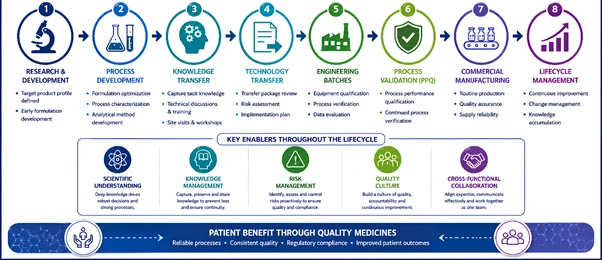
Figure 1. Technology Transfer Lifecycle: From Development to Commercial Success
1. Technology Transfer: Beyond Documentation
Many pharmaceutical technology transfers encounter delays or unexpected technical issues despite comprehensive documentation. In many organisations, success is still measured by the completion of transfer documents rather than by manufacturing readiness and process understanding. Although manufacturing instructions, analytical methods and validation protocols are essential, they represent only part of the knowledge required for successful commercial manufacture. The scientific rationale behind formulation development, process optimisation and historical decision-making often determines whether a transfer progresses smoothly or encounters avoidable challenges.
Development programmes generate extensive scientific understanding relating to formulation design, material attributes, process optimisation, equipment performance and analytical method capability. 1,3 Much of this knowledge is experiential and cannot be fully communicated through technical reports alone. Practical observations made during laboratory development, pilot-scale manufacture and engineering batches often influence future manufacturing decisions but may not be explicitly recorded within formal documentation. 5,8
Successful technology transfer therefore requires structured knowledge exchange between development scientists, manufacturing engineers, analytical experts, quality professionals and regulatory teams. Joint technical discussions, site visits, manufacturing observations and collaborative troubleshooting provide opportunities to transfer tacit knowledge that strengthens process understanding and reduces uncertainty during commercial implementation. 3,5,8
Organisations that recognise knowledge as a strategic asset consistently achieve smoother process validation, faster technology transfer and more robust commercial manufacturing than those relying primarily on document exchange.
2. Why Technology Transfers Fail
Across global technology transfer programmes, technically complete documentation alone rarely guarantees success. Many organisations still measure transfer by document completion rather than manufacturing readiness, which explains why well-documented transfers can still result in delays, investigations and repeated engineering work. In practice, failures are more often associated with incomplete process understanding, ineffective communication and insufficient cross-functional collaboration. Organisations that consistently achieve successful transfers recognise that scientific rationale and manufacturing experience are as important as the transfer package itself.
Another common challenge is the loss of tacit knowledge during organisational or site transitions. Valuable experience relating to scale-up decisions, raw material behaviour, equipment settings and historical investigations frequently resides with individuals rather than organisational knowledge systems. Unless this knowledge is captured systematically, technical issues may be repeated unnecessarily during commercial manufacture. ICH Q10 and the WHO technology transfer guidance both recognise effective knowledge management as a fundamental component of pharmaceutical quality systems and successful technology transfer. 3,5
Successful organisations address these challenges by integrating development, manufacturing, analytical, quality and regulatory teams from the earliest stages of pharmaceutical development. This multidisciplinary approach promotes informed decision-making, proactive risk management and a smoother transition from development to commercial manufacturing. 2-4
3. Five Critical Success Factors for Technology Transfer
Successful technology transfer is built on five interconnected success factors that convert development knowledge into consistent commercial manufacturing. While each factor contributes independently, their collective application determines the robustness, efficiency and sustainability of the transfer process.
Experience across global pharmaceutical technology transfer programmes demonstrates that organisations achieving the most consistent commercial success apply these principles systematically rather than in isolation. Effective technology transfer extends beyond technical execution; it requires scientific understanding, organisational capability and disciplined cross-functional collaboration throughout the product lifecycle.
Scientific understanding forms the foundation of every successful transfer. Manufacturing teams must understand not only the process itself but also the scientific rationale behind formulation design, critical material attributes (CMAs), critical process parameters (CPPs) and critical quality attributes (CQAs). A strong knowledge base developed through Quality by Design (QbD), design of experiments (DoE) and process characterisation enables informed decision-making throughout scale-up and commercial manufacture. 1,9,10
Knowledge management ensures that valuable development experience is retained and transferred effectively. Beyond technical documentation, organisations should capture development history, process rationale, previous investigations and lessons learned. Technical workshops, site visits and interactive training are often more effective than document reviews alone because they facilitate the transfer of tacit knowledge that cannot easily be recorded in written reports. 3,5,8
High-performing technology transfer programmes typically establish cross-functional collaboration at the earliest stages of development rather than during process validation. Early engagement enables manufacturing, analytical, engineering, quality and regulatory teams to anticipate technical challenges before they become costly delays during commercial implementation.
Quality risk management provides a structured framework for identifying, evaluating and controlling technical risks before they affect commercial manufacture. Applying science- and risk-based principles throughout technology transfer enables organisations to prioritise resources, strengthen control strategies and minimise process variability while maintaining regulatory compliance. 2,3
Finally, lifecycle thinking recognises that technology transfer does not end with process validation. Continued process verification, performance monitoring and ongoing knowledge capture enable organisations to improve manufacturing capability, optimise operational efficiency and support continual improvement throughout the product lifecycle. 3,4
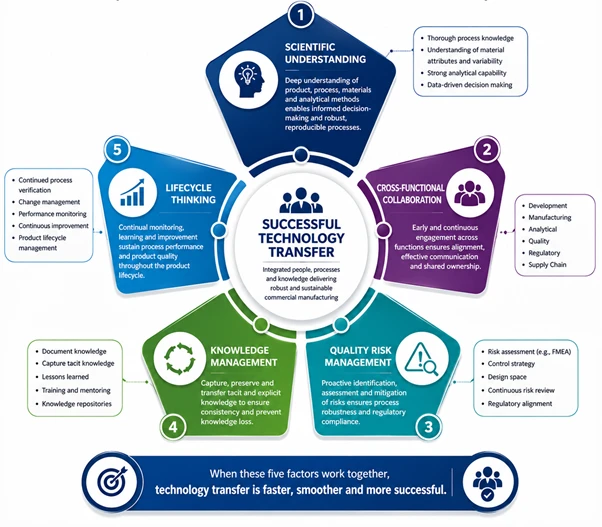
Figure 2. Critical Success Factors for Technology Transfer
4. Risk-Based Technology Transfer in the Digital Era
Modern technology transfer increasingly combines science-based risk management with digital technologies to improve process understanding and manufacturing readiness. 2,4,11 Regulatory guidance encourages organisations to identify potential risks early and implement mitigation strategies before engineering batches and process performance qualification (PPQ) begin. 2,4,6
One lesson consistently observed across commercial technology transfer programmes is that early investment in structured risk assessment significantly reduces downstream technical issues. Organisations that proactively identify and mitigate critical risks during transfer planning are better positioned to achieve robust process validation, minimise implementation delays and establish predictable commercial manufacturing.
Risk assessments should evaluate formulation complexity, manufacturing processes, analytical methods, equipment comparability, raw material variability and site capability. Structured tools such as Failure Mode and Effects Analysis (FMEA) enable multidisciplinary teams to identify critical risks, establish appropriate control measures and focus technical effort where it delivers the greatest benefit. 2,6
Digital technologies are further strengthening technology transfer by improving the accessibility and quality of scientific knowledge. Electronic laboratory notebooks, Manufacturing Execution Systems (MES), Laboratory Information Management Systems (LIMS) and cloud-based collaboration platforms provide real-time access to development information, improve data integrity and facilitate collaboration between geographically dispersed teams. 12-18
Looking ahead, artificial intelligence (AI), machine learning and digital twins are expected to enhance technology transfer through predictive modelling, virtual process optimisation and advanced data analytics. While these technologies continue to evolve, they should complement—not replace—scientific expertise, multidisciplinary collaboration and sound engineering judgement. Successful technology transfer will always depend on knowledgeable people supported by effective digital tools rather than technology alone. 15-22
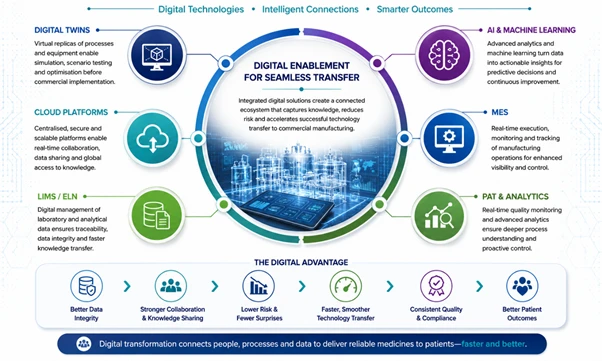
Figure 3. Technology Transfer in the Digital Era
5. Key Lessons from Global Technology Transfer
Experience across global pharmaceutical technology transfer programmes demonstrates that the organisations achieving the most consistent commercial success share several common characteristics. These lessons have remained remarkably consistent despite advances in manufacturing technologies, digitalisation and increasingly complex product portfolios.
Begin technology transfer early: Manufacturing, quality, analytical and regulatory functions should be involved during pharmaceutical development rather than after the process has been finalised. Early engagement improves manufacturing readiness, identifies potential scale-up challenges and enables more informed decisions throughout development. 8
Prioritise knowledge transfer over document transfer: Technical reports define what should be done, but they rarely explain why critical decisions were made during development. Structured knowledge-sharing through technical workshops, joint manufacturing campaigns and cross-functional discussions helps preserve valuable scientific expertise and reduces the risk of repeating previous challenges. 3,5
Adopt a science- and risk-based mindset: Technology transfer should not aim to reproduce every laboratory condition exactly but to establish a robust manufacturing process capable of consistently delivering the required product quality. Applying scientific understanding and quality risk management enables teams to adapt processes appropriately while maintaining regulatory compliance. 2,4
Promote continuous learning. Every technology transfer generates valuable experience. Capturing lessons learned, monitoring process performance and incorporating feedback into future projects strengthen organisational knowledge and improve subsequent technology transfers. 3
Ultimately, successful technology transfer is a collaborative process built on scientific understanding, effective communication and a culture of continuous improvement.
6. Future Perspectives
The future of technology transfer will be shaped by increasingly complex medicines, advanced therapeutic modalities and globally integrated manufacturing networks. Digital transformation, artificial intelligence, advanced process analytics and continuous manufacturing will continue to improve process understanding and support more predictive, data-driven decision-making. 13-22
However, despite rapid technological advances, the principles underpinning successful technology transfer will remain unchanged. Strong scientific knowledge, multidisciplinary collaboration, effective knowledge management and robust quality systems will continue to be the critical enablers of successful commercialisation. 3,4 Organisations that invest in these capabilities will be better positioned to accelerate product launches, improve manufacturing resilience and ensure a reliable supply of high-quality medicines for patients worldwide.
Conclusion
Technology transfer is far more than the movement of manufacturing processes between facilities. It is the structured transfer of scientific knowledge, technical expertise and organisational learning required to consistently manufacture safe, effective and high-quality medicines. While documentation remains essential, long-term commercial success depends on preserving process understanding, managing risk and fostering collaboration across the product lifecycle.
Ultimately, successful technology transfer is not measured by the completion of documentation or the execution of validation batches, but by an organisation's ability to consistently translate development knowledge into robust commercial manufacturing. Companies that integrate knowledge management, multidisciplinary collaboration and science-based decision-making into every technology transfer programme will be better positioned to accelerate product launches, strengthen manufacturing resilience and deliver high-quality medicines to patients worldwide.
References
- International Council for Harmonisation (ICH). ICH Q8(R2): Pharmaceutical Development. Geneva: ICH; 2009.
- International Council for Harmonisation (ICH). ICH Q9(R1): Quality Risk Management. Geneva: ICH; 2023.
- International Council for Harmonisation (ICH). ICH Q10: Pharmaceutical Quality System. Geneva: ICH; 2008.
- International Council for Harmonisation (ICH). ICH Q12: Technical and Regulatory Considerations for Pharmaceutical Product Lifecycle Management. Geneva: ICH; 2019.
- World Health Organization. WHO Guidelines on Transfer of Technology in Pharmaceutical Manufacturing. WHO Technical Report Series No. 961, Annex 7. Geneva: World Health Organization; 2011.
- U.S. Food and Drug Administration. Process Validation: General Principles and Practices. Silver Spring (MD): FDA; 2011.
- European Medicines Agency. Guideline on Process Validation for Finished Products – Information and Data to be Provided in Regulatory Submissions. London: European Medicines Agency; 2014.
- International Society for Pharmaceutical Engineering (ISPE). Good Practice Guide: Technology Transfer. North Bethesda (MD): ISPE; 2014.
- Yu LX, Amidon G, Khan MA, Hoag SW, Polli J, Raju GK, et al. Understanding pharmaceutical quality by design. AAPS J. 2014;16(4):771–783.
- Rathore AS, Winkle H. Quality by design for biopharmaceutical products. Nat Biotechnol. 2009;27(1):26–34.
- Lee SL, O'Connor TF, Yang X, Cruz CN, Chatterjee S, Madurawe RD, et al. Modernizing pharmaceutical manufacturing: from batch to continuous production. J Pharm Innov. 2015;10(3):191–199.
- Chen Y, Yang O, Sampat C, Cao Y, Ramachandran R. Digital twins in pharmaceutical and biopharmaceutical manufacturing: a literature review. Processes. 2020;8(9):1088.
- International Society for Pharmaceutical Engineering (ISPE). Pharma 4.0™ Operating Model (Baseline® Guide Volume 8). North Bethesda (MD): ISPE; 2023.
- Minero T, Kuger L. The seventh ISPE Pharma 4.0™ survey: digital transformation in the pharmaceutical industry. Pharm Eng. 2024.
- Kirby M, Asan O. Digital twin implementation in the pharmaceutical industry: opportunities and challenges. Ther Innov Regul Sci. 2024.
- Singh K, Nainwal N, Chitme HR. Recent advancements in pharmaceutical technology transfer of tablet dosage forms: current perspectives and future opportunities. Ann Pharm Fr. 2025.
- Finucci A, Kappeler S. Advanced applications of digital twins in pharmaceutical manufacturing. Pharm Eng. 2025.
- International Society for Pharmaceutical Engineering (ISPE). Digital Validation: Future Advances. North Bethesda (MD): ISPE White Paper; 2025.
- Amin M. Validating the virtual: digital twins as the next frontier in technology transfer and lifecycle assurance. Pharm Eng (iSpeak). 2025.
- Shahab MA, Destro F, Braatz RD. Digital twins in biopharmaceutical manufacturing: review and perspective on human–machine collaborative intelligence. arXiv. 2025.
- International Society for Pharmaceutical Engineering (ISPE). Pharma 4.0™: Holistic Digital Enablement. North Bethesda (MD): ISPE; 2024.
- International Council for Harmonisation (ICH). ICH Q13: Continuous Manufacturing of Drug Substances and Drug Products. Geneva: ICH; 2023.

Dr. Shashi Ravi Suman Rudrangi, FRSC, FIChemE, is an Associate Director – CMC Drug Product Development and Manufacturing at Olema Oncology, Dublin, Ireland. He is an experienced pharmaceutical leader specialising in formulation development, technology transfer, manufacturing scale-up and CMC strategy, with expertise spanning global drug product development, commercialisation and lifecycle management.