Gene Therapy: Breakthrough Treatments for Rare Diseases
Kate Williamson, Editorial Team, Pharma Focus Europe
As a novel healing technique, gene therapy targets core issues in hereditary diseases. This is another approach where damaged genes are altered or removed; this has a ray of hope in diseases like SCID, SMA, hemophilia, and LCA. Despite challenges such as delivery methods and ethics, the potential of gene therapy continue to revolutionize medicine.
Introduction
The idea of gene therapy is radically changing the sphere of medicine with the possibilities to cure the patients with the rare hereditary diseases. These diseases which are usually brought about by the alteration of the sequence of the DNA, particularly one gene have for a long time eluded conventional medicine. But gene therapy addresses the source of the problem by providing a cure for the genetic disorders by altering the affected genes or by having a healthy copy of the gene as a substitute.
Understanding Gene Therapy
Gene therapy can be explained as a procedure that aims at using genetic material and applying changes on the gene to cure or prevent the disease. This can be achieved through several approaches:
- Correcting a genetic mistake by getting rid of the faulty gene and using a good gene instead.
- Turning off a damaged gene that is creating difficulties.
- The process of instilling a new or a changed gene into the body to aid in combating a specific illness.
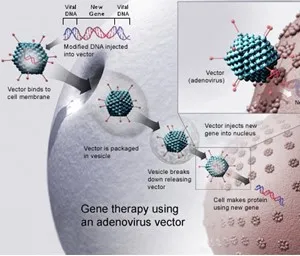
These methods are done by vectors, normally viruses with human DNA inserted into them. Once inside the body the vector takes the new gene to the required area in the patient’s body and enables the cells of the body to produce the proteins and function as they should.
How Gene Therapy Works
- Gene Identification: The necessary initial step is that the researchers find out about the gene which is defective in the individual or the population affected by the disease.
- Vector Development: A vector is one where the correct copy of the gene has to be inserted; usually, it is a virus.
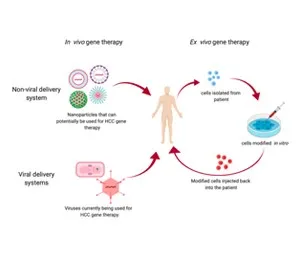
- Gene Delivery: It then enters the patient’s body, it provides the healthy gene to the affected cells.
- Gene Integration: It brings in a new gene to the patient’s body and this new gene has the ability to make the cells of the body function as required.
Types of Gene Therapy
- Somatic Gene Therapy: Targets non-reproductive cells, this means that changes cannot be inherited from one generation to another. This is widely used type of gene therapy.
- Germline Gene Therapy: Effects are aimed at the reproductive cells, so the change is passed down to the next generation. This type is comparatively more disputed and is not in medical application in human beings because of ethical issues.
Applications in Rare Diseases
Gene therapy has shown promise in treating several rare diseases, including:
- Severe Combined Immunodeficiency (SCID): Popularly known as “bubble boy disease” impacts SCID patients as they have the inability to develop an immune system. It can provide them the required gene through which they can build a decent immune system.
- Spinal Muscular Atrophy (SMA): An ailment that is marked by the weakening and slight crumbling of muscles. Gene replacement has been developed to position a working copy of the SMN1 gene which helped to improve the patient’s life span and quality.

- Hemophilia: Refers to a disease in which the coagulability of the blood is affected in one way or other, both while still in the blood vessels and after hemorrhage. In gene therapy, the right gene is introduced to make the body produce clotting factors thus minimizing injections.
- Leber's Congenital Amaurosis (LCA): An inherited condition of blindness or low vision in the child at birth due to the degeneration of the eye’s photoreceptor layer. Presently, usage of gene therapy has been practiced in the treatment of disease via the addition of a healthy gene in the retina that enables the patient to regain sight.
Challenges and Considerations
Despite its potential, gene therapy faces several challenges:
- Delivery Methods: This is more focused on guaranteeing that the vector gets to the target cells without compromising on the health of the individuals.
- Immune Response: The body may have an immune response to the vector since the body views it as a foreign invader.
- Gene Integration: The new gene should be inserted in a proper manner in order not to affect other useful genes.
- Ethical Concerns: It is for this reason that germline gene therapy come with a lot of ethical questions about heritability of the gene.
The Future of Gene Therapy
Concerning the future, gene therapy is still an emerging field presently with efforts being put in place to enhance the disease targeting ability, minimize the adverse effects, and opens up the list of diseases that are treatable through this therapy. Future developments of CRISPR which permits the modification of genes can result to better gene therapies and improved safety.
Conclusion
Such genetic disorder treatment can be viewed as a revolutionary accomplishment of molecular medicine and gene therapy where there is little hope before. Despite the difficulties that exist, the option of removing genetic disease at their inception is one of the most significant and effective means in modern medicine. In future, as the research goes on then the gene therapy will be carried out for several hereditary diseases as a traditional treatment with the result of betterment of the patient’s standard of living around the global.
.webp)
Kate, Editorial Team at Pharma Focus Europe, leverages her extensive background in pharmaceutical communication to craft insightful and accessible content. With a passion for translating complex pharmaceutical concepts, Kate contributes to the team's mission of delivering up-to-date and impactful information to the global Pharmaceutical community.