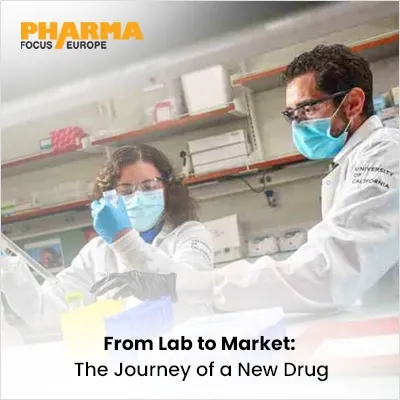
From Lab to Market: The Journey of a New Drug
Sarah Richards, Editorial Team, Pharma Focus Europe
The article "From Lab to Market: The ‘The Journey of a New Drug’ is an account of stages of new drug development process which includes identification of the drug, testing, clinical trial, obtaining an approval and the new drug assessment after the marketing. It is centered on the many processes that are performed with a view of ensuring the security and efficacy of newly synthesized compounds.
Introduction:
The process of synthesizing a new drug takes many years and several phases, and all of them are important for the drug, safety, and efficacy. Which from the first identification in a lab to the final approval of use by the public, is a process that takes over 10 years; and this involves work done by scientists, various agencies, and other health care givers.
1. Drug Discovery and Initial Research
The new drug process starts development in the research department of the pharma firm, university or biotechnology company. Researchers choose a molecule that may be a protein or a gene that is involved in the disease. They then look for other compounds, which would have an affinity to this target so that it changed its activity.
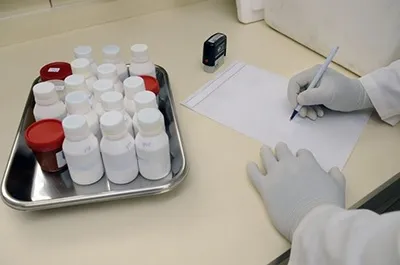
The first phase is referred to as the drug discovery phase and takes more time of the process; it involves the use of computers to simulate the chemical reactions, tissue cultures, and animal tests. Many thousands of compounds might be tested at this stage but only a few will emerge as suitable for further study.
2. Preclinical Testing
The process of drug discovery usually entails identification of a compound of interest and then the drug undergoes a process of empirical testing to evaluate both the toxicity of the drug as well as levels of efficacy. This include on animals for instance the effects in an animal body and the action and toxicity of the drug and negative effects in the body.
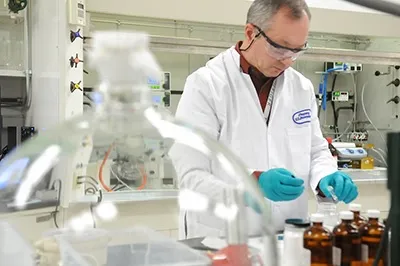
The intent is to accumulate a large enough sample to make a decision whether the substance is safe enough to try on live subjects. The preclinical test may last for up to several years and at this stage many drug candidates are dumped for safety reasons.
3. Clinical Trials: Testing in Humans
If a drug candidate passes preclinical testing, it moves on to clinical trials, which are conducted in three phases:
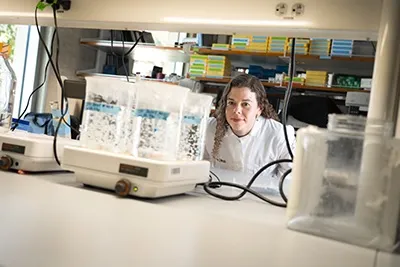
- Phase I: This is usually conducted on a small population of healthy individuals (from twenty to hundred) in other to assess safety, effectiveness and the level of toxicity. In this phase, more emphasis was given upon the elimination or the metabolites of the drug from the body system.
- Phase II: This is practiced among the many patients (between one hundred and three hundred) diagnosed with the disease for which the drug is developed to cure. This phase aims at ascertaining whether the drug is useful in treating a specific illness or disease other than ascertaining the other uses of the specific drug. Researches track the effectiveness of the drug and are not restricted to the analysis of the consequences.
- Phase III: In this phase it is used in such a significantly higher number of patients (1000-3000) to confirm the effectiveness of the agent and to recognize some unwanted effects and to determine the relation of the agent to the extant treatments. Trials in the third phase are done in multiple centres and the entire process can take a couple of years. This is the data that is helpful when seeking the nod from the regulatory agencies at this stage.
4. Regulatory Review and Approval
If the clinical studies are on smooth and if the drug developer is planning to sell the product, he files New Drug Application (NDA) or, Biologics License Application with departments like US FDA or EMA.
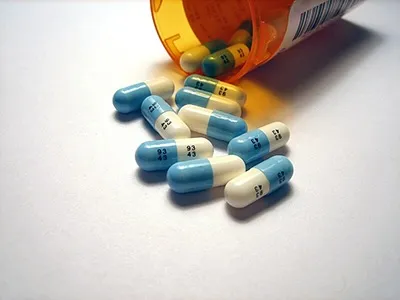
Basic information is all the data generated in preclinical and clinical studies of the product, information about how the medicine is made, how the product is named and how it is intended to be used. Regulatory agencies take it further to attempt to decipher the data in order to be absolutely sure that the drug is safe and effective and to determine if it is produced as manually as possible. Such a review process may take a period of between few months and few years depending with the specific drug and the criticality of the drug in the market.
5. Manufacturing and Quality Control
In its life cycle, it goes through the mass production or large scale production in its commercial scale once approved. This stage is the process of inspecting, reviewing and confirming that the drug is manufactured in the correct manner, the process that ensures that the various lots of the drug are of the correct quality.
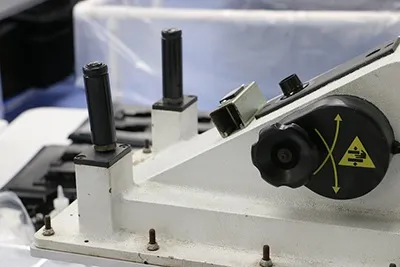
The drug firms have invested large proportions of their capital in issues of quality assurance because the final product that is being made available to the consumers is not tainted, has the right proportion and is of the right shelf life. The manufacturing of the products is closely supervised by the relevant authorities to ensure better quality is achieved.
6. Post-Market Surveillance
What happens next to a drug is still a process, even if it is available in the market and is FDA-approved. Nonetheless, the drug is subjected to post-market observation to determine its safety and efficacy in the long run.
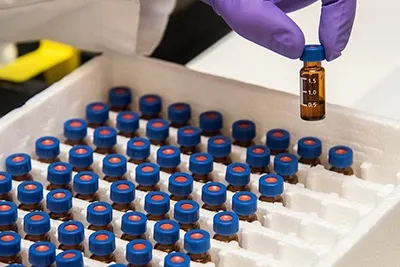
Often referred to as Phase IV, this phase comprises post-marketing surveillance and data collection from health care personnel and patients. In cases where new risks have been identified, the regulatory agencies are able to make changes, for instance, with regard to the labels or the usage of the device.
7. Challenges and Future Directions
Creating a new product sometimes may take a long period, cost a lot of funds, and even fail in the process, from the laboratory to the market. Nevertheless, new technologies, including artificial intelligence and precision medicine, are assisting to reduce the time taken in the course of developing drugs. All these innovations bring light to the possibilities of making drug development faster and more efficient and therefore getting new treatment to patient in the shortest time possible.
In conclusion, it could be said that the process of a new drug from the lab to the market is the combination of the work of scientists, invention, testing, and multiple layers of safety regulations. Every of those steps is critical for assuring that the drugs we use contain what we want them to contain, work for the intended purpose, and is accessible to the population.

Sarah Richards, Editorial Team at Pharma Focus Europe, leverages her extensive background in pharmaceutical communication to craft insightful and accessible content. With a passion for translating complex pharmaceutical concepts, Sarah contributes to the team's mission of delivering up-to-date and impactful information to the global Pharmaceutical community.