Emerging Therapies in Oncology: Advances beyond Traditional Chemotherapy
Sarah Richards, Editorial Team, Pharma Focus Europe
Chemotherapy as a method has been used together with radiation in treating cancer for many years but is associated with some drawbacks. Targeted therapy, immunotherapy, hormone therapy and precision medicine are some of the advanced treatment kinds which are individualized and less toxic. Such advancements mean better results coupled with fewer of the dreaded grievances; an obvious and easily recognizable evolution in cancer management.
Introduction:
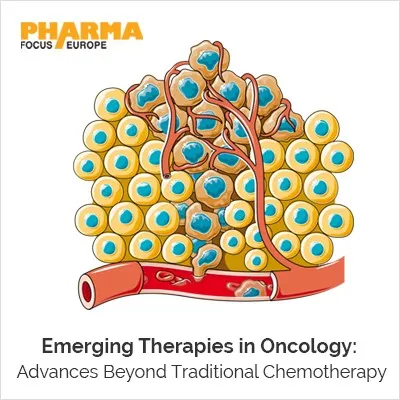
Cancer formerly, was treated by traditional chemotherapy which is a process that employs the use of powerful drugs to eliminate spreading cancer cells. Chemotherapy has been a standard for cancer treatment but it has setbacks and impacts patients in other ways. At this epoch, oncology together with other branches of medicine is gradually experiencing a reinvention with the help of innovations in the treatment processes. Some of the new therapies that are relatively popular at the time when the information was being written includes targeted therapy, immunotherapy hormonal therapy, and precision medicine. This article aims at discussing these modern treatment procedures and how they are influencing the delivery of cancer care treatment.
1. Targeted Therapy
What is Targeted Therapy?
Targeted therapy employs drugs that are intended to work on cancer cells only given the fact that they have distinguishing properties.
As compared to chemotherapy, targeted therapies have been developed to consider killing only cancer cells selectively and not any dividing cell as a whole.
How Does It Work?
Targeted therapy acts as a way to block several biochemicals that are known to facilitate the development of tumor cells. These drugs may prevent cells that imply the cancerous cells to multiply or stop the formation of new blood vessels that feed the cancer cells or even kill the cancer cells.
Types of Targeted Therapies:
- Monoclonal Antibodies:
These are artificially synthesized compounds that has the ability to come in contact with definite receptors on the skin of cancer cells to be later annihilated by the immune system. For instance, trastuzumab or Herceptin is applicable in breast cancer that has HER2 positive cells.
- Tyrosine Kinase Inhibitors:
These drugs prevent formation of substances that assist the tumor to proliferate and multiply.
It is also effective on chronic myeloid leukemia with prevention of an enzyme that forms cancer cells; the drug name is Imatinib (Gleevec).
2. Immunotherapy
What is Immunotherapy?
Immunotherapy is treatment that has the desire of empowering the immune system of the body to be able to discern the cancer cells hence eradicating the same.
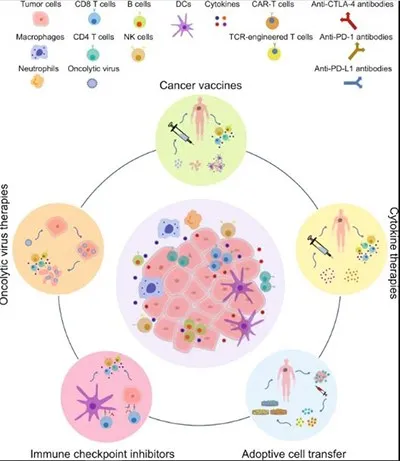
This approach utilizes the immunity system and is considered productive, most importantly against certain forms of cancer.
How Does It Work?
Immunotherapy can work in several ways:
- Checkpoint Inhibitors: The checkpoint inhibitors inhibit proteins that prevents other immune cells from going after cancer cells. For instance, Keytruda a brand name for pembrolizumab, and Opdivo which is a brand name for nivolumab, are part of check-point inhibitor category that has been identified to be effective in managing different types of cancer.
- CAR-T Cell Therapy: It involves fundamental change of a patient’s T cells, which is a special type of immune cells, to enable it to have more affinity for the cancer cells. This product is then harvested, purified, and after a while returned back to the patient’s body, this is a complex method. In some form, the therapy has offered some dregs of hope to some blood cancers.
3. Hormone Therapy
What is Hormone Therapy?
Hormone treatment is often used when the cancer is oestrogen or androgen sensitive especially in the form of breast and prostate cancer.
The one employed by them is hormone antagonism that is either reduction of the body’s hormones or by blocking the impact of such hormones on the cancerous cells.
How Does It Work?
Hormone therapy can:
- Block Hormone Production: For instance, letrozole (Femara) that belongs to the aromatase inhibitors class decreases estrogen concentration to postmenopausal women; this in turn has an impact on the growth of breast cancer that is hormone-sensitive.
- Block Hormone Receptors: Tamoxifen and other drugs that belong to this family refrain from allowing estrogen to bind to the cancer cells since they bind to these receptors.
4. Precision Medicine
What is Precision Medicine?
Precision medicine implies a treatment strategy that focuses on the specific features of the particular type of cancer in patients.
This approach labels the illness based on the genetic makeup, environment and lifestyle factors of the patient in order to develop prevention and control measures.
How Does It Work?
Precision medicine involves:
- Genomic Testing: The genetic structure is studied in a patient’s tumor, and the data obtained allows for the detection of specific targets that can be addressed. For instance, the mutations in the BRCA1 or BRCA2 gene show the right therapy approach to take with breast cancer patients.
- Customized Treatment Plans: Genomic testing allows doctors to select the treatments that may prove effective in a particular patient rather than choosing a therapy that might work for the whole group of patients.
5. Emerging Therapies
Future Directions in Oncology:
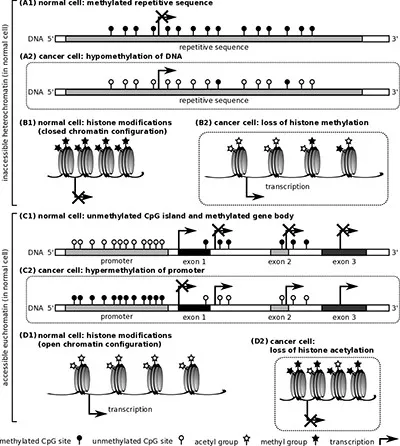
- Epigenetic Therapy: Focuses on the modifications of gene expression due to epigenetic modifications rather the modification of the sequence of nucleotides.
- Oncolytic Virus Therapy: A type of virus that in a sense targets and kills cancerous cell while not affecting any normal cell.
- Tumor Microenvironment Modulation: Its emphasis is on changing the features of the tumor microenvironment to the state that is unfavorable for cancer development.
Conclusion
Currently, the application of oncology is becoming more progressive as compared to the traditional method of chemotherapy due to the availability of new methods to treat the disease. Targeted therapy - immunotherapy, hormone therapy and precision medicine are the examples of the new approaches in cancers therapy that is based on specifics in the cancer cells and in the patients. The future of cancer treatment looks promising as more research is done and treatments are discovered; more accurate, efficient, and non-harmful treatments will be advanced hence resulting to better results and good quality of life for the cancer patients.

Sarah Richards, Editorial Team at Pharma Focus Europe, leverages her extensive background in pharmaceutical communication to craft insightful and accessible content. With a passion for translating complex pharmaceutical concepts, Sarah contributes to the team's mission of delivering up-to-date and impactful information to the global Pharmaceutical community.