Unlocking New Therapies: How Generative AI Enhances Drug Discovery
Kate Williamson, Editorial Team, Pharma Focus Europe
The age of Generative AI is a major shift in drug discovery through speeding up development and improving the efficiency. This article is going to provide us with a critical analysis of how Generative AI is changing the biotech industry, discussing technologies, applications, challenges, as well as the new options developed, which were never seen in the past. It even feels like the faster and more effective therapeutic advancements are on the horizon where new diseases are planned for and cures for old ones are rapid.
Introduction:
Drug discovery is a highly complex process that used to be very time-consuming (a decade or more for the entire project). However, Generative AI or Artificial Intelligence has brought significant shifts in the sector which promise faster healing and better recovery. This article approaches the issue of how Generative AI is revolutionizing the lengthy drug discovery process, the elements of the present technology, the ongoing race with the significant difficulties, as well as the prospects.
Understanding Generative AI
Generative AI refers to AI systems that can produce new data response, be it image, music, text or in this case molecules to be synthesized. In contrast to the previous approaches to AI that operate the way a set of rules and training data tell them to, generative models learn patterns and structures in data in order to generate output. Key technologies driving Generative AI in drug discovery include:
Deep Learning: The feature of utilizing a number of layers of neural networks for analysis of the different types of the data.
Reinforcement Learning: Models, as they seek for the optimal actions, can test the chemical space and thus are useful when the chemical space is large.
Generative Adversarial Networks (GANs): Organized into two neural networks: generator and discriminator with the ability to generate of highly realistic data.
Variational Autoencoders (VAEs): Pre-transform data into a space where new data can be created to assist in generating more compounds.
The Role of Generative AI in Drug Discovery
Among the possible application areas of generative AI in drug discovery, it is possible to name the identification of compounds and active pharmaceutical ingredients and preclinical. Here are key areas where it is making a significant difference:
1. Target Identification and Validation
In more detail, AI systems scan gigabytes of biological data in order to find out the potential drug targets – molecules, mostly proteins or genes, associated with the given diseases.
With generative AI, one would be able to predict the consequences of targeting these molecules and hasten the verification.
2. Compound Generation and Optimization
Regarding generative AI, the identification of novel candidates for a disease type with the desired activity, selectivity, or another parameter that is unimaginable for the human brain in the current chemical space can be offered. These are then optimized through machine learning for them to exhibit the best drug like characteristics and minimal side effects.
3. Predicting Drug-Target Interactions
By using these AI models AI’s can predict the probable reactivity of a vast array of compounds with target proteins and as a result which should be pursued.
4. Synthesis Pathway Prediction
Regarding the fact, certain of the pathways developed by AI cost less and are safer to the environment as compared to traditional ones.
5. Biomarker Discovery
The clinical and omics data helps AI discover biomarkers which can be additional tests that depict how a disease will progress and to the treatments.
This helps in formulating the right approach that should be used in the categorization of the particular patient.
Current Applications and Success Stories
Currently, many pharmaceutical companies and research institutions operate to incorporate and use Generative AI in their drug development applications. Notable examples include:

a. Insilico Medicine: Utilized GANs to narrow down the search for potential drugs for fibrosis in the shortest time possible. The compound that they have designed with the help of AI entered the pre-clinical stage within 18 months.
b. Atomwise: Its algorithm improves the drug-target prediction via the accurate computation of drug-likeness scores for fast identification new chemical entities for diseases ranging from Ebola to multiple sclerosis.
c. BenevolentAI: Aim at using AI with large biomedical databases to find new therapeutic targets/ drug candidates, which have achieved success in neurodegenerative diseases and rare Cancers.
Challenges and Ethical Considerations
Despite its potential, the integration of Generative AI in drug discovery faces several challenges:
1. Data Quality and Availability
Sources of data for training AI systems should be high quality, various, and containing large amounts of information. However, such data is often scarce or not readily available due to personal sensitive information of patients.
This is a problem that needs to be solved through the process of sharing common data among different institutions.
2. Model Interpretability
Relation for regulation means that it is important to understand how an AI model makes a prediction in order to get acceptance in the scientific world.
The application of clear AI systems that enable people to understand the thinking pattern of such systems is still a challenge.
3. Regulatory Hurdles
As for the regulation of AI in drug discovery specifically, there is still a lot of uncertainty and emergence of new rules and acts. Some compounds created by the AI have to go through the standard of safety and efficacy before they can be used, so the responsibility of developing safe AI lies with the creator of the AI, the drug manufacturing, and government organizations.
4. Ethical Considerations
By applying AI in health care several ethical dilemmas arise such as data privacy, informed consent as well as issues on bias-resulting health decisions.
It is therefore important to set ethics and good governance principles to deal with these issues.
Future Prospects
The future for generative AI in drug discovery is bright and there are current developments that are expected to enhance and boost the process in the future. Key trends to watch include:
a. Integration with Other Technologies
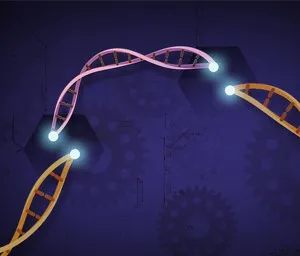
When incorporated with other emerging technologies like quantum computing and CRISPR in drug development then generative AI holds a lot of potential.
For instance, whereas quantum computing improves the simulation of the behavior of molecules to boost various industries, CRISPR can verify the targets created by an AI by surgically knocking in genes.
b. Personalized Medicine
The generative AI is highly useful in developing targeted treatments that are related to a patient’s genetic and clinical makeup.
Biomarker identification using AI, and sub-grouping of patients will form the bases on which individualized treatments will be based upon.
c. Collaborative Research Models
Technology hubs that aspect various stakeholders, including the pharmaceutical firms, academic institutions as well as AI specialists, can assist in the sharing of the data for faster development.
Such collaborations like the COVID-19 Moonshot project that applied open science and AI towards the identification of new antiviral compounds are useful.
Conclusion
The generative AI models have made a tremendous impact in the drug discovery field and provided a vast opportunity to bring significant improvements in patients’ therapy. Nevertheless, there is still a long way to go, but the development of the AI technologies, together with cooperation and vision for the ethical use of AI and collaboration, gives hope for the new age of pharmaceuticals. With advancements in Generative AI it is believed that further horizons in discovery of new drugs will open to give solace to millions of patients all over the world.
.webp)
Kate, Editorial Team at Pharma Focus Europe, leverages her extensive background in pharmaceutical communication to craft insightful and accessible content. With a passion for translating complex pharmaceutical concepts, Kate contributes to the team's mission of delivering up-to-date and impactful information to the global Pharmaceutical community.