
Introduction:
Genomic editing is at the cutting edge of a revolutionary period in medicine especially in the drug industry. Genomic editing has been nominated by some to be one of the most dangerous technologies given the potential allowed by such tools as CRISPR (Clustered Regularly Interspaced Short Palindromic Repeats) - Cas9, Transcription activator-like effector nucleases (TALENs) as well as many others. This precision has created possibility to treat genetic disorder, initiate customized treatments and search for cure of diseases that were untreatable.
Using genomic editing for therapeutic applications: This article quite appropriately discusses the current trends, challenges and opportunities, advances and the various ethical issues relevant in the field and which presents useful knowledge for the concerned stakeholders in the pharma industry.
The Basics of Genomic Editing
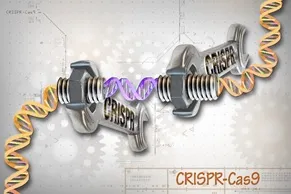
Genomic editing is a process of on purpose modification of DNA sequences in the organism’s genome. This technology involves using engineered nucleases like CRISPR-associated protein 9 (Cas9) – otherwise known as the molecular scissors for DNA. After this cut, repair mechanisms in the cellular level put changes – insertion, deletion, or substitution of genetic material.
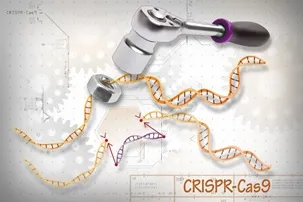
CRISPR has turned out to be the most commonly used tool for modifying the genome due to multiple factors such as its ease of use, cheap cost and accuracy. Other technologies includes zinc-finger nucleases (ZFNs) and TALENs also form part of this greater list making it easier for pharmaceutical researchers to choose from depending on the job to be done.
Real-World Case Studies: Success Stories in Genomic Editing
The governing effect of genomic editing is quite emerging scientifically and clinically. Casgevy is the first CRISPR-based gene editing as a therapy for blood disorders such as sickle cell disease and transfusion dependent beta thalassemia and in December 2023 US FDA approved for its use.
This revolutionary treatment restores the creation of fetal hemoglobin in a patient’s blood-producing stem cells, resulting in lesser or no symptoms and replacing the lifelong treatment approach to the diseases.
Moreover, several clinical trials have implicated success in relation to the application of the CRISPR technology to fix mutations of the CFTR gene for cystic fibrosis and the dystrophin gene for Duchenne muscular dystrophy afford the suffering millions a real hope.

RNA Bridge Technology
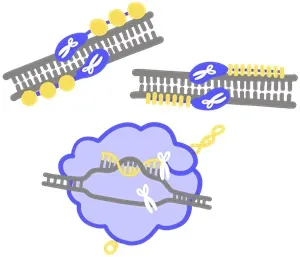
A newly designed technique known as the RNA bridge method by researchers at the Arc Institute ensures that without nicking DNA strands genetic modifications can be made. Thus, while DNA is cut RNA provides enzymes (recombinases) with targets and directions for genetic manipulation. This innovation reduces side effects and presents a systematic approach to altering genomes in vivo and, therefore, could greatly advance pharmaceutical research and development.
Prime Editing and Base Editing
The next-generation CRISPR methods are prime editing and base editing. Prime editing works make precise gene decisions without causing double-stranded interruptions in a genome, helping researchers to achieve goals. While "base editing,” makes it possible to carry out single-base substitution which are single-nucleotide changes. These methods have increased the utility of CRISPR system by facilitating the expression of site specific corrections, which are more common in these genetic diseases.
Pharmaceutical Applications: Real-World Impacts
Gene Therapies for Rare Diseases
Genomic editing has brought a change to the generation of therapies for rare hereditary diseases. Huntington’s disease, cystic fibrosis, and Duchenne muscular dystrophy are examples of diseases, which should now be considered for gene therapy. Where traditional treatments are ineffective, the very genetic abnormalities that cause these diseases form the target of CRISPR-sourced interventions that may bring solace to millions.
Oncology
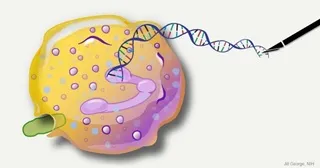
There has also been a genomic edition revolution in cancer therapy. T-cells can be adapted to carry out immunotherapeutic attacks selective for cancerous cells; this process involves cutting and pasting genes into T-cell receptors, or modifying chimeric antigen receptor (CAR)-T cells. Extensive editing of genomes is already leading to drugs that can cure diseases with less harm than normal chemotherapy.
Infectious Diseases
Organisms, for example, HIV, hepatitis B virus (HBV), or recently- SARS-CoV-2 can potentially become subject to genomic editing.
For instance, CRISPR-Cas13 of RNA specificity conceals possibilities for antiviral treatment. Also, genomic editing can be employed to develop resistant crop varieties or cattle, and through these vehicles enhance human health.
The Role of AI in Genomic Medicine
Artificial intelligence (AI) is also improving the ability of genomic editing. Big data and AI interfaces such as Google’s AlphaFold Protein Structure Dataset are shortening the time for finding disease-inducing mutations through protein structure modeling with high levels of precision. The design of CRISPR elements is also enhanced by machine learning algorithms with the purpose of reducing off-target activities and enhancing the ratio of well-executed tasks. The confluence of the AI and genomic editing approaches enhances the speed and accuracy of drugs’ development.
Ethical Considerations: Addressing Key Challenges
As with any groundbreaking technology, genomic editing raises profound ethical questions:
Heritable Genetic Modifications
On one hand, somatic cell editing has great therapeutic potential, on the other hand germline cells which have the potential to be inherited by the next generation raises a lot of ethical issues. The idea of designing a baby or perpetuating the prejudice in society cannot be entertained and requires stringent policy measures and a good deal of openness.
Unintended Consequences
This is where you get arise of off-target effects. Unintended edits would mean a new generation and some the opened mutations that could cause some health complications. Pharmaceutical firms and federal bodies should undertake concrete measures of testing before being applied clinically.
Accessibility and Affordability
The problem with modern technologies is that the prices for employing them are abnormally high, so they are rather expensive even for genomic therapies, which means that the marginalized groups in society may not be able to afford the procedures. The provision of such valuable treatments has to be made fairly thus becoming one of the most important ethical responsibilities for the industry.
Legal Concerns While Using Genome Editing
Now that functional genomics technologies like CRISPR-Cas9 are now transforming medicine, the following issues of ethics and law surface. Some of the biggest problems include the possibility of making what is considered ‘designer babies,’ where a parent could decide what kind of child they wanted to have. Somatic cell editing has treatment or cure implications, whereas germline editing which involves genetically altering the genes inherited by future generations is highly contentious.
There are still legal reforms existing around genetic engineering. Most countries have developed codes or laws to reign in genetic manipulation, but there is no consensus on the ethical codes. Thus, the application of the use of genome editing for therapeutic purposes such as eradication of genetic disorders is acceptable while the application for scientific experiments on human embryos remains controversial. And, there is always a question about how to encourage scientific progress while keeping certain potential misuses from violating people’s rights. The matter of genome editing is going to be a highly legalized issue in relation to the independence and privacy of patients while at the same time at the same time as the advancement of therapy is encouraged.
Another significant problem is to guarantee the availability of these technologies is another major challenge. This brings the issue of inadequacy of the expensive process of genome editing that comes up in making it available to underprivileged group of people hence leading to inequality in healthcare. These gaps have to be closed by the law since it is apparent that equal distribution of valuable and essential treatments is not consistent.
Limitations of CRISPR-Cas9 in Genome Editing
The possibilities of using CRISPR-Cas9 are impossible without its drawbacks. Some of the issues worth evaluating concerning this technology include the following - with this technology in mind, one major consideration is precision in the process. One of the most well-known problems with the CRISPR system is that of off-targeting, whereby other regions of the DNA are modified, even when the scientist is targeting a specific part of the DNA. Such changes may end up serving other purposes which include triggering other genes or in the formation of negative mutations that explain the many health issues a person may face in future.
Another limitation is delivering of interventions with higher efficiency. CRISPR-Cas9 system necessitates the efficient transfection of the Cas-9 endonuclease and the guide RNA accomplish the specific cells. Available examples of delivery systems including; viral vectors and nanoparticles are either less efficient and may provoke an immune response thereby restricting the efficiency of treatments.
However, CRISPR-Cas9 works well only for a specific type of cells, for instance, embryonic cells or blood cells, while neuronal or muscular cells present a higher problem. It is still a relatively new area and even now, scientists actively struggle with these technical challenges.
Last of all, people have some concerns about using CRISPR-based therapies, their efficiency as well as possible consequences that may appear in distant future. This technology is still relatively young, and the long-term effect of this technology has not been well established or the long-term side effects of this technology. Germline editing brings other concerns related to long-term effects, as these contributions are still unknown, and those are the essences we are talking about in this article. However, there are some concerns; the off target and on-target effects are serious issues that cannot be denied today; besides the delivery of Cas9 into cells is not that easy as it seems; but the recent development in the CRISPR technology, namely prime editing and base editing may eliminate some of the present day concerns regarding CRISPR-Cas9.
Despite these limitations, advancements in CRISPR technology, such as prime editing and base editing, are promising and may help overcome some of the current challenges associated with CRISPR-Cas9.
Market Trends and Forecasts: Opportunities and Growth
Market Growth
The worldwide market on genomic editing is expected to rise from US$6.3 billion in 2023 to US$19.2 billion in 2030 indicating a CAGR of 17.5%. There are two key factors such as high growth rate of CRISPR based systems along with rising venture in gene therapy.
Strategic Collaborations
Ventures between bio-tech, biotech start-ups, academic institutions, and large pharmaceutical players are turning knowledge into actionable innovation at a faster rate than ever before. Such partnerships, as Intellia Therapeutics and Regeneron Pharmaceuticals, are vital to collaborate as long as genomic editing technologies are being developed.
There is increasing interest in funding gene editing and therapies, which creates great business prospects.
Regulatory Landscape
The approval of therapies such as Casgevy also defines the general path to the regulation of other genome-based treatments. However, having different regulatory jurisdictions in different parts creates the problem of regulatory sovereignty. Current and future needs require businesses to deal with a web of rules and regulation on how they might approach the expansion of genomic therapies.
Future Directions: What’s Next for Genomic Editing?
Epigenome Editing: Beyond DNA
Epigenome editing, a technique of gene regulation in which the sequence of DNA remains the same but its regulation can be changed, is the current area of investigation by the researchers.
This approach could culminate in the cure of illnesses such as depression, Alzheimer’s disease and cardiovascular diseases among others, a different level of genomic editing.
Universal Donor Cells: A New Frontier in Regenerative Medicine
Another future focus includes transgenic universal donor cells – engineered cells that can be transplanted into any patient without triggering an immune response of the recipient’s body. These cells have a wide utility especially in regenerative medicine and transplantation which would make; organ transplants and cell therapies available.

CRISPR 3.0: Overcoming Current Challenges
The fourth generation of CRISPR technology is commonly known as CRISPR 3.0, which targets the issues that persists currently including delivery and off target effects. Breakthroughs in lipid nanoparticles and/or viral vectors are due for enhancements to reliably increase the safety and efficacy of transfecting genomic editors to the right tissues.
Conclusion: A New Era of Medicine
Genomic editing is not just an instrument; it is a new philosophical concept to the pharma business of illness remedy and prevention. As we see technology advancing from CRISPR to other fancy terms, the capability of changing people’s lives increases greatly. But in order to realize such potential, there are issues of ethics, fairness and partnerships that need to be addressed in the industry.
Introducing genomic editing for the year 2040, one can only imagine how far it is going to go, and how it is going to solve many of mankind’s genetic problems eliminating or developing new regenerative therapies and even rivaling age explanations. Researchers believe that the growth of the nanoparticle platform in delivering these instruments will make gene therapies more accurate and effective for diseases with more significant impacts, such as neurodegenerative diseases and aging disorders. The integration of real-time AI-guided genomic platforms may further accelerate breakthroughs, making personalized therapies a standard practice in healthcare.
For pharmaceutical companies, genomic editing offers a gateway to innovation, but with it comes the responsibility to navigate uncharted territories thoughtfully. By balancing scientific ambition with ethical stewardship, the industry can harness the full power of genomic editing to redefine the future of medicine.